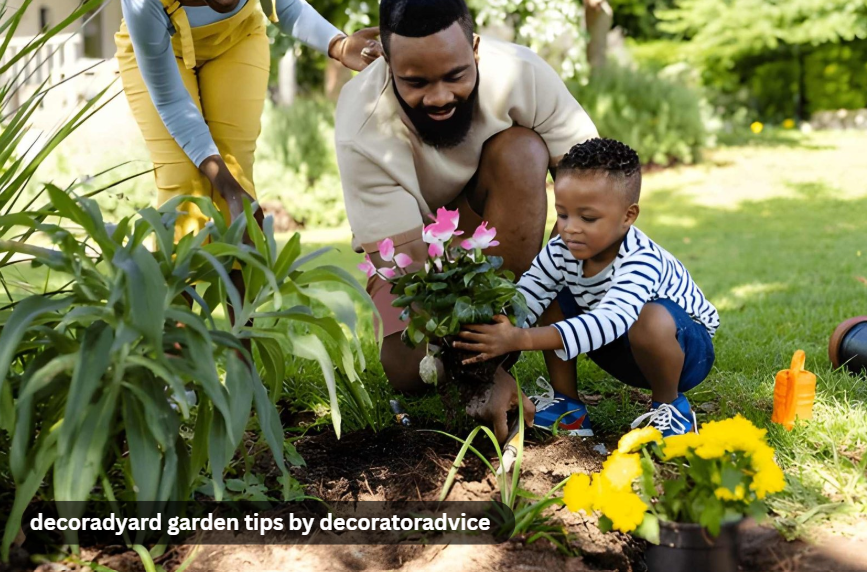
Decoradyard garden tips by decoratoradvice : Avoid These 8 Common First-Time Gardener Mistakes
Your first decoradyard garden tips teaches you more than any guide ever will, usually the hard way. You buy a tomato plant in April, plant it in the shadiest corner of the yard because that’s where there was room, water it every day because you’re nervous, and by July you’re wondering why it’s four inches tall and yellow. That’s not bad luck. That’s a pattern, and it’s one nearly every beginner repeats.
First-time gardener mistakes aren’t really about a lack of a green thumb. They’re about skipping a handful of decisions that seem minor in March and become expensive in August. This guide walks through the eight mistakes that show up most often in beginner gardens across the U.S., why each one happens, and what to do instead. It pulls from the same decoradyard garden tips framework we use across our yard and outdoor living coverage, so the fixes here work whether you’re planting a single raised bed or reworking a whole backyard. You’ll also find a quick-reference table for fixing problems on the spot, plus a frost-date table to help you plan around your actual growing season instead of guessing.
1. Skipping the Soil Test
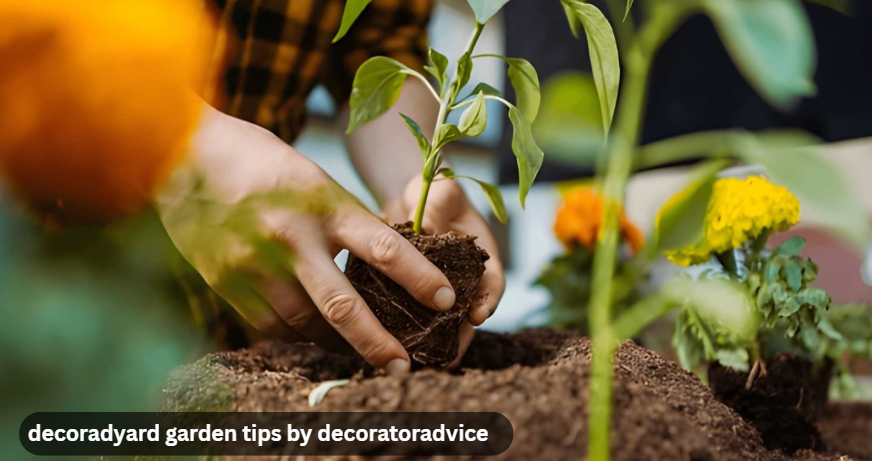
Most new gardeners buy plants before they know anything about the dirt those plants are going into. Soil can be too acidic, too alkaline, compacted, or nearly depleted of nutrients, and none of that is visible from the surface. A $15 home soil test kit, or a free test through your county extension office, tells you exactly what you’re working with before you spend money on plants that were never going to thrive there.
2. Planting for Today’s Size, Not Mature Size
That six-inch hydrangea in the nursery pot will be five feet wide in three years. Beginners routinely space plants based on how they look on planting day, then spend the next two summers untangling a jungle or, worse, ripping out perfectly healthy plants because they “grew too big.” Look up mature spread before you dig, not after.
3. Ignoring Your Frost Dates and Hardiness Zone
Planting tender annuals two weeks before the last frost is one of the most common first-time gardener mistakes, and it’s an easy one to avoid. Your USDA hardiness zone and local frost dates determine what survives and what doesn’t, and they vary enormously across the country.
| Region | Last Spring Frost | First Fall Frost | Typical Zone |
| Northeast (Boston, MA) | Mid-April | Mid-October | 6a–6b |
| Midwest (Chicago, IL) | Late April | Mid-October | 5b–6a |
| South (Atlanta, GA) | Late March | Early November | 7b–8a |
| Southwest (Phoenix, AZ) | Mid-February | Early December | 9b–10a |
| Pacific Northwest (Seattle, WA) | Early April | Late October | 8b–9a |
These are averages, not guarantees. Check your exact ZIP code against the USDA plant hardiness map before you commit to a planting date.
4. Overwatering Out of Anxiety
More beginner plants die from too much water than too little. Wilting looks like thirst, so the instinct is to water more, but wilting is also what root rot looks like in its early stages. Before adding water, stick a finger two inches into the soil. If it’s still damp, leave it alone.
5. Buying Plants That Don’t Match Your Light
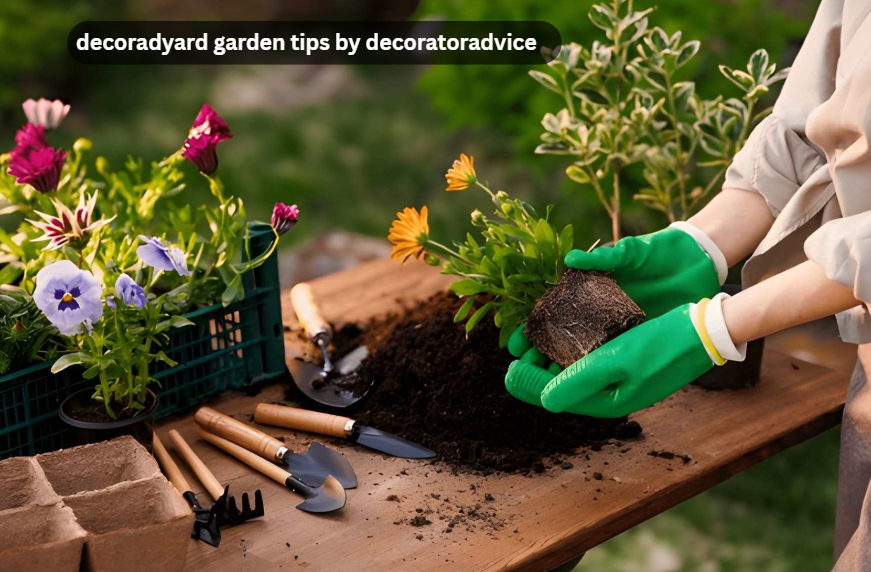
A plant tag that says “full sun” means six or more hours of direct light daily, not “gets kind of bright near the window” or “the yard looks sunny in June.” Track your actual light for a full day before choosing what goes where. This single step prevents a huge share of first-time gardener mistakes because it’s usually invisible until the plant is already struggling.
6. Skipping Mulch
Bare soil dries out fast, invites weeds, and swings in temperature more than mulched soil does. A two- to three-inch layer of mulch cuts watering frequency, blocks most weed seeds from germinating, and keeps roots at a steadier temperature. It’s one of the cheapest, least glamorous upgrades a new garden can get.
7. Over-Fertilizing
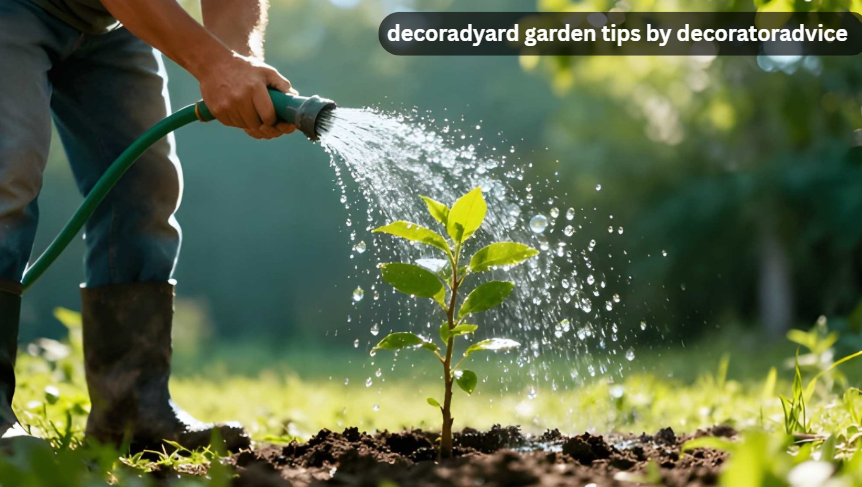
If a little fertilizer helps, more must help faster, right? Not with plants. Excess nitrogen pushes soft, leafy growth at the expense of roots and flowers, and it can actually burn plant tissue. Follow the label rate, not your instinct, and always water thoroughly after applying.
8. Not Keeping a Garden Journal
Beginners rarely track what they planted, where, or when, so they repeat the same guesswork every season instead of building on what actually worked. A simple notebook or phone note with planting dates, locations, and outcomes turns year two into a real improvement over year one instead of a reset.
Quick-Reference Fix Table
| Mistake | Why It Happens | Fast Fix |
| Skipping soil test | Assuming all dirt is the same | Test before buying plants |
| Wrong plant spacing | Judging by nursery-pot size | Research mature spread first |
| Ignoring frost dates | Excitement to plant early | Check your zone’s average last frost |
| Overwatering | Confusing wilt with thirst | Finger-test soil before watering |
| Mismatched light | Guessing instead of tracking sun | Observe light for a full day |
| No mulch | Seen as optional or cosmetic | Apply 2–3 inches around plants |
| Over-fertilizing | Assuming more equals faster growth | Follow label rate exactly |
| No garden journal | Not expecting to need the data later | Log dates, spots, and results |
More Decoradyard Garden Tips
If this is your first season with a yard, the same principles that apply to garden beds apply to the rest of the property. Our decoradyard garden tips series covers everything from patio layout to drainage fixes, so you’re not relearning these lessons one section of the yard at a time.
Decoradyard Garden Tips: The Short Version
Test your soil, check mature plant size, know your frost dates, water by feel instead of habit, match light to plant, mulch, fertilize by the label, and write it all down. Get those eight right and everything else in the yard gets easier.
Frequently Asked Questions
What is the most common first-time gardener mistake?
Overwatering is the single most common mistake, since anxious beginners water on a schedule rather than checking actual soil moisture, which drowns roots that were never thirsty in the first place.
How do I know my hardiness zone?
Enter your ZIP code into the USDA Plant Hardiness Zone Map online. It tells you the average minimum winter temperature for your area, which determines what can survive there year-round.
Should beginners start with seeds or nursery starts?
Nursery starts are more forgiving for a first garden since the plant has already survived its most fragile stage. Seeds are cheaper and offer more variety once you’re comfortable with the basics.
How often should a new garden actually be watered?
Most established garden beds need about one inch of water per week, including rainfall, rather than daily watering. Check soil moisture directly instead of watering on a fixed schedule.

1 comment