15 Creative Home Decor Ideas from decoratoradvice com That Actually Work
Your house shouldn’t feel like a showroom where no one resides; it should feel like you. But between Pinterest boards that require a contractor and Instagram rooms that need professional lighting to look good, it’s hard to find advice that actually translates to real life.
That’s exactly why decoratoradvice com has become a go-to resource for American homeowners who want smart, doable decorating ideas without blowing the budget or ripping out walls. Whether you’re renting a studio in Chicago or own a four-bedroom in the suburbs of Atlanta, the right decor moves can completely change how a space feels.
This article covers 15 creative home decor ideas — drawn from practical, tested guidance — that work across different styles, room sizes, and budgets. From lighting tricks that cost under $30 to furniture arrangements most people never think to try, these are the ideas that hold up once the mood board is closed and real life begins.
What Makes our blog Different from Typical Decor Blogs
Most decor content is written for aspirational spaces, not actual ones. Rooms with 14-foot ceilings, perfect natural light, and no kids or pets. The tips that come from our blog stand apart because they’re grounded in how American homes actually look and function — modest square footage, mixed furniture styles, and real budgets.
Here’s a quick breakdown of what separates advice that works from advice that just looks good on a website:
| Factor | Generic Decor Advice | Practical Decor Advice |
| Budget assumption | High-end products | Mixed budget options |
| Room type | Staged, ideal spaces | Real-world floor plans |
| Skill required | Often DIY-advanced | Beginner to intermediate |
| Longevity of style | Trend-dependent | Timeless with personal touches |
| Applicability | Renters excluded | Works for renters too |
15 Creative Home Decor Ideas That Actually Work

1. Layer Your Lighting — Don’t Rely on One Overhead Fixture
Overhead lighting alone flattens a room. Add a floor lamp, two table lamps, and one accent light (like a plug-in sconce or LED strip behind the TV). Suddenly your living room has depth. This single change makes spaces feel more expensive than any new furniture would.
2. Use Mirrors to Double Your Natural Light
A small space can appear twice as large with a strategically positioned mirror across from a window. Go large — a small mirror on the wrong wall does nothing. Solid wood-framed mirrors for less than $40 can be found in thrift stores and on Facebook Marketplace.
3. Anchor Every Seating Area with a Rug
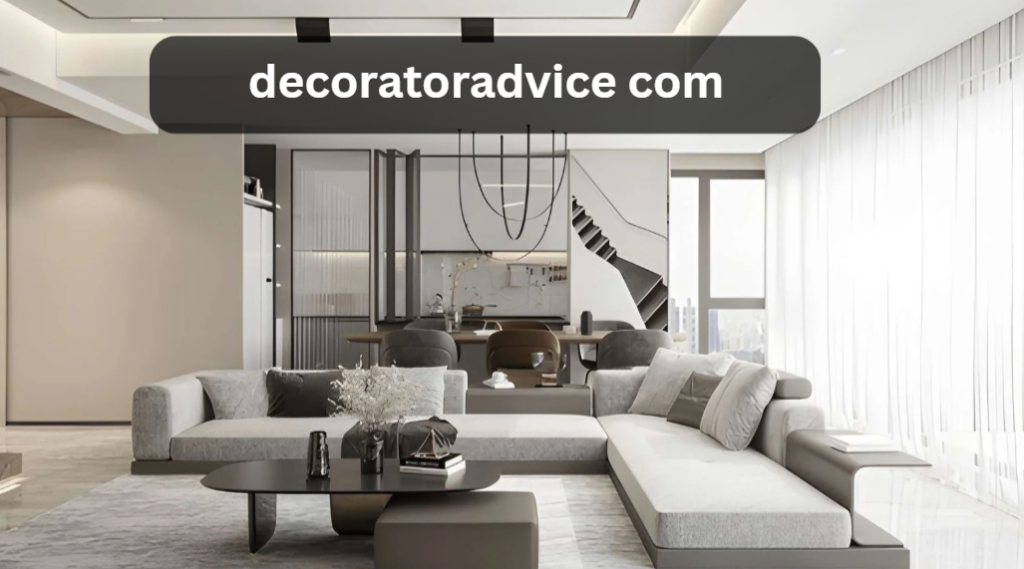
One of the most frequent decorating errors in American houses is floating furniture. A rug grounds the space and tells the eye where the “room” begins and ends. As a general rule, the front legs of your chairs and sofa should rest on the rug.
4. Paint One Wall, Not Four
Full room repaints are commitment. One bold or contrasting accent wall behind your bed or sofa gives you drama without the claustrophobia — and it’s reversible in a weekend if your taste changes.
5. Decorate in Odd Numbers
Three candles. Five vases. One statement plant. The human eye reads odd-numbered groupings as intentional and interesting. Even numbers feel corporate. This is one of those tiny rules from decoration tips decoradhouse that you notice everywhere once you know it.
6. Raise Your Curtains to the Ceiling
Hang curtain rods as close to the ceiling as possible, even if your window is mid-wall. It draws the eye up, makes ceilings feel taller, and makes windows feel larger. This costs nothing extra — you’re just moving the rod.
7. Bring One Unexpected Texture Into Every Room
Boucle, rattan, raw linen, weathered wood. Texture is what makes rooms feel layered rather than flat. If everything is smooth and shiny, the room looks like a hotel hallway. One rough or woven element changes the whole register.
8. Edit Ruthlessly — Less Is Actually More
Most rooms don’t need more stuff. They need less. A curated shelf with five meaningful objects beats a crowded one with thirty. Clearing visual clutter is free and it’s often the single biggest upgrade a room gets.
9. Use Plants as Architecture, Not Just Accessories
A tall fiddle-leaf fig or a trailing pothos on a high shelf does structural work in a room — it fills vertical space, adds organic color, and softens hard edges. According to our blog, indoor plants consistently rank among the highest-impact, lowest-cost decor additions in reader surveys.
10. Mix Metals — But Keep One Dominant
You don’t have to commit to all-brass or all-matte black. Mixing metals looks intentional as long as one finish dominates (about 70%) and the others appear as accents. Warm metals in the same room as cool ones add visual tension in the best way.
11. Frame What You Already Own
Instead of buying new art, frame fabric swatches, book pages, pressed leaves, or printed maps. A simple black frame elevates almost anything. A gallery wall of personal items tells your story better than generic prints from a big-box store ever could.
12. Take Your Outdoor Space Seriously
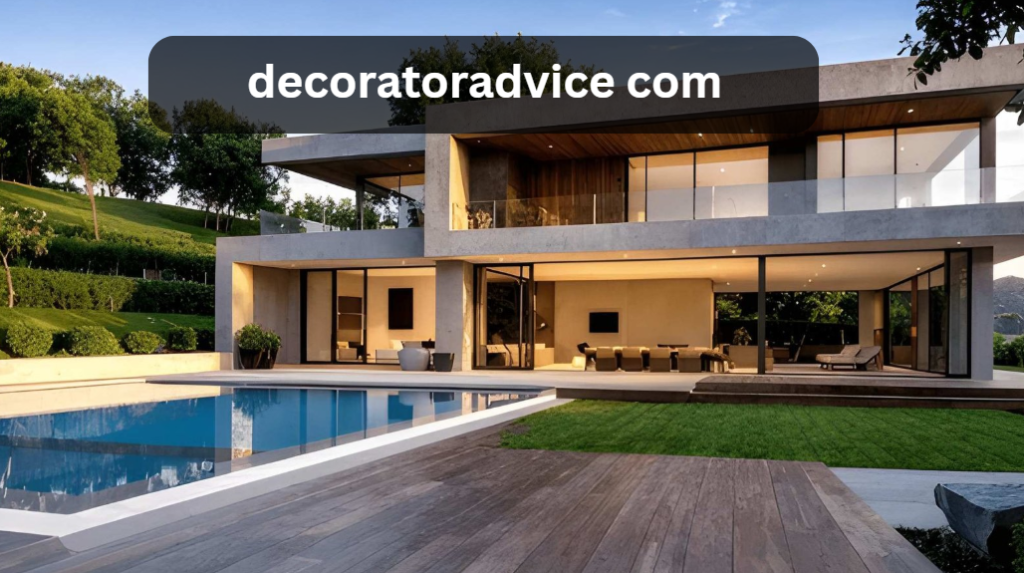
Most American homeowners underinvest in their outdoor areas. A defined seating area with a weather-resistant rug, two chairs, and string lights is a full room addition — without a building permit. The team at Decoradhouse garden tips covers this in depth, including low-maintenance plant selections by climate zone.
13. Use Bookshelves as Style Statements
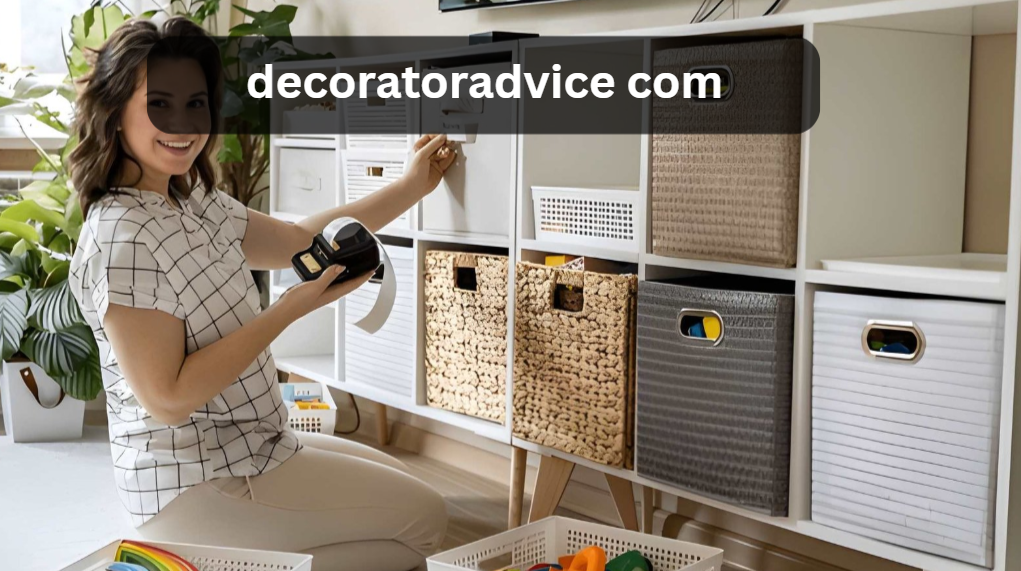
Stop stacking books spine-out and calling it done. Mix horizontal and vertical stacks. Add a small plant, a framed photo, a candle. Turn some books backward for a tonal, textural look. A well-styled bookshelf is one of the most personal things in a home.
14. Make Your Entryway Work Harder
The entryway sets the emotional tone for your whole home — and it’s the first thing guests see. A hook, a small tray for keys, one piece of art, and a plant or candle is all it takes. Don’t skip this space because it’s small.
15. Commit to One Design Principle Per Room
The most common decorating mistake isn’t a bad color choice or the wrong rug size. It’s trying to do too many things at once. Pick one principle per room — maybe it’s “maximize natural light” or “create a cozy, low-lit atmosphere” — and let every decision serve that one goal.
How Does we Approach Home Decor Differently?
Understanding the philosophy behind the advice helps you apply it better. Here’s a comparison of common decorating approaches:
| Approach | Focus | Best For |
| Magazine-style decorating | Visual drama, shoots | Aspirational reading |
| Minimalist design | Reduction, restraint | Small spaces, clean aesthetics |
| our method | Function + style balance | Real American homes, all budgets |
| DIY-first approach | Crafts, projects | Hands-on homeowners |
| Interior designer consultation | Full room vision | Renovation-level changes |
Frequently Asked Questions
What makes us different from other home decor websites?
The focus is on practical, tested ideas for real American homes — not staged photo shoots. The advice accounts for actual budgets, mixed furniture styles, and spaces that have to function daily.
How do I start decorating if I don’t know my style yet?
Start with what you already have. Edit the room down to only pieces you genuinely like, then identify what those pieces have in common. Your style emerges from that overlap — not from a quiz.
Can renters use these home decor ideas?
Yes. Most of the 15 ideas above require no drilling, no painting approval, and no permanent changes. Rugs, lighting, plants, textiles, and furniture arrangement are all renter-friendly.
What’s the highest-impact, lowest-cost home decor change?
Lighting, consistently. Swapping a harsh overhead bulb for warm-toned bulbs (2700K) and adding one floor lamp costs under $30 and changes the entire feel of a room.
Where can I learn more about the our blog’s approach?
The about us page covers the philosophy and background behind the site’s editorial approach in detail.
What Should You Actually Do First?
Pick one room. Pick one idea from this list. Do it this weekend.
That’s the honest answer. The decorating paralysis most people experience comes from trying to solve everything at once. The Latest content focuses heavily on this — building momentum with small, high-confidence changes rather than waiting for the “right time” to do a full overhaul.
A better-feeling home isn’t a renovation away. It’s usually one good decision away.And for more ideas grounded in how real homes actually work, — especially if you’re in the middle of figuring out a specific room or style challenge.