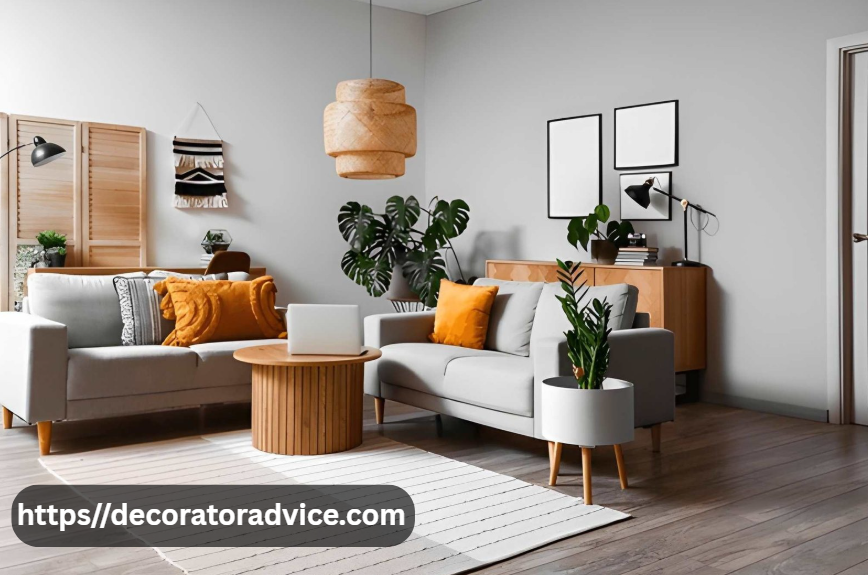
20 Modern Living Room Ideas from https//decoratoradvice.com
Your living room tells the story of how you live. In 2025, American homeowners want spaces that feel considered, comfortable, and genuinely theirs — not just decent-looking. Whether you have a compact apartment in Brooklyn or a wide-open floor plan in suburban Atlanta, the difference between a forgettable room and a great one comes down to a handful of deliberate choices.
Our Team has spent years studying what works in real US homes — not magazine photoshoots, but spaces where families eat takeout and dogs take up half the sofa. This article pulls together 20 modern living room ideas rooted in that expertise, covering layout, lighting, color, texture, and upgrades that deliver outsized results for every budget.
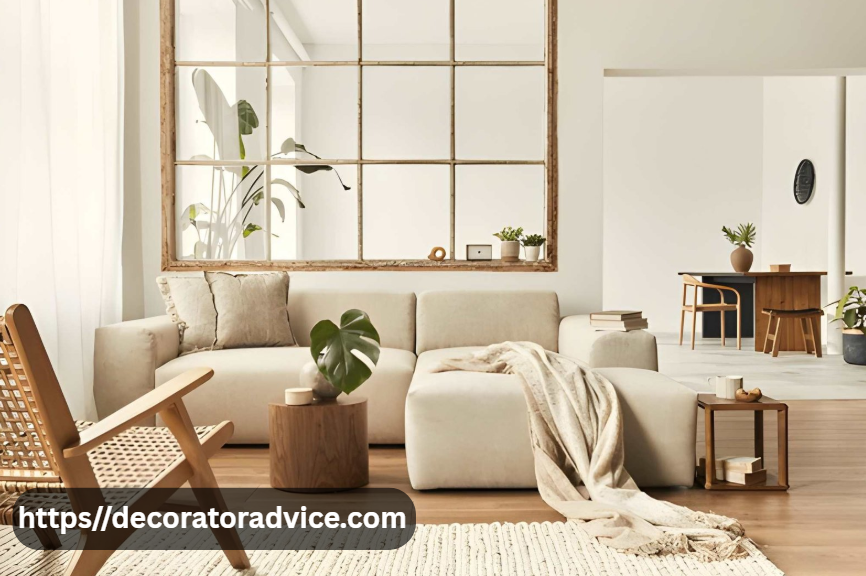
What Does our blog Say Makes a Living Room Truly Modern?
Modern design is not about stark white walls and furniture nobody sits on. It is about proportion, purpose, and coherence. The modern living rooms earning the most attention in US homes right now, according to latest insights, share three qualities: layered lighting, a color palette anchored by one deliberate accent, and furniture scaled correctly to the room.
| Design Element | What Modern Looks Like | Common Mistake |
| Color Palette | Warm neutrals with one bold accent | Too many competing colors |
| Furniture Scale | Proportional to room size | Oversized sofa in a small space |
| Lighting Plan | Ambient, task, and accent layers | Single overhead bulb only |
| Texture Mix | Wood, linen, stone, and metal | All-matching, one-material rooms |
| Storage | Built-in or furniture-integrated | Visible clutter, stuffed shelves |
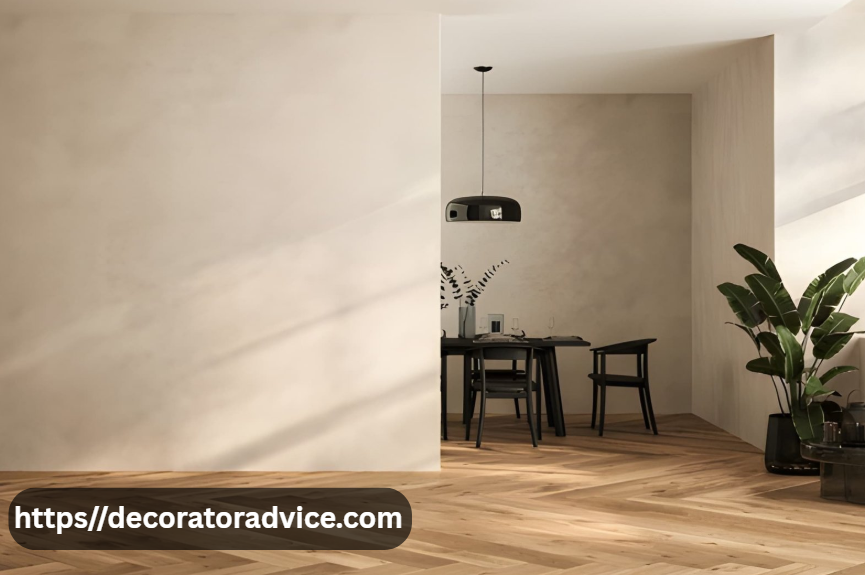
20 Modern Living Room Ideas You Can Use Right Now
1. Anchor the Room with One Bold Color Start with warm white or greige walls, then let a single piece carry the color — a deep olive sofa, a terracotta armchair. The room reads intentional, not assembled by accident.
2. Layer Your Lighting in Three Tiers Add a floor lamp behind the sofa, table lamps at each side, and wall sconces for evening depth. Dimmers on every circuit let you shift the mood without rearranging a thing.
3. Size Your Rug Correctly — Then Go Bigger The front two legs of your sofa and chairs should rest on the rug at minimum. For most US living rooms, a 9×12 is the right answer, not the 5×8 that feels safe in the store.
4. Give Your TV Wall a Purpose A shiplap feature wall, floor-to-ceiling shelving, or a darker paint shade frames the screen and turns a default wall into a focal point.
5. Hang One Large Piece of Art A single oversized canvas above the sofa anchors the room better than a gallery wall of smaller pieces. Abstract prints in earthy tones work in nearly every modern space.
6. Choose Furniture That Does Two Jobs Ottomans with hidden storage, coffee tables with lower shelves, sofas with charging ports — this is one of the most consistently recommended strategies at decoratoradvice com.
7. Paint Your Ceiling Something Other Than White A ceiling one shade deeper than your walls adds architectural depth instantly. Add exposed beams or a painted grid and the room earns a feature worth noticing.
8. Place Mirrors Opposite Windows A large mirror facing a window doubles your natural light and makes the space feel meaningfully larger — more than most furniture purchases can achieve.
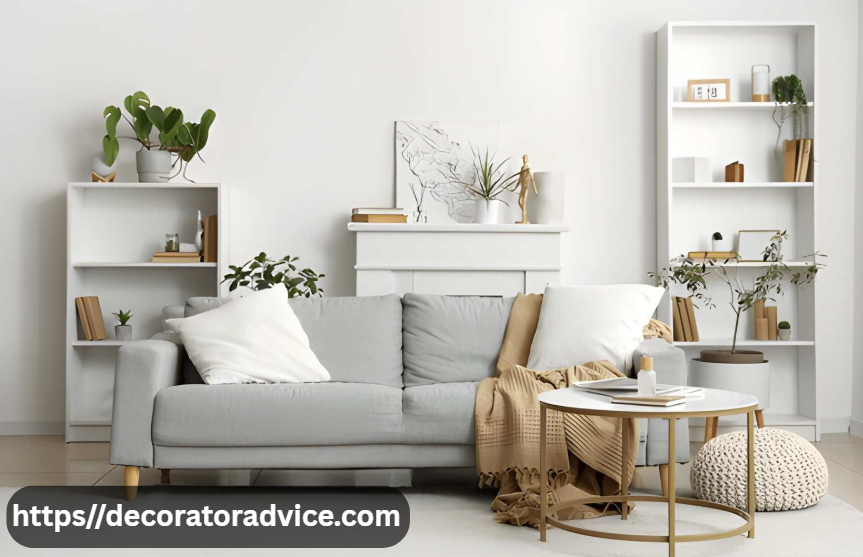
9. Add Live Plants as Structure A tall fiddle-leaf fig, a trailing pothos, or a cluster of plants near a window adds texture and life no object replicates. The decoration tips consistently rank plants as a top high-value, low-cost upgrade.
10. Try Limewash Paint on One Wall Flat paint is safe. Limewash is interesting. The depth it creates in shifting natural light gives a room a quality expensive furniture rarely matches.
11. Zone Open Plans with Furniture, Not Walls Use the back of your sofa as the boundary between living and dining. A console table behind the sofa and a pendant above the dining table reinforce the separation cleanly.
12. Invest in One Armchair Worth Sitting In A reading chair with real cushioning and a solid frame lasts a decade and anchors the room. Most people skip it to save money. Most people regret that.
13. Edit Your Bookshelves Until They Breathe Leave some shelves sparse, group books by color or size, and place a few objects with care. A packed shelf looks like a storage problem; an edited one looks like a design choice.
14. Hang Curtains at Ceiling Height Rods mounted near the ceiling with fabric that pools at the floor make windows look grander and ceilings look taller regardless of actual room dimensions.
15. Warm White Walls with Natural Wood Tones A wood coffee table, floating oak shelves, or a wooden tray brings organic warmth back into an all-white room that tips into clinical without it.
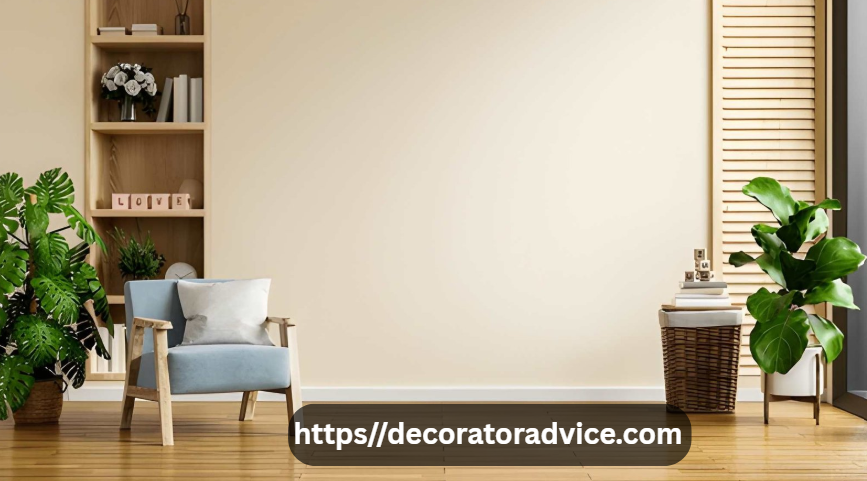
16. Turn a Dead Corner Into a Reading Nook An armchair, floor lamp, side table, and small rug in an unused corner become the most-used spot in the house — the kind of practical idea surfaces that most design magazines miss.
17. Commit to One Monochromatic Color Story Pick sage green, dusty blue, or terracotta and run it through your sofa, cushions, and curtains. Vary the shades and textures. The result is more sophisticated than mixing five colors ever is.
18. Use Wallpaper on One Wall Only A botanical or geometric wallpaper behind the sofa adds personality without overwhelming the room — especially effective on the wall guests see first when they walk in.
19. Replace Builder-Grade Fixtures First The overhead fixture is one of the first things visitors notice. A sculptural pendant costs far less than a new sofa and changes the room faster than almost anything else.
20. Declutter Before You Add Anything
Our Blog leads nearly every room guide with this — and rightfully so. No design idea works in a cluttered room. Clear everything out, clean every surface, and only return what genuinely belongs.
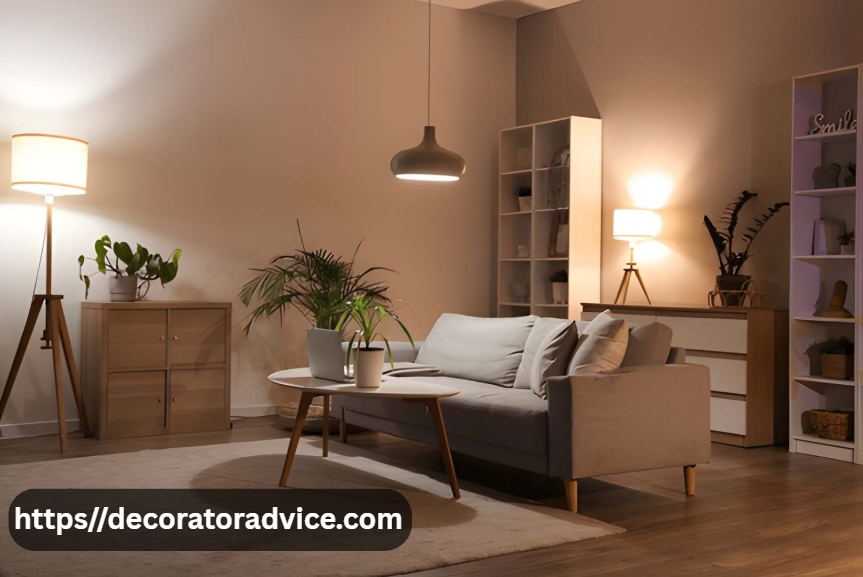
Budget vs. Investment: Where Should Your Money Go?
| Upgrade | Budget Option | Investment Option | Impact |
| Lighting | New lampshades ($30–$80) | Pendant or chandelier ($200–$600) | High |
| Sofa | Slipcover refresh ($50–$150) | Quality fabric sofa ($800–$2,500) | Very High |
| Wall Treatment | DIY accent wall ($30–$60) | Limewash or wallpaper ($200–$500) | Very High |
| Art | Printed canvas ($40–$120) | Large-format original ($500+) | High |
| Rug | Polypropylene flatweave ($80–$200) | Wool or jute area rug ($400–$1,200) | High |
Frequently Asked Questions
What is the most important element in a modern living room?
Lighting. A well-lit room with modest furniture outperforms a dark room with expensive pieces every single time.
How do I modernize my living room on a tight budget?
Paint one wall, hang a large mirror opposite a window, swap your light fixture, and add a quality throw and two new cushions. Under $250 combined — and the room shifts noticeably.
What colors are trending in US living rooms in 2025?
Warm whites, greige, sage green, dusty blue, terracotta, and warm charcoal lead. Emerald and sapphire are gaining ground as bold accent colors.
How large should a living room rug be?
An 8×10 is the minimum. A 9×12 is usually right. The front legs of all seating should rest on it at minimum.
Where can I find more expert living room ideas?
The guides cover room-by-room advice, trend updates, and budget breakdowns built specifically for US homeowners.
Start With the One Change That Unlocks Everything Else
Fix your lighting today. Paint a wall and hang a mirror this weekend. When the budget allows, invest in a properly scaled sofa and the right rug to anchor it. Every other choice — art, plants, curtains, accent colors — layers on top of that foundation. If you want to understand the philosophy behind this approach, the section about us explains how these practical design principles are applied to real homes, not just idealized spaces.

11 comments