Concrete Mix Calculator: Why Eyeballing Sand, Gravel, and Cement Ratios Wastes Money
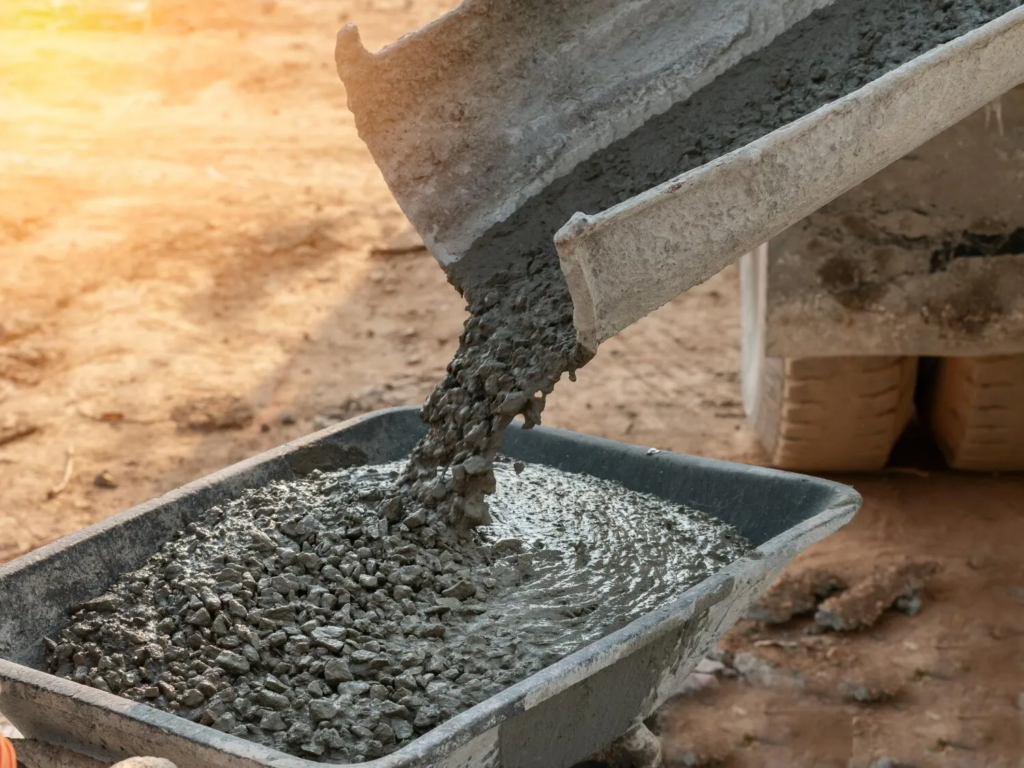
Ask ten contractors how they mix concrete and you will get ten different answers, most of them built on habit instead of math. That usually works out fine. Until it doesn’t. A slab poured with too much water cracks within a season. A footing mixed too dry never bonds right and starts crumbling under load. The gap between “close enough” and “correct” in concrete work isn’t cosmetic. It’s structural, and it costs real money to fix.
This is where a Concrete Mix Calculator earns its keep. Instead of relying on a ratio scribbled on the back of a receipt, a calculator translates your project’s dimensions and target PSI strength into exact amounts of cement, sand, and gravel. For homeowners pouring their first patio and contractors bidding tight-margin jobs across the U.S., that precision is the difference between a slab that lasts decades and one that needs replacing in five years.
Below is what actually goes wrong with manual mix estimates, how ratios change depending on the job, and how to use a calculator to get the numbers right on the first try.
What Most DIY Mix Guides Get Wrong
Most online guides repeat the same rule: one part cement, two parts sand, three parts gravel. It’s not wrong, exactly. It’s incomplete. That ratio assumes standard aggregate size, dry materials, and a project that doesn’t need much structural strength. Real jobs rarely match that assumption.
Sand that’s slightly damp from sitting outside changes how much water the mix needs. Gravel sourced from different suppliers varies in size, which affects how the mix packs and cures. A patio only has to hold foot traffic, but a driveway has to handle the weight of a loaded pickup truck backing over it daily for twenty years. Using the same ratio for both is how patios turn into hairline-crack galleries and driveways start spalling within a few winters.
The fix isn’t memorizing a dozen ratios. It’s plugging in your specific numbers, slab dimensions, target strength, and application, into something built to handle the math.
| Application | Cement : Sand : Gravel | Target PSI | Typical Use |
|---|---|---|---|
| Walkways & Patios | 1 : 2.5 : 3 | 2,500–3,000 | Foot traffic only |
| Driveways | 1 : 2 : 3 | 3,500–4,000 | Vehicle weight |
| Footings & Foundations | 1 : 2 : 4 | 3,000–3,500 | Structural load |
| Fence Posts | 1 : 3 : 5 | 2,000–2,500 | Light anchoring |
How a Concrete Mix Calculator Turns Ratios Into Real Numbers
Once you know the ratio you need, the harder part starts: converting square footage and slab thickness into cubic yards, then splitting that volume into bags of cement, cubic feet of sand, and cubic feet of gravel. Doing this by hand means juggling fractions of a cubic yard across a 400 square foot driveway, and small rounding errors compound fast. Order too little and you’re stuck with a cold joint where the second batch doesn’t bond cleanly to the first. Order too much and you’re paying to haul away leftover concrete before it sets in the truck.
Running the same numbers through a dedicated concrete mix calculator skips the manual conversion entirely. Enter the length, width, and depth of the pour along with your target ratio, and it outputs exact bag counts or ready-mix yardage. That’s one less place for a $40 rounding mistake to turn into a $400 problem.
| Project Size (sq ft) | Cubic Yards Needed | 60 lb Bags | 80 lb Bags |
|---|---|---|---|
| 100 | 1.23 | 82 | 62 |
| 200 | 2.47 | 165 | 124 |
| 300 | 3.70 | 247 | 185 |
| 500 | 6.17 | 412 | 309 |
Common Mistakes That Waste Money on a Pour
A few mistakes show up on almost every job site, experienced crews included:
- Skipping the waste factor. Spillage, uneven subgrade, and form movement typically eat 5 to 10 percent of your material. Order for the ratio only and you’ll come up short mid-pour.
- Ignoring aggregate size. Larger gravel needs less cement paste to fill the voids between particles; smaller aggregate needs more. Getting this wrong throws off both strength and workability.
- Forgetting regional climate. Gulf Coast humidity slows curing and changes finishing windows, while freeze-thaw cycles in the Midwest and Northeast require air-entrained mixes to keep water from cracking the slab from the inside out.
- Treating every project the same. A fence post footing and a load-bearing foundation wall have nothing in common structurally, but plenty of DIY guides quote one ratio for both.
When to Trust the Math Over the Habit
A Concrete Mix Calculator can’t replace an engineer’s stamp on a load-bearing footing, and it won’t tell you whether your subgrade is compacted enough to pour on. But for the residential jobs most homeowners and small contractors handle, patios, walkways, sheds, fence posts, it removes the guesswork that turns a $300 weekend project into a $500 do-over.
Frequently Asked Questions
How accurate is a concrete mix calculator compared to ordering from a batching plant?
Close enough for planning purposes. A calculator gives you the theoretical volume and bag count based on standard ratios, but real-world yield varies slightly with moisture content and mixing method. Add the standard 5 to 10 percent waste buffer and the numbers hold up well for both bagged mix and ready-mix truck orders.
Do concrete ratios change for hot or cold weather pours?
Yes. Hot weather speeds up curing and can cause surface cracking if the mix dries too fast, so many crews reduce water slightly and plan for faster finishing. Cold weather slows curing and increases the risk of freeze damage before the concrete reaches strength, which is why winter pours often use accelerators or heated enclosures.
Can I use a concrete mix calculator for a small repair job?
Yes, and it’s arguably more useful for small jobs than large ones. On a big driveway pour, a slight overestimate just means a bit of extra material. On a small repair, like patching a step or setting a single fence post, ordering the wrong amount means either a return trip to the store or a bag of hardened concrete going straight in the trash. A Concrete Mix Calculator sized correctly for small volumes avoids both.
What is the most common mistake homeowners make when ordering concrete?
Underestimating slab thickness. A 4 inch slab and a 6 inch slab on the same footprint need 50 percent more material for the thicker pour, and that difference gets missed constantly when people eyeball depth instead of measuring it at multiple points across the form.
Final Thoughts
Concrete doesn’t forgive bad math. Once it sets, the ratio you used is locked in for the life of the slab. Getting the numbers right before the truck shows up, or before you crack open the first bag, is the cheapest insurance available on a concrete project. Measure twice, calculate once, and let the numbers do what memory can’t.

Post Comment