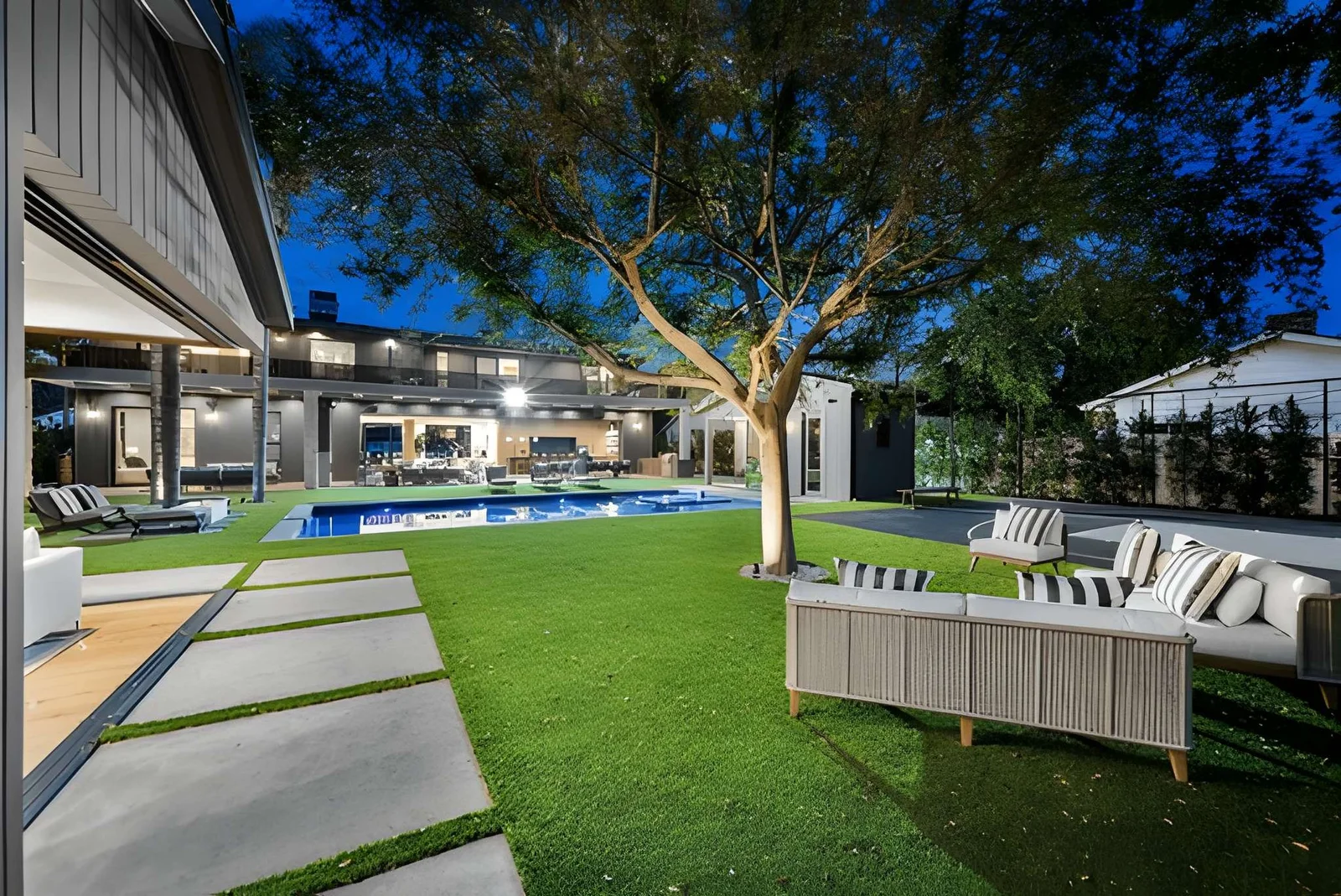
How to Renovate My Patio DecorAdHouse for a Stunning Makeover?
A patio renovation is one of those projects that homeowners talk about for years before actually starting. The existing surface is cracked or dated, the furniture is past its best, there’s no shade, no definition, no real reason to spend time out there — and yet the project stays on the list because starting it feels complicated and expensive without a clear framework for how to approach it.
The truth is that most patio renovations don’t need to be either. The process of thinking through how to renovate my patio decoradhouse-style — meaning sequenced, prioritized, and honest about what actually moves the needle — turns an overwhelming project into a series of manageable decisions that build on each other. Done in the right order, a patio makeover produces results that look far more expensive than they cost and far more dramatic than the individual changes suggest.
This article covers the full renovation process: how to assess what your patio actually needs, which structural changes come first, how to choose surface materials for US climates, the furniture and shade decisions that determine whether the space gets used, the lighting and planting layers that finish it, and the sequencing that makes all of it work together rather than creating a collection of improvements that don’t add up.
Why Most Patio Renovations Disappoint — And How This Approach Is Different
Most patio renovations underperform expectations for the same reason most interior renovations do: decisions get made in the wrong order, or the root problem gets decorated over rather than fixed.
| Common Patio Renovation Mistake | What It Produces | The Right Approach |
|---|---|---|
| New furniture on a broken surface | Beautiful furniture on an embarrassing base | Fix the surface before buying anything |
| Decoration without zone definition | Objects in undefined space | Define the zone before decorating it |
| Furniture without shade | Space unusable in summer afternoons | Plan shade in the first phase |
| Lighting added last if at all | Space unusable after dusk | Include lighting in phase one planning |
| All budget on one element | One great thing surrounded by neglect | Distribute budget across structural elements first |
| Renovating without a use plan | Beautiful space that doesn’t fit how you actually live | Define primary use before first purchase |
The renovate my patio decoradhouse approach addresses this by establishing a clear sequence: structure and surface first, function second, aesthetics third. Every decision in each phase informs what comes next, which is what produces coherence rather than a collection of independent improvements.
Phase 1: Assess and Address the Surface
The patio surface is the foundation everything else sits on. Renovating my patio decoradhouse-style means being honest about what the surface condition is before spending anything on furniture or decoration.
Surface conditions and what they require:
A patio surface with minor cracking and weathering often needs cleaning and sealing rather than replacement — pressure washing followed by penetrating sealer typically costs $50 to $150 in materials and transforms the appearance significantly. A surface with structural cracking, significant settling, or drainage problems that pool water requires more substantial intervention before anything else can work.
| Surface Condition | Recommended Treatment | Approximate Cost | DIY Feasible? |
|---|---|---|---|
| Minor weathering, surface dirt | Pressure wash + seal | $50–$150 | Yes |
| Faded color, minor surface cracks | Clean + resurface coating | $100–$300 | Yes |
| Structural cracks, uneven settling | Full or partial resurfacing | $500–$2,000 | Partial |
| Drainage issues, water pooling | Grade correction + resurfacing | $800–$3,000 | Professional recommended |
| Complete replacement needed | New pour or paver installation | $2,000–$10,000+ | Professional |
| Existing pavers, loose or settled | Re-sand and reset | $200–$800 | Yes with preparation |
For most US patios in reasonable structural condition, a thorough clean and reseal produces a surface that looks close to new at a fraction of replacement cost. This is the highest-ROI surface intervention available and the correct starting point before any other renovation decision.
Phase 2: Define the Zone and Establish Structure
Once the surface is addressed, the next phase is defining the patio as a distinct zone rather than an extension of the surrounding landscape. This is the step that transforms a slab into a room — and it’s the step most homeowners skip in their eagerness to buy furniture.
Zone definition in a patio renovation happens through:
Overhead structure: A pergola, shade sail, or market umbrella creates a ceiling plane that makes the patio feel enclosed in the right way — like a room rather than open ground. This is also the shade solution that makes the space usable through summer afternoons in most US climates.
Border definition: Container plants, a low planter wall, a change in paving material, or simply an outdoor rug clearly marks where the patio space begins and ends. Without this, furniture placed on a patio always looks like it’s sitting in the middle of nothing.
Shade planning: In US climates above roughly the 35th parallel, adequate shade extends patio usability by four to six hours per day through the primary outdoor season. A patio without shade is a patio that gets abandoned between 10am and 4pm from May through September.
| Zone Definition Element | Cost Range | Impact on Space | Priority Level |
|---|---|---|---|
| Market umbrella (9–11 ft) | $80–$300 | High — immediate shade and vertical presence | High |
| Shade sail (between anchor points) | $60–$200 | High — large coverage, modern aesthetic | High |
| Pergola (DIY kit) | $500–$2,500 | Very High — creates full overhead structure | Medium-High |
| Outdoor area rug | $50–$200 | High — defines seating zone immediately | High |
| Container plant border | $60–$200 | Medium-High — organic definition and privacy | Medium |
| Low planter wall (DIY block) | $150–$500 | High — permanent definition with planting capacity | Medium |
Phase 3: Furniture Selection for the Renovated Space
Furniture decisions made after the surface is addressed and the zone is defined are significantly better decisions than ones made in isolation. You know the actual footprint you’re working with, you know whether there’s a shade structure affecting clearance, and you know what the surface material is — all of which affect furniture selection.
The renovate my patio decoradhouse principle for furniture is function-first, durability-second, aesthetics-third. A beautifully designed chair that deteriorates in two US summers and an uncomfortable chair that lasts twenty years are both wrong answers. The right choice is comfortable, weather-appropriate for your specific US climate, and correctly scaled for the zone you defined in phase two.
| US Climate Zone | Recommended Furniture Material | Avoid | Reason |
|---|---|---|---|
| Humid Southeast (FL, GA, SC) | Powder-coated aluminum, HDPE | Steel, untreated wood | Rust and rot in high humidity |
| Arid Southwest (AZ, NM, NV) | Teak, powder-coated aluminum | Resin wicker | UV degradation in intense sun |
| Pacific Northwest (WA, OR) | HDPE recycled plastic, teak | Steel, iron | Constant moisture exposure |
| Midwest (4-season) | Powder-coated aluminum, teak | Untreated iron | Freeze-thaw cycle damage |
| Northeast (4-season) | Powder-coated aluminum, quality resin wicker | Untreated steel | Salt air near coast, freeze cycles inland |
| Central US (variable) | Powder-coated aluminum, HDPE | Cheap resin | Hail, temperature swings, wind |
Phase 4: Lighting and Planting — The Finishing Layers
The final phase is where the renovated patio goes from functional to genuinely inviting — and where relatively modest investment produces disproportionate impact.
Lighting: String lights hung at overhead height cost $25 to $80 and extend the patio’s daily usability by three to four hours. Wall-mounted solar sconces at entry points, solar stake lights along the perimeter, and battery-powered table lanterns layer in warmth and definition. The combination of these three light sources creates the layered effect that makes a patio feel like a designed outdoor room after dark.
Planting: Two or three well-placed container plants — one large specimen plant for vertical structure, one or two medium plants for color — add organic life that no purchased decoration replicates. In US climates with genuine winters, containers have the additional advantage of movability: they come in for the cold months and return with the warm season.
Frequently Asked Questions
How much does it typically cost to renovate my patio decoradhouse-style?
The range is genuinely wide — from $500 for a surface clean, rug, umbrella, and basic furniture refresh to $15,000 or more for full surface replacement, a built pergola, quality furniture, and professional landscaping. Most US homeowners achieve a genuinely transformative result in the $1,500 to $5,000 range when decisions are sequenced correctly and budget is concentrated on structural elements rather than decorative ones.
What should I fix first when I renovate my patio?
The surface — always. Furniture placed on a cracked, stained, or structurally compromised surface looks wrong regardless of quality. A cleaned and sealed surface followed by zone definition through shade and border elements creates the foundation that makes every subsequent investment look right.
How long does a full patio renovation take?
A phased approach spreads the work and the budget across a more manageable timeline. Surface work can be completed in a weekend. Shade structure installation takes one to three weekends depending on complexity. Furniture, lighting, and planting can be added progressively. A complete renovation from first assessment to finished space typically runs four to eight weeks when done systematically rather than all at once.
Can I renovate my patio on a budget under $1,000?
Yes, with prioritization. Clean and seal the existing surface ($50–$150), define the zone with an outdoor rug ($60–$120), add a market umbrella for shade ($100–$200), purchase one quality seating set scaled to the space ($300–$500), and add string lights ($30–$60). Total: $540 to $1,030 for a transformation that addresses the primary failure points of most neglected US patios.
What’s the most common regret after a patio renovation?
Not including shade from the start. Homeowners who complete a patio renovation without a shade solution consistently find the space underused through the hottest months — which in most US climates is also the peak outdoor season. Shade is the single element that converts a nice-looking patio into a genuinely used one, and adding it after the fact is always more disruptive than planning for it upfront.
The Bottom Line
To renovate my patio decoradhouse-style is to approach the project with the discipline of sequencing: surface and structure before furniture, furniture before decoration, and shade before anything else if summer usability is the goal. Each phase informs the next, which is what produces a finished result that feels coherent rather than assembled.
Start with what’s broken. Fix the foundation. Define the zone. Choose furniture for your specific US climate. Light it so it works after dark. Add plants last. That sequence, applied to virtually any US patio, produces results that look more expensive than they cost and more dramatic than any individual change would suggest.
For patio renovation styles must visit https://tipsbydecoratoradvice.com/

Post Comment