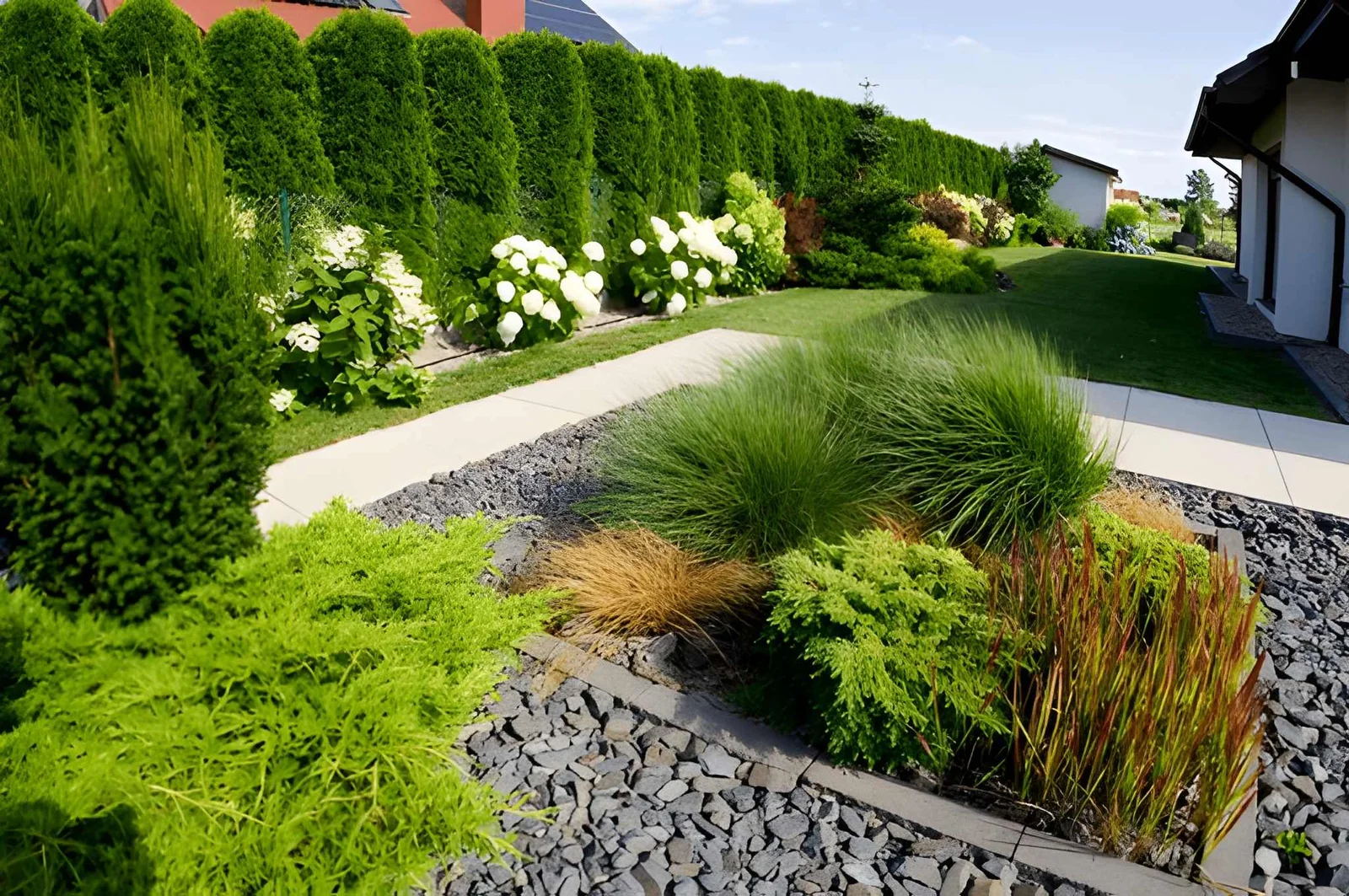
Looking for Stylish Yard Decoration DecadGarden Ideas?
Style in a yard is harder to achieve than style in an interior — and easier to get wrong. The outdoor environment introduces variables that indoor spaces don’t: weather exposure, scale challenges, seasonal change, and the relationship between the designed elements and the natural ones surrounding them. Get the balance right and a yard feels like a deliberate extension of the home. Get it wrong and it feels like a collection of outdoor purchases that don’t quite cohere.
Yard decoration decadgarden approaches outdoor styling differently from standard garden content. Rather than leading with plant lists or product recommendations, it starts with visual principles — the same design thinking applied to interior spaces, adapted for the specific conditions and opportunities that outdoor environments present. What creates cohesion? What establishes a style identity in a yard? What makes certain outdoor spaces feel designed while others feel accumulated?
The answers are consistent and learnable. This article covers the stylish yard decoration decadgarden ideas that produce the most visually sophisticated results — organized by design principle rather than product category, with specific recommendations for US homeowners across different yard sizes, climates, and style directions.
What Makes a Yard Look Stylish vs. Simply Maintained
Maintenance and style are different qualities. A yard can be impeccably maintained and feel completely unstyled — mowed, edged, and watered but without a design identity. Conversely, a slightly wild-looking yard with deliberate structure and style choices reads as designed in a way that manicured conventional lawns sometimes don’t.
The distinction comes down to intention — whether the yard’s elements are in relationship with each other or simply coexisting. Stylish yards have a visual language: a repeated material, a consistent plant palette, a color story, a spatial logic that makes movement through the space feel organized rather than random.
| Quality | Maintained Yard | Stylish Yard |
|---|---|---|
| Plant selection | Whatever grows well | Curated palette with scale and succession logic |
| Material consistency | Various materials accumulated | One or two materials repeated throughout |
| Color story | No intentional palette | Two to three colors carried through plants and objects |
| Spatial logic | Lawn surrounded by border | Defined zones with purpose and transition |
| Decoration | Objects added when purchased | Decoration serves a visual function in the composition |
| Style identity | No discernible direction | Clear aesthetic — whether natural, contemporary, or traditional |
Yard Decoration DecadGarden Ideas by Style Direction
The Natural / Organic Style
The most achievable and most forgiving stylish yard direction for most US homeowners — because it works with natural processes rather than against them.
Key characteristics: a plant palette that mixes ornamental grasses, native perennials, and structural shrubs in a way that looks curated but allows natural variation. Materials that are found or natural — stone, reclaimed wood, gravel — rather than manufactured. Decoration that emphasizes organic forms over geometric ones.
The yard decoration decadgarden approach to natural style: establish the framework with three to five plant species repeated throughout the space rather than one of everything. Repetition is what creates the cohesion that distinguishes natural style from simply not having gotten around to organizing things.
| Natural Style Element | Specific Choices | Cost Range |
|---|---|---|
| Anchor planting | Karl Foerster grass, Russian sage, echinacea | $15–$40 per plant |
| Ground definition | Decomposed granite or river pebble paths | $3–$8 per linear foot |
| Structural decoration | Large natural stone as focal object | $30–$150 |
| Container accent | Weathered terracotta or concrete vessel | $20–$80 |
| Seating | Teak or cedar with natural finish | $200–$800 |
| Edge treatment | Steel or stone border, organic curve | $5–$15 per linear foot |
The Contemporary / Architectural Style
Contemporary yard decoration decadgarden ideas emphasize geometry, material quality, and restraint. The plant palette is edited — fewer species, deployed with more intentionality. Materials are often modern (powder-coated steel, concrete, composite decking) with clean lines that echo architectural forms.
The trap in contemporary yard style is sterility — spaces that look modern in photographs and feel cold and unwelcoming in person. The fix is introducing natural warmth through a single organic element: one large-scale plant in a contemporary container, a water feature with natural stone surround, or warm-toned wood against cool concrete.
The Cottage / Abundant Style
The most forgiving style direction for beginning yard decorators because the aesthetic allows — even benefits from — a degree of abundance that other styles don’t. Cottage-style yards look designed when they’re full and layered; they look chaotic only when the layering lacks a unifying color palette.
The yard decoration decadgarden principle for cottage style: limit the color palette while allowing plant variety. All pink, white, and soft purple plants in multiple species and forms reads as intentional abundance. The same species count in five competing color families reads as disorganized.
Decoration Objects That Elevate Any Yard Style
Beyond planting, the objects placed in a yard contribute to style in the same way accessories contribute to interior design — they reveal intentionality or undermine it, depending on how they’re chosen and positioned.
| Object Category | What Works | What Dates or Undermines |
|---|---|---|
| Containers | Large-scale in consistent material — terracotta, concrete, weathered zinc | Small plastic pots in multiple colors |
| Garden art | One significant sculptural element per zone | Multiple small decorative objects scattered throughout |
| Lighting objects | Consistent style — all industrial, all traditional, or all minimal | Mixed lantern styles with no visual relationship |
| Water features | Simple material, appropriate scale | Fussy or kitsch forms |
| Furniture | One quality set, material appropriate to climate | Mismatched pieces from different purchasing occasions |
| Edging and borders | Consistent material throughout — steel, stone, or timber | Mixed materials changing style every few feet |
The single most common yard decoration mistake visible in US residential landscapes: too many small objects distributed throughout the space. Stylish yards concentrate decoration — one significant element per zone, chosen with intention, scaled to the space. The same budget applied to one sculptural container and significant planting produces more visual impact than the same amount spent on twenty small decorative stakes and figurines.
How Yard Decoration DecadGarden Approaches Color in the Landscape
Color in a yard operates differently from color in an interior — it’s seasonal, variable, and produced by living material that changes. Yard decoration decadgarden treats this as an opportunity rather than a complication.
The framework: choose a two to three color plant palette that runs through the entire yard, then allow variety within that palette through different species, textures, and forms. A yard where every flower is a shade of soft pink, purple, or white reads as designed regardless of how many different plant species are used. A yard with five different color families competing across the same border reads as accidental.
| Season | Color Palette Strategy | Key Plants for US Zones 5–8 |
|---|---|---|
| Spring | Soft and cool — white, soft pink, pale yellow | Hellebore, allium, bleeding heart |
| Early summer | Intensify — deeper pink, blue-purple, warm yellow | Salvia, iris, baptisia |
| Midsummer | Full color — maintain palette, add warm accents | Echinacea, agastache, rudbeckia |
| Late summer | Warm shift — gold, amber, deep purple | Helenium, Joe Pye weed, asters |
| Fall | Structure over color — grasses, seed heads, berries | Karl Foerster, viburnum, ornamental kale |
Practical Stylish Yard Decoration by Budget
| Budget | Highest-Impact Approach | What It Achieves |
|---|---|---|
| Under $200 | Edge all beds cleanly, mulch thoroughly, one large container with seasonal planting | Immediately styled appearance from structural discipline |
| $200–$500 | Add anchor planting in three to five species, consistent outdoor lighting, one quality seating piece | Style direction established, space begins to cohere |
| $500–$1,500 | Pathway in consistent material, significant sculpture or water feature, full seasonal planting scheme | Distinctive yard with clear identity |
| $1,500–$5,000 | Zone definition with permanent elements, quality furniture set, layered planting in full succession scheme | Fully styled yard that reads as professionally designed |
| Over $5,000 | Hardscape investment, structural planting at maturity, custom elements | Landscape that has clear design authority |
Frequently Asked Questions
What are yard decoration decadgarden ideas and who are they for?
Yard decoration decadgarden ideas are design-forward outdoor styling approaches for US homeowners who want their yards to look intentionally styled rather than simply maintained. The resource applies interior design thinking — visual hierarchy, material consistency, color palette discipline, zone definition — to outdoor spaces where those principles are equally valid but less commonly applied.
What’s the most stylish yard decoration change for under $100?
One large-scale container in a quality material (aged terracotta, concrete, or weathered zinc), planted with a single species in scale-appropriate quantity. A large concrete planter with a mass planting of one purple salvia variety reads as more intentional than a decorative grouping of five mismatched small pots with five different plants. Scale and restraint are what make outdoor decoration look stylish.
How do I create a yard that looks styled without looking over-decorated?
Through restraint and repetition rather than variety and abundance. Choose one material for hardscape elements and repeat it throughout the yard. Choose three plant species and repeat them in different areas rather than one of everything. Choose one style direction and resist decorating outside it. The disciplined yard consistently looks more styled than the abundant one.
What outdoor decoration mistakes make yards look unsophisticated?
Three consistent ones: too many small objects distributed throughout the space (scale problem), decoration in multiple conflicting styles (coherence problem), and plant selection in too many competing colors without palette discipline (visual noise problem). The stylish yard solves all three through edited choices at appropriate scale in a consistent style direction.
How important is lighting to stylish yard decoration?
Significant — it’s the element that extends the yard’s visual impact into evening hours and dramatically affects how decoration objects and plants read after dark. Consistent lighting style (all warm-toned solar, all string lights, or all low-voltage landscape lighting) contributes to the yard’s design identity in the same way material consistency does. Mixed lighting styles undermine the cohesion that all other styling decisions are working to create.
The Bottom Line
Stylish yard decoration decadgarden ideas work from the same principles as interior design: a clear style direction, material consistency, palette discipline, appropriate scale, and decoration that serves the composition rather than simply adding to it.
The most stylish yards aren’t the most planted or the most decorated. They’re the ones where every element has a relationship to every other element — where the material of the path echoes the material of the container, where the plant palette carries a color story rather than a color argument, where decoration objects are significant rather than numerous.
Apply those principles to whatever budget and yard size you’re working with and the result is a yard that reads as designed — not expensive, not elaborate, but intentional in a way that’s immediately visible and genuinely satisfying to be in.
For stylish yard decoration must visit decorator advice .com

Post Comment