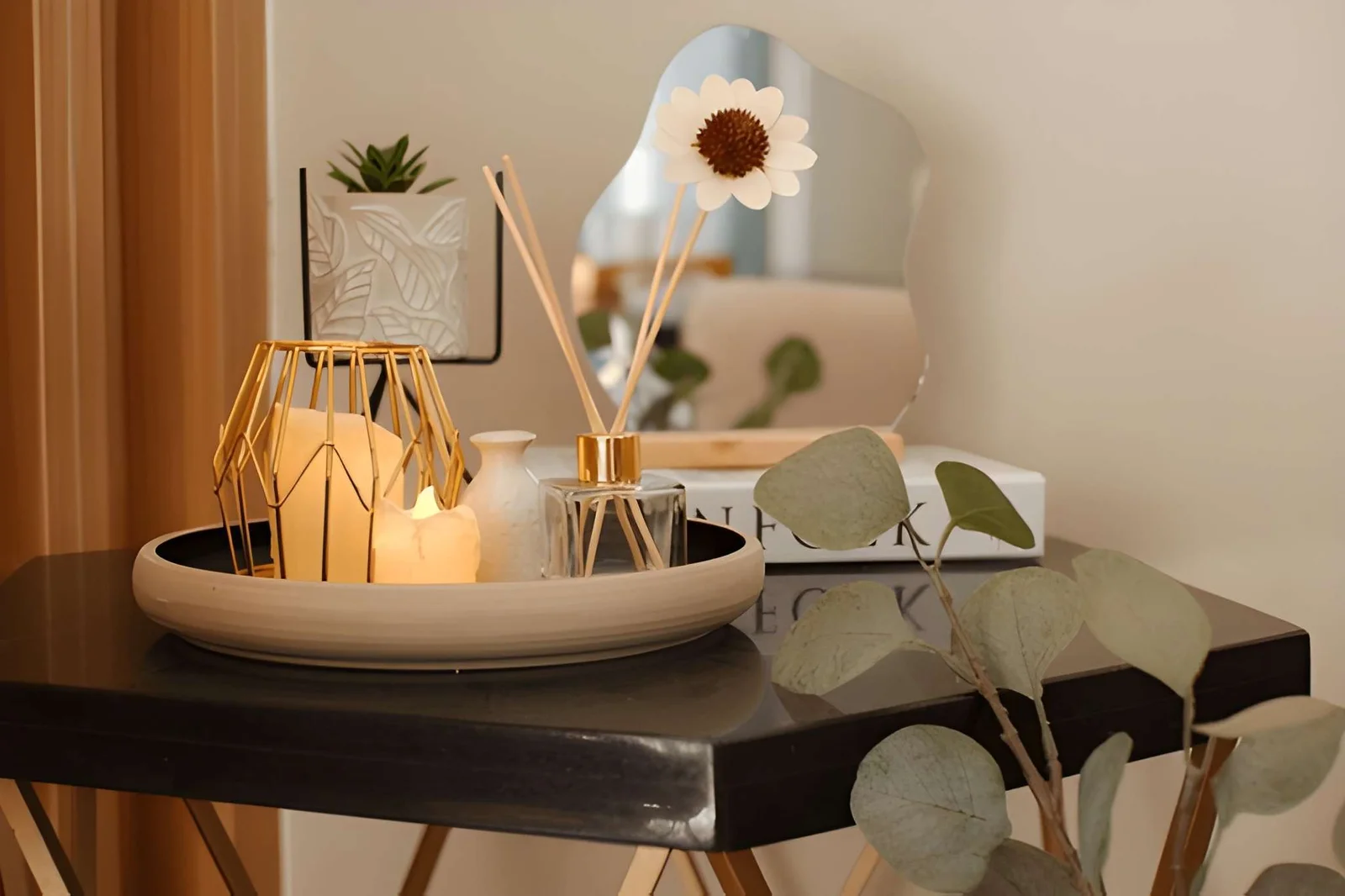
Why Are Decorative Trays So Popular?
Look at almost any styled coffee table, kitchen counter, or bathroom vanity and you will spot the same quiet workhorse: a tray. A candle, a small plant, and a stack of books look scattered on their own. Put them on a tray and the whole group suddenly looks chosen. That is a big part of why decorative trays are so popular, and it is why designers keep reaching for them.
But looks are only one reason. Trays also tame clutter, protect surfaces, and let you change a look in about thirty seconds. This article explains why decorative trays are so popular, what they actually do in a room, and how to pick the right one for your space. You will find a quick answer, a table of what trays do best, a material guide, a simple styling formula, and the mistakes that make a tray look messy. The advice suits apartments, family homes, and offices alike. Start with the quick answer, then jump to the sections that match your needs.
Why Are Decorative Trays So Popular?
Decorative trays are popular because they group small items into one tidy unit, protect surfaces, and add color or texture without a big purchase. A tray makes clutter look intentional, can be moved or swapped in seconds, and works in nearly every room, from coffee tables to bathroom counters.
What Decorative Trays Actually Do
| Job | How the tray helps | Where you see it |
|---|---|---|
| Grouping | Turns loose objects into one display | Coffee table |
| Containment | Keeps spills and rings off surfaces | Bar cart, vanity |
| Defining space | The edge acts like a frame | Entry console |
| Portability | Lift the whole setup to clean or serve | Kitchen counter |
| Low-cost updates | Swap one tray to change the mood | Any shelf or table |
Designers often describe this as “visual anchoring.” Your eye needs a boundary to read a cluster as one object. A tray provides that boundary, so six small things look like one deliberate display. That is also why decorative trays work well in rentals, where you cannot change walls or fixtures but still want a finished look.
Choosing the Right Material
| Material | Best for | Watch out for |
|---|---|---|
| Wood | Warm, casual rooms | Water rings, so add a coaster |
| Marble or stone | Bathrooms, bars | Weight and etching from acids |
| Metal | Modern spaces, entryways | Fingerprints and tarnish |
| Rattan or woven | Boho, coastal | Hard to wipe clean |
| Lacquer or acrylic | Small spaces, bold color | Scratches show easily |
For size, a common rule of thumb is a tray about one third to one half the length of the surface it sits on. Anything smaller looks lost, and anything larger crowds the table. If you want pieces that match a particular style, you can look at [anchor text] before deciding on a shape.
How to Style Decorative Trays
Here is a formula you can repeat anywhere. Choose three items with different jobs:
- Something tall. A candle, bud vase, or small lamp.
- Something low. A stack of books, a bowl, or a small dish.
- Something soft or living. A plant, dried stems, or a textured object.
Fill about two thirds of the tray and leave one third open. That gap keeps the display from feeling heavy and gives your eye somewhere to rest. Odd numbers also tend to look more natural than pairs, so three or five items usually works better than four.
Match the tray to the room’s function. In a bathroom, use it for soap, a hand cream, and a small plant. In a living room, try a candle, a coaster set, and a remote holder. On a dresser, corral perfume, jewelry, and a small dish for rings. In each case the tray should make the space easier to use, not only prettier.
Common Mistakes with Decorative Trays
The most frequent mistake is overfilling. When objects touch the edge on every side, the tray stops looking like a frame and starts looking like a storage bin. Another is choosing a tray with no relationship to its surroundings. A glossy gold tray on a rustic wood table can work, but only if one other item repeats that gold.
A third mistake is ignoring practical needs. A tray in a kitchen or bar area should be easy to wipe, so check the material before buying. If it will carry drinks, look for raised edges or handles.
FAQ
Where should I put a decorative tray?
Coffee tables, ottomans, kitchen counters, dressers, entry consoles, and bathroom vanities are the most common spots.
What size tray should I buy?
Aim for roughly one third to one half of the surface length. Measure the table first.
Can decorative trays be used for serving?
Yes, if they have raised edges and a food-safe surface. Check the manufacturer’s care notes before using one with food.
How many items should go on a tray?
Three to five is a safe range for most trays.
Bottom Line
Decorative trays are popular because they solve two problems at once: they make small things look organized, and they make a space look finished. Pick a tray one third to one half the surface length, style it with something tall, low, and soft, and leave a third of it open. It is a small purchase that does a lot of work.
For decorative trays ideas must visit decorator advice .com

Post Comment