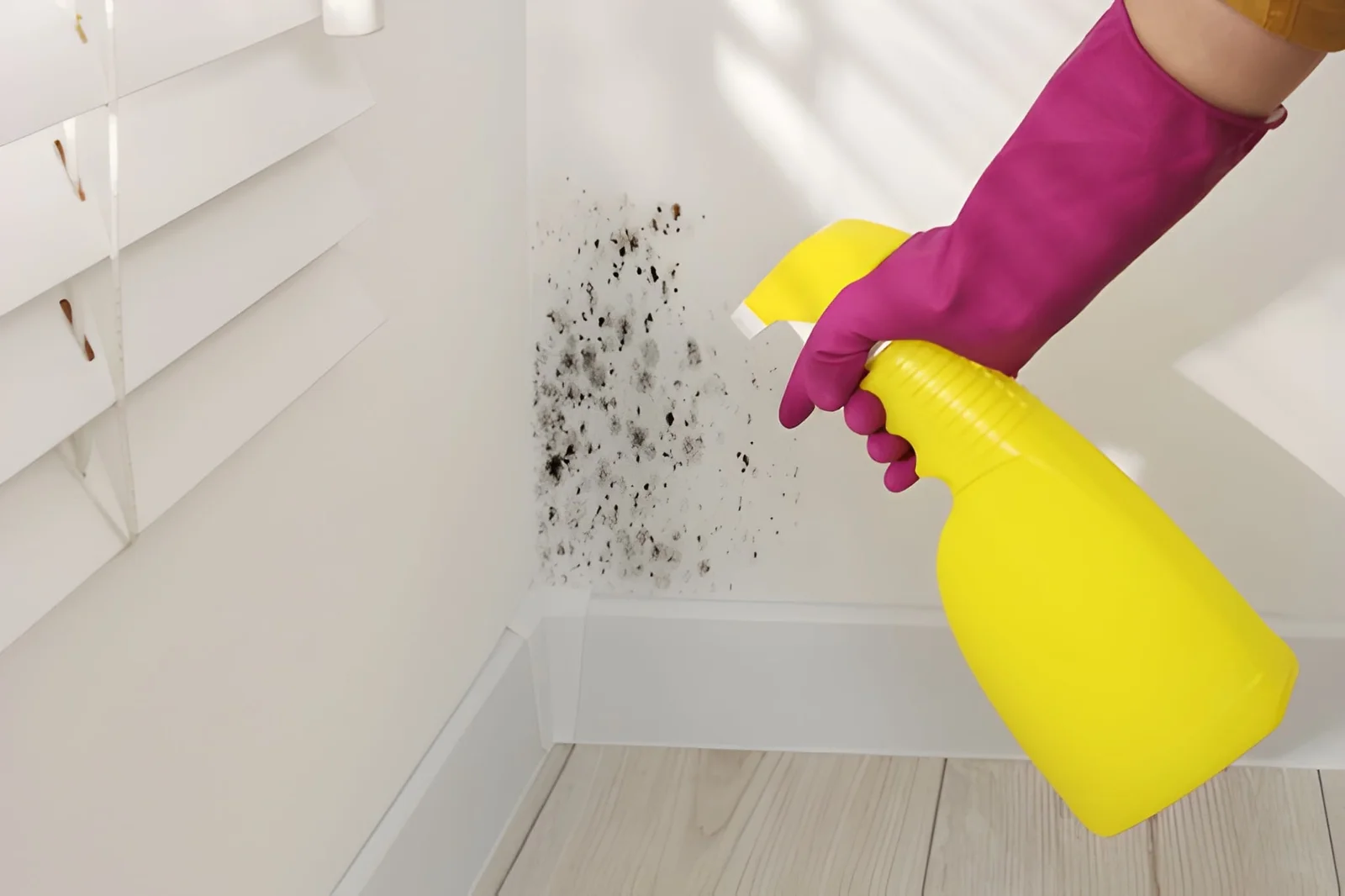
How Can You Prevent Mold During Humid Months?
Mold doesn’t need a flood. It needs moisture, a surface to grow on, and a little time. In humid months, all three show up without any drama: a damp towel left on a hook, a bathroom that never quite dries, a closet where the air hasn’t moved in weeks. Then one day you notice a musty smell, and the spots on the wall are already there.
So how can you prevent mold during humid months? You control moisture, since mold can’t thrive without it. This guide covers the humidity level to aim for, how to use ventilation and dehumidifiers, which rooms need extra attention, and what to do when you spot the first signs. You’ll also see how to tell small surface mold from a problem that needs a professional. The tables below summarize targets, tools, and room-by-room steps so you can act quickly. Most prevention costs very little, and the habits are easier to build than the cleanup is to endure.
How can you prevent mold during humid months?
Prevent mold by keeping indoor humidity between 30% and 50%, using exhaust fans and dehumidifiers, fixing leaks quickly, drying wet items within 24 to 48 hours, and improving airflow. Check humid areas like bathrooms, basements, and closets regularly.
What humidity level should you aim for?
| Humidity level | What it means |
|---|---|
| Below 30% | Very dry, may cause discomfort |
| 30% to 50% | Target range for most homes |
| 50% to 60% | Mold risk increases |
| Above 60% | High risk, act quickly |
A small hygrometer, which is inexpensive, shows your readings. Check it at different times of day, since levels change.
Which tools help most?
| Tool | Best for | Cost | Notes |
|---|---|---|---|
| Hygrometer | Measuring humidity | Low | Place in rooms you worry about |
| Dehumidifier | Basements, bedrooms, closets | Medium | Empty and clean the tank regularly |
| Exhaust fans | Bathrooms and kitchens | Medium | Vent outside, not into the attic |
| Air conditioning | Whole-home dryness | Medium to high | Keep filters clean |
| Moisture absorbers | Small closets | Low | Need regular replacement |
| Ceiling or box fans | Moving stale air | Low | Help surfaces dry |
What should you do room by room?
| Room | Main risk | Prevention step |
|---|---|---|
| Bathroom | Steam and wet surfaces | Run the fan during and 20 to 30 minutes after showers |
| Kitchen | Cooking steam and leaks | Use the range hood, wipe spills, check under the sink |
| Basement | Dampness and poor airflow | Use a dehumidifier, keep items off the floor |
| Bedroom | Humid air and window condensation | Wipe windows, avoid drying laundry inside |
| Closets | Still air | Leave doors slightly open, avoid tight packing |
| Laundry room | Wet clothes and machines | Leave the washer door open, dry loads promptly |
Which everyday habits add moisture?
| Habit | Better choice |
|---|---|
| Drying laundry indoors | Use a vented dryer or dry outside |
| Long hot showers without ventilation | Use the fan and wipe walls |
| Leaving wet towels in a pile | Hang them to dry |
| Boiling pots without the hood | Use the range hood |
| Overwatering houseplants | Water only when needed |
| Closed rooms for days | Open doors and let air circulate |
What are the early warning signs?
| Sign | What it may mean |
|---|---|
| Musty smell | Hidden moisture or growth |
| Dark or fuzzy spots | Visible mold |
| Peeling paint or bubbling walls | Moisture behind the surface |
| Condensation on windows | Humidity is too high |
| Warped wood or stains | Ongoing water exposure |
When can you clean it, and when should you call a professional?
| Situation | Action |
|---|---|
| Small surface spots on hard surfaces | Clean with detergent and water, wear gloves and a mask |
| Mold on porous materials like drywall or carpet | May need removal or replacement |
| Large area (many agencies cite about 10 square feet as a guide) | Call a professional |
| Recurring mold after cleaning | Find and fix the moisture source |
| Health symptoms like persistent coughing or wheezing | Speak with a doctor and fix the cause |
Don’t mix bleach with ammonia or other cleaners, since the fumes are dangerous. Find the source of moisture, since cleaning alone doesn’t solve it.
Frequently asked questions
What temperature and humidity prevent mold?
Keeping humidity at 30% to 50% is the common guidance, as mold struggles in drier air.
Does a dehumidifier stop mold?
It reduces the moisture mold needs, but it works best alongside ventilation and leak repairs.
Can mold grow in air-conditioned homes?
Yes, if humidity stays high or if there are leaks and poorly maintained units.
One last thought
I’d buy a cheap hygrometer before anything else. It turns a vague worry into a number, and you’ll quickly learn which room is the problem.
For preventing mold during humid must visit https://tipsbydecoratoradvice.com/decoration-tips-decoradhouse-from-decoratoradvice/

Post Comment