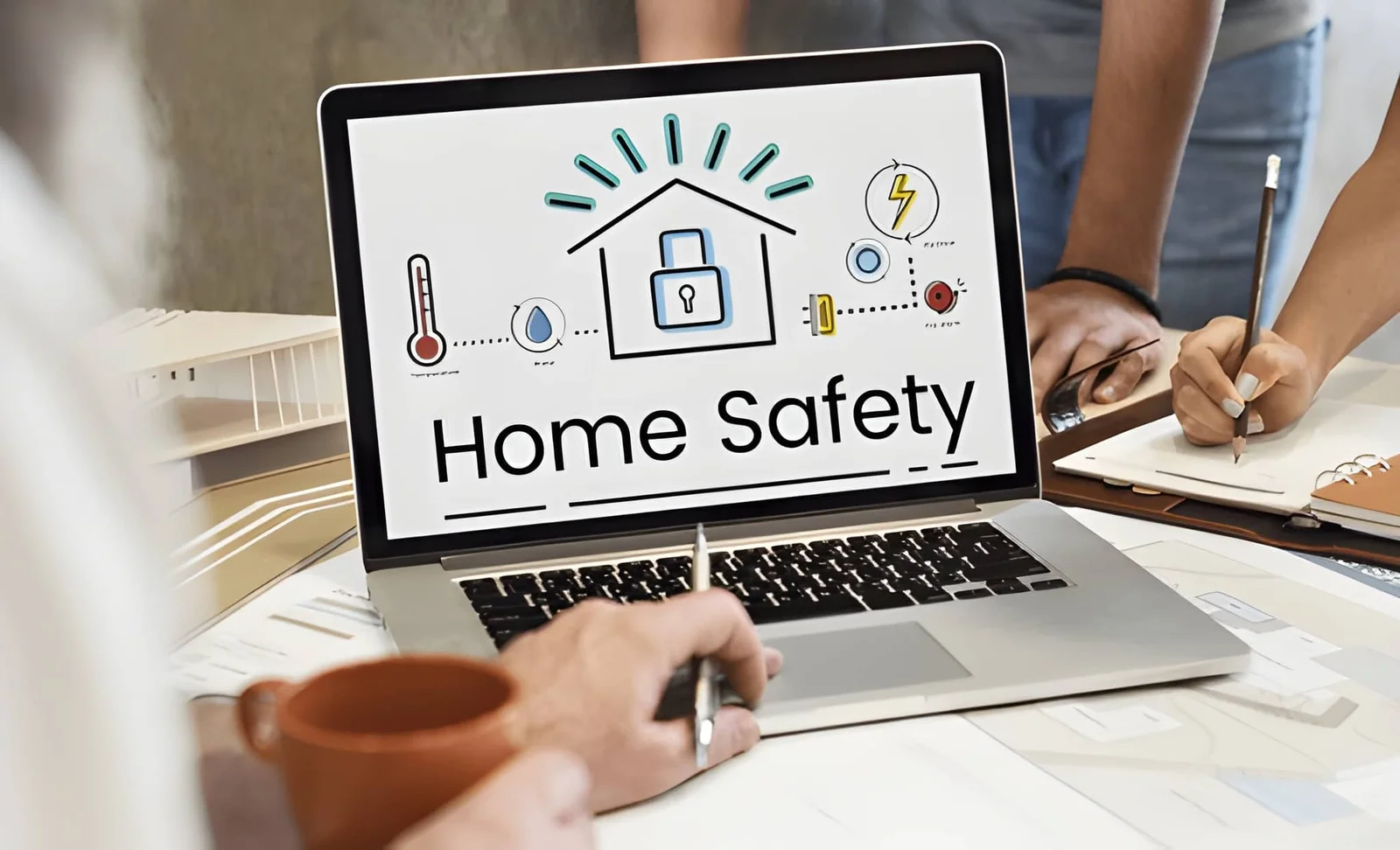
Which Home Safety Checks Matter Before Holiday Travel?
The suitcases are packed, the car is loaded, and you’re already thinking about the trip. That’s exactly when homes get forgotten. A dripping tap, a space heater left plugged in, or a back door that doesn’t quite latch can turn a week away into a very expensive homecoming.
So which home safety checks matter before holiday travel? Focus on the four risks that cause the most damage while you’re gone: fire, water, break-ins, and extreme cold or heat. This guide gives you a 30-minute walk-through, a room-by-room checklist, and a short list of what to do if you’ll be away for more than a week. You’ll also see which smart devices help, which tasks to hand to a trusted neighbor, and what to avoid posting online. The tables below sort each check by priority and time, so you can finish the important ones even if you’re running late. Most take under five minutes each.
Which home safety checks matter before holiday travel?
Before holiday travel, unplug heat-producing appliances, check smoke alarms, shut off or check water supplies, lock all doors and windows, set the thermostat for the weather, and arrange for someone to collect mail and check the house. Skip announcing your trip publicly online.
What are the top priority checks?
| Risk | Check | Time |
|---|---|---|
| Fire | Unplug space heaters, toasters, and irons; test smoke alarms | 5 min |
| Water | Look under sinks, check hoses, consider closing the main valve | 10 min |
| Break-in | Lock every door and window, including garage and basement | 5 min |
| Cold or heat | Set the thermostat to a safe temperature | 2 min |
| Gas | Check that burners and pilot-free appliances are off | 2 min |
| Food | Clear perishables and take out the trash | 10 min |
What should you check room by room?
| Room | What to check |
|---|---|
| Kitchen | Stove and oven off, small appliances unplugged, fridge not overstocked with perishables, trash emptied |
| Bathroom | Taps fully off, no slow drips, washing machine hoses intact |
| Living areas | Candles out, space heaters and holiday lights off or unplugged |
| Bedrooms | Windows locked, electric blankets and chargers unplugged |
| Garage | Door closed and locked, opener remote taken out of the car |
| Exterior | Gates locked, ladders and tools stored, outdoor lights on a timer |
How should you set the thermostat?
| Season | Suggested approach | Reason |
|---|---|---|
| Cold weather | Keep heat on at a moderate setting rather than off | Protects pipes from freezing |
| Hot weather | Raise the temperature a few degrees instead of turning cooling off | Limits humidity and heat damage |
| Mild weather | Use an energy-saving setting | Saves energy |
Check your insurance policy, because some require heating to stay on in winter. Settings vary by home and climate.
What about water and plumbing?
| Action | Best for |
|---|---|
| Shut off the main water valve | Trips of a week or more |
| Check supply hoses on washers and dishwashers | Older appliances |
| Open cabinet doors under sinks in freezing weather | Pipes on exterior walls |
| Install leak sensors | Basements, kitchens, laundry rooms |
| Know where the shutoff valve is | Whoever checks on the house |
How can you make the house look occupied?
| Tip | Why it helps |
|---|---|
| Use timers on lamps and radios | Suggests activity |
| Ask a neighbor to collect mail and packages | Piles signal an empty home |
| Arrange snow clearing or lawn care | Untouched snow or grass stands out |
| Park a car in the driveway if possible | Adds normal signs of life |
| Keep curtains in their usual position | Avoids a “closed up” look |
What should you avoid?
| Mistake | Better choice |
|---|---|
| Posting travel plans or photos live | Share after you return |
| Hiding a key outside | Leave one with a trusted person |
| Leaving a voicemail that says you’re away | Use a neutral greeting |
| Leaving candles or tree lights on | Turn off or use timers |
| Overlooking the attic or garage | Check them too |
Which smart devices help?
| Device | Benefit |
|---|---|
| Leak sensors | Early water alerts |
| Smart plugs with timers | Turn lights on and off |
| Video doorbell or camera | Live check-ins |
| Smart thermostat | Remote temperature changes |
| Smoke and CO alarms with alerts | Notifies your phone |
Protect these with strong passwords and two-factor authentication.
What should a house sitter or neighbor know?
| Item | Details to share |
|---|---|
| Contact numbers | Yours and an emergency contact |
| Shutoff locations | Water, gas, and breakers |
| Pet and plant care | Clear instructions |
| What to do in an emergency | Who to call first |
| Check-in schedule | How often to visit |
Frequently asked questions
Should you unplug appliances before a trip?
Unplug heat-producing ones like toasters, irons, and space heaters. For other electronics, it can reduce risk and standby power use.
Should you turn the heating off while away?
In cold weather, usually not. Keeping a low, steady heat helps prevent frozen pipes.
How early should you start your checklist?
A day or two before you leave, so you can fix anything you find.
One last thought
I’d do the water check first. Fires and break-ins are rarer than leaks, and a small drip can run unseen for days.
Must visit https://tipsbydecoratoradvice.com/ for home safety checks ideas.

Post Comment