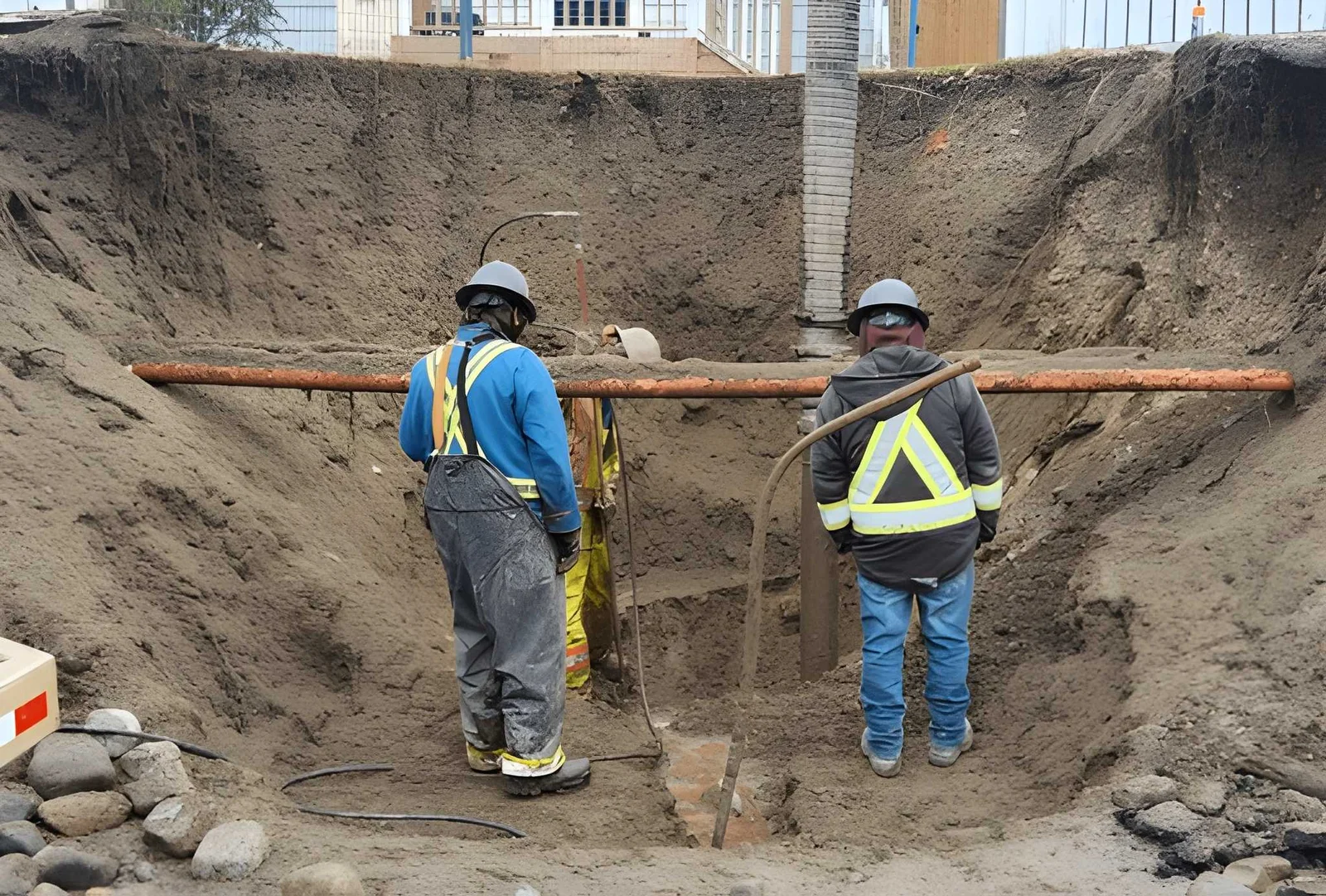
What Should You Know About Underground Utility Maps Before Excavation?
A fence post needs a two-foot hole. A shovel strikes something hard at eighteen inches. It might be a rock, or it might be a gas service line, a water pipe, or a fiber cable that serves half the street. Homeowners and small contractors often rely on an old plat, a utility map from the city, or what the last owner said. But underground utility maps before excavation are only a starting point, because lines move, get repaired, and sit at varied depths. So what should you know before you dig?
This article explains what maps can and cannot tell you, how the national 811 service works, what the paint colors mean, and where private lines hide. You will find a quick answer, a table comparing maps, marks, and private locates, a color code, a state timing example, a step-by-step plan, and the mistakes that cause strikes. It suits homeowners, landscapers, and contractors across the US. Read the quick answer first, then use the sections that fit your project.
What Should You Know About Underground Utility Maps Before Excavation?
Underground utility maps before excavation show approximate routes, not exact positions or depths. Call 811 at least two to three business days before you dig, wait for utilities to mark their lines, and respect the tolerance zone around each mark. Maps and marks don’t cover private lines, so hire a private locator when your project may reach them.
Maps, Marks, and Private Locates
| Source | What it gives you | Limit |
|---|---|---|
| Old plats and city maps | General routes | Can be outdated or wrong |
| 811 marks | The approximate location of underground lines | Depth varies |
| Private locator | Lines on your property | Costs money, not free |
| Hand digging or potholing | Confirms the line | Slow, but safest |
The 811 process is free to the caller in most places, but utilities mark their own lines, not private lines. Private lines include electric to a detached garage or shed, invisible pet fences, satellite or dish TV lines, septic components, and propane tanks or lines.
Know the Paint Colors
Utilities follow APWA standard color codes.
| Color | Typical meaning |
|---|---|
| Red | Electric |
| Yellow | Gas, oil, steam |
| Orange | Communications and cable |
| Blue | Drinking water |
| Green | Sewer and drain |
| Purple | Reclaimed water |
| Pink | Survey marks |
| White | Your proposed dig area |
Georgia 811 recommends marking your own dig area in white paint, flags, or stakes, and not using other colors.
Wait Times and Tolerance Zones Vary
| State example | Notice | Tolerance zone |
|---|---|---|
| Colorado | Two full business days | 18 inches |
| Georgia | At least three business days | Facility width plus 18 inches each side |
| South Carolina | Three full business days | 24 inches |
| Florida | Two full business days | 24 inches |
Check your state’s one-call center for current rules.
Step-by-Step Plan
- Define the dig area and mark it in white.
- Call or submit online to 811 at least the required days ahead.
- Wait for positive responses from every utility.
- Order a private locate if your project may reach private lines.
- Respect the tolerance zone, digging by hand if required.
- Expose the line when possible before using machines.
Request a locate any time you dig more than a few inches or use powered equipment. If a contractor does the work, make sure they place the 811 call.
Safety Note
If you strike a line, stop digging. For gas or electric lines, leave the area, call 911, and notify the utility. Never bury or repair a damaged line yourself. Don’t remove marks until the work is complete. State laws vary on liability and fines.
Mistakes to Avoid
The most common mistake is relying on a map alone. Another is assuming small projects don’t count. Even small digging projects should be called in. Skipping private locates is a third error. Digging before every utility responds is risky. Finally, don’t assume depth. Utility depth varies.
FAQ
Is 811 free?
It is free to the caller in most places.
How long are marks valid?
It varies by state, so check before long projects.
Bottom Line: Treat Maps as the Start, Not the Answer
Underground utility maps before excavation help you plan, but marks, private locates, and hand digging confirm what’s below. Call 811, wait, respect the tolerance zone, and verify private lines. A few days of waiting beats a costly or dangerous strike.
Must visit https://tipsbydecoratoradvice.com/ for underground utility map ideas.

Post Comment