Why Do Some Properties Have Unexpectedly High Water Consumption?
The water bill arrives and the number is double last month’s. Nobody added a pool, hosted a reunion, or started washing the car twice a day. Households often blame the utility, but the cause is usually inside or around the property, and it often leaves clues in the pattern of use. So why do some properties have unexpectedly high water consumption, and how can you find the cause without guessing?
The best method is to sort the problem by pattern. Water that runs all the time points to a leak. Water that spikes on a schedule points to irrigation or an appliance. A one-time jump points to an event, and a jump that does not match your meter points to billing. This article shows how to classify your bill, run two ten-minute tests, and decide what to do next. You will find a quick answer, a pattern table, a test guide, a table of common culprits, a billing section, and the mistakes that waste weeks. It suits homes, rentals, and small properties across the US. Read the quick answer first, then use the sections that fit your situation.
Why Do Some Properties Have Unexpectedly High Water Consumption?
Properties have unexpectedly high water consumption most often because of leaks, irrigation problems, or changes in use. The average household’s leaks waste nearly 10,000 gallons a year, and 10 percent of homes have leaks that waste 90 gallons or more per day. Billing and meter issues can also play a part. epahomedepot
Read the Pattern
| Pattern | Likely cause | First test |
|---|---|---|
| High every day, including overnight | Leak, such as a toilet or a supply line | Meter test |
| Spikes on certain days or times | Irrigation or appliances | Check schedules |
| One-time jump | Pool filling, guests, hose left on | Review your calendar |
| Gradual climb over months | Slow leak or worn fixtures | Toilet and faucet checks |
| Bill high, but meter looks normal | Estimated read, rate change, or billing error | Call the utility |
Two Ten-Minute Tests
| Test | How | What it shows |
|---|---|---|
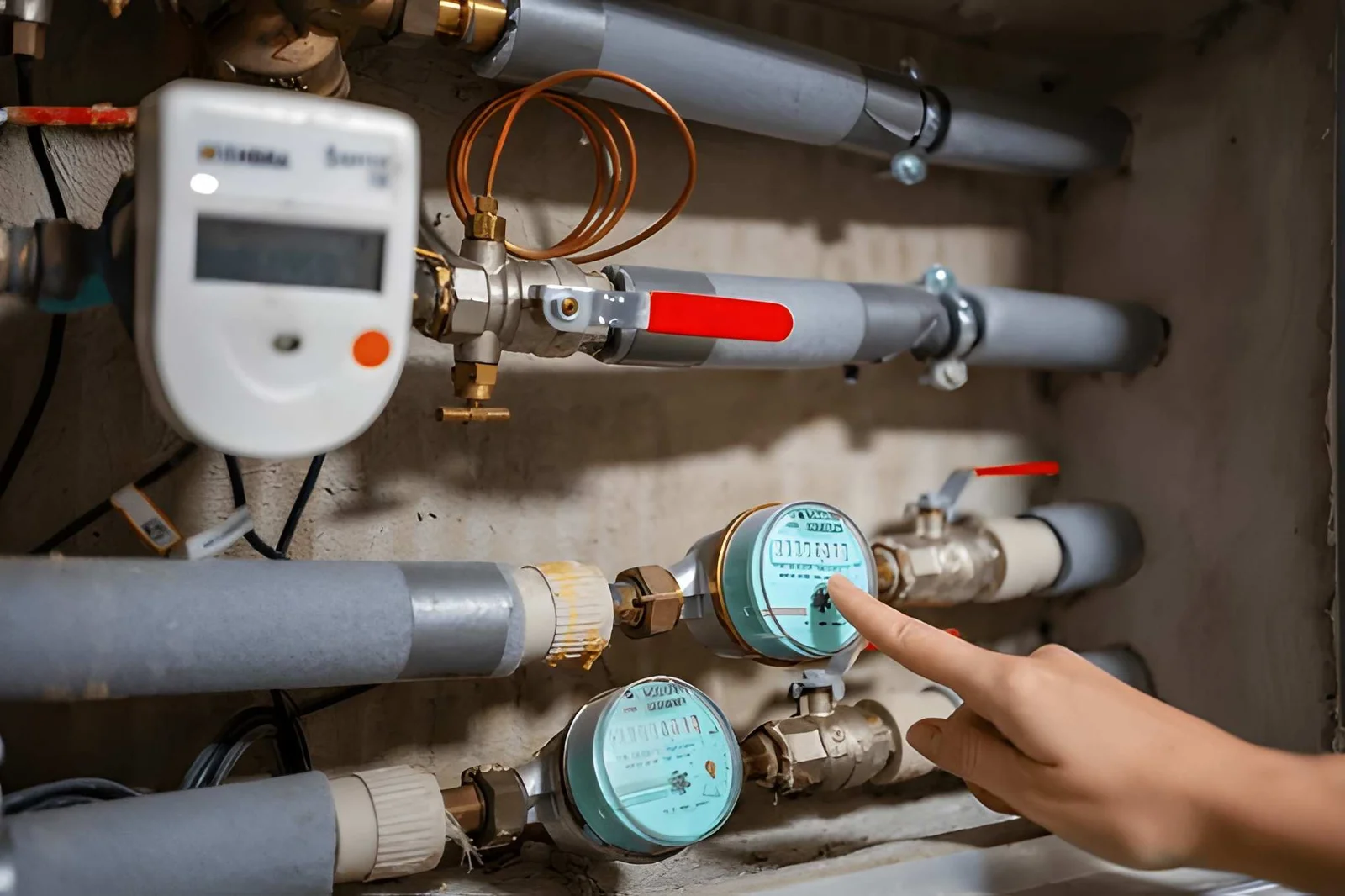
| Meter test | Check your meter before and after two hours when no water is being used; any change means a probable leak | Whole-property leak |
| Toilet dye test | Put food coloring in the tank and wait 10 minutes; color in the bowl means a leak | Silent toilet leaks |
If the meter moves, close the main valve and check again. If it stops, the leak is inside the house. If it keeps moving, the leak is between the meter and the house, possibly underground. Call 811 before any digging.
Common Culprits
| Source | Typical waste |
|---|---|
| Toilet flapper | A worn flapper can silently leak thousands of gallons a year |
| Dripping faucet | One drip per second wastes more than 3,000 gallons a year |
| Leaking showerhead | 10 drips per minute wastes more than 500 gallons a year |
| Irrigation system | Broken heads, stuck valves, bad schedules |
| Outdoor spigot or hose | Left running or leaking behind a wall |
| Appliances | Failing supply lines, stuck valves |
WaterSense recommends replacing toilet flappers every 5 years.
Use Winter Use as a Benchmark
A family of four whose winter use exceeds 12,000 gallons a month likely has a serious leak. Compare your off-season bills with this benchmark, since irrigation is usually off.
Check Irrigation and Outdoor Use
Run each zone and look for geysers, soggy spots, and spray hitting pavement. Check the controller schedule for duplicate start times. Look at outdoor spigots, hose bibs, and pool or fountain fills. If you rent, tell your landlord about suspected leaks in writing.
Billing and Meter Questions
Compare read dates, billing days, and rate tiers. Ask whether recent reads were estimated. Photograph your meter. Some utilities offer leak adjustments once, so ask after repairs and keep receipts.
Safety Note
Shut off the main valve if you find an active leak, and avoid electrical equipment near water. Hire a licensed plumber for hidden or slab leaks. Don’t mix chemicals in toilet tanks.
Mistakes to Avoid
The most common mistake is assuming the meter is wrong. Another is ignoring small drips. Skipping the toilet test is a third error. Waiting a full billing cycle to act wastes water. Finally, don’t dig without calling 811.
FAQ
Can a leak be hidden?
Yes. Slab, underground, and wall leaks may show only on the meter or the bill.
Should I call the utility first?
Do the meter test, then call with your findings.
Bottom Line: Match the Pattern to the Cause
Unexpectedly high water consumption usually traces to a leak, irrigation, a one-time event, or billing. Sort the bill by pattern, run the meter and toilet tests, and fix what you find. Quick tests beat guesses.
For water consumption ideas must visit https://tipsbydecoratoradvice.com/

Post Comment