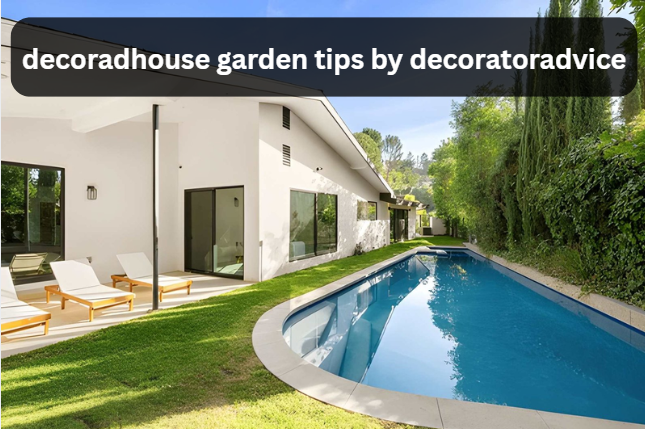
10 Decoradhouse Garden Tips by Decoratoradvice for a Beautiful Outdoor Space
Most American backyards have more potential than their owners realize. A neglected patio, a lawn that costs more to water than it gives back, a garden that looks great in photos but frustrating to maintain — these are fixable problems. They just need the right approach.
The Decoradhouse Garden Tips series was built around one idea: outdoor spaces should work as hard as the rooms inside your home. Whether you have a quarter-acre suburban yard, a compact townhouse patio, or a bare balcony in a city apartment, the principles are the same — layer thoughtfully, choose plants that earn their place, and design for how you actually live outdoors.In this guide, we cover 10 specific, actionable garden tips drawn from the Decoradhouse Garden Tips framework. Each one is grounded in what’s working in US outdoor spaces in 2026, backed by real design logic, and built to last longer than a single season trend.
10 Garden Tips at a Glance
| # | Tip | Effort Level | Budget Range | Impact |
| 1 | Define your outdoor zones | Low | $0–$200 | High |
| 2 | Choose native, drought-tolerant plants | Low–Medium | $100–$600 | High |
| 3 | Layer your lighting | Medium | $150–$800 | Very High |
| 4 | Add a focal point | Low–Medium | $50–$1,500 | High |
| 5 | Use outdoor rugs and textiles | Low | $80–$500 | Medium–High |
| 6 | Build an edible garden feature | Medium | $200–$1,200 | High |
| 7 | Create a pollinator corner | Low | $50–$300 | Medium |
| 8 | Choose durable, weather-smart furniture | Medium | $400–$4,000 | High |
| 9 | Add vertical interest | Low–Medium | $100–$800 | Medium |
| 10 | Maintain with a seasonal rhythm | Low (ongoing) | $0–$150/yr | Very High |
1. Define Your Outdoor Zones First
Before buying a single plant or piece of furniture, figure out what your outdoor space is actually for. Dining? Morning coffee? Kids playing? Evening entertaining?
Zoning is the first and most overlooked step in the Decoradhouse Garden Tips approach. A 400 sq ft patio used for three different things without any separation feels chaotic. The same space divided into a dining zone, a lounge corner, and a planted border feels intentional and twice as large.
Use simple tools to define zones: a change in paving material, an outdoor rug, a low hedge, a pergola overhead. You don’t need walls.
2. Choose Native, Drought-Tolerant Plants
The days of a high-maintenance grass lawn as the default American yard are over. Water bills, drought restrictions, and time pressure have pushed homeowners toward smarter planting — and the results look better than most people expect.
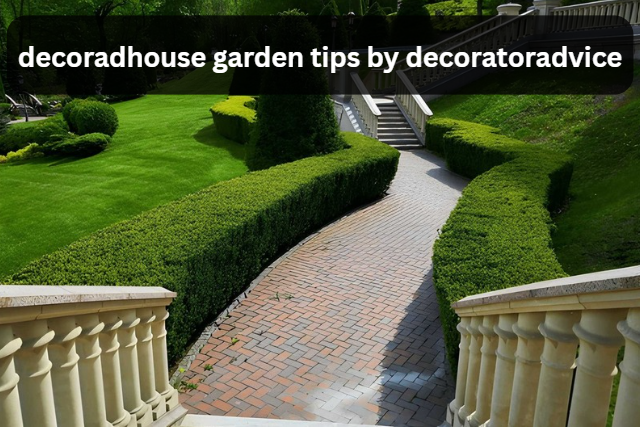
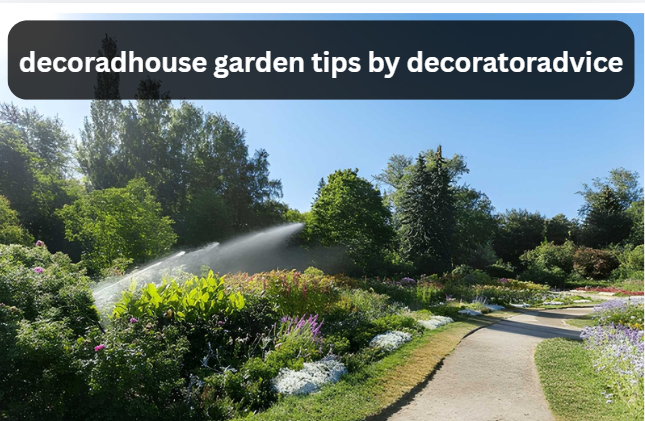
Native plants suited to your US region (check USDA hardiness zone data for your state) need less water, less fertilizer, and less intervention than ornamental imports. Pair them with drought-tolerant varieties like lavender, salvia, ornamental grasses, and succulents for a garden that survives dry summers without daily attention.
Mulch everything. A 2–3 inch layer of organic mulch around beds retains moisture, suppresses weeds, and feeds the soil as it breaks down.
3. Layer Your Outdoor Lighting
Outdoor lighting in 2026 is no longer about floodlighting the yard or stringing up fairy lights and calling it done. The Decoradhouse Garden Tips framework uses a three-layer approach:
| Layer | Type | Examples | Purpose |
| Ambient | Soft, wide-spread | Solar lanterns, wall sconces | Set the mood, overall visibility |
| Task | Directional | Path lights, step lights | Safety and navigation |
| Accent | Targeted | Uplighters, fire bowls, candle lanterns | Focal points, drama |
Solar tech in 2026 has genuinely improved. Good solar path lights and string lights no longer look cheap. Once the bones are in place, add accent lighting after starting with ambient and task lighting.
4. Give Every Garden a Focal Point
Without a focal point, a garden is just an assortment of plants. One strong anchor — a statement pot, a water feature, a sculptural tree, a well-placed bench — gives the eye somewhere to land and makes the whole space feel designed rather than assembled.
The focal point doesn’t need to be expensive. A large terracotta urn planted with a dramatic grass or a citrus tree does the job as well as a $3,000 water feature. What matters is placement: it should be visible from your primary seating area and from the main interior window that looks out on the garden.
5. Use Outdoor Rugs and Textiles Seriously
This is one of the fastest ways to make an outdoor seating area feel like a real room. An outdoor rug indicates that the place is intended for lingering, defines the area, and provides warmth underfoot.
For US climates, choose polypropylene or solution-dyed acrylic rugs — they handle moisture, UV, and foot traffic without fading or mildewing. Layer with outdoor cushions in weather-resistant fabrics and a throw for cool evenings.For more ideas on layering textiles and soft furnishings outdoors, decoration tips covers the full approach with room-specific examples.
6. Build an Edible Garden as a Visual Feature
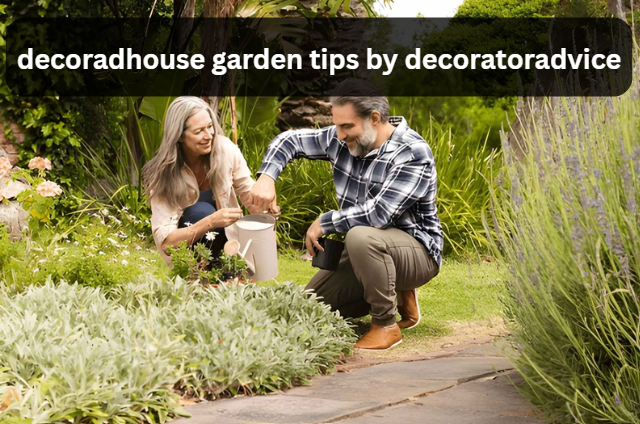
An edible garden pulls double duty: it looks good and produces food. This is one of the most satisfying applications of the Decoradhouse Garden Tips philosophy — the idea that every element in an outdoor space should earn its place.
Raised timber or Corten steel beds with good structure look intentional even when nothing is planted. Climbing vegetables on decorative obelisks, espaliered fruit trees against a fence, and ornamental herbs mixed with edibles (purple sage, variegated thyme) all add visual interest alongside practical yield.
7. Create a Dedicated Pollinator Corner
A pollinator-friendly patch doesn’t require a separate garden. A 4×4 foot corner planted with lavender, echinacea, native wildflowers, and a flat-topped herb like oregano or thyme in bloom can attract bees and butterflies within one season.
In this case, completely avoid using pesticides. Put some pebbles in a small dish of water so insects can land on it. The sound and movement of pollinators make a garden feel alive in a way no hardscape feature can match.
8. Invest in Furniture That Lasts the Weather
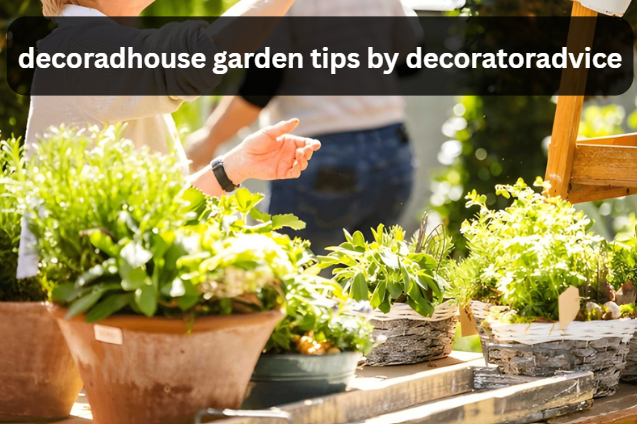
One of the most frequent financial mistakes made by homeowners is purchasing inexpensive patio furniture. Furniture that deteriorates in two seasons ends up costing more than quality pieces bought once.
For US outdoor conditions, the best-performing materials by climate are:
| Material | Best For | Avoid If |
| Teak | All climates | Budget-limited (premium price) |
| Powder-coated aluminum | Coastal/humid areas | Heavy-wind exposed areas |
| HDPE lumber | All climates, low maintenance | Traditional aesthetic preferences |
| Eucalyptus | Mild/moderate climates | Extreme cold climates |
| Cast iron | Dry climates, patios | Coastal salt air |
9. Add Vertical Interest
Most gardens are designed horizontally — beds along the ground, lawn in the middle. Vertical elements change the scale of the space and make it feel more enclosed, more private, and more layered.
Climbers on a trellis or pergola (wisteria, clematis, jasmine, climbing roses), tall ornamental grasses at the back of a border, stacked stone or timber planters, wall-mounted planters on a fence — all of these add height without taking floor space. In small gardens and urban patios, vertical is often the only direction available. Use it.
10. Maintain with a Seasonal Rhythm, Not Bursts
The single biggest reason gardens fall apart is uneven maintenance — nothing for months, then a panicked catch-up in spring. The https//decoratoradvice.com approach builds a light, regular rhythm instead.
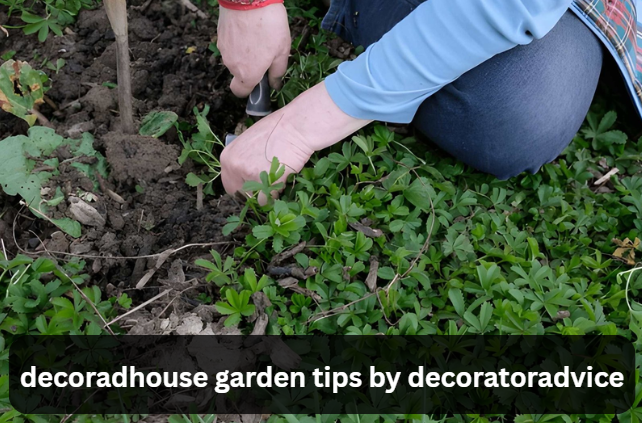
15–30 minutes per week handles most garden maintenance: deadheading, spot-weeding, checking irrigation, and a quick scan for pests. Add two bigger seasonal sessions (spring prep, late fall cutback) and the garden stays manageable year-round.For the latest updates on seasonal care, plant choices, and US-specific garden advice.
What These Tips Have in Common
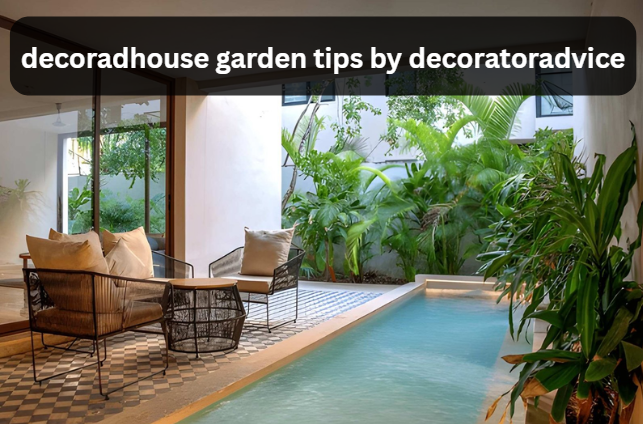
Every one of these Garden Tips points toward the same outcome: an outdoor space that’s genuinely usable, not just occasionally photographed.
The gardens that work best in 2026 are the ones designed for real life — for morning coffee, for kids, for dinner with friends, for the ten minutes of quiet you get on a weekday evening. Design toward that and the aesthetics follow.
FAQ:
What are the most important Garden Tips for beginners?
Start with zoning your space, choosing drought-tolerant native plants suited to your US region, and adding one strong focal point. These three steps create visible impact with low effort and low cost.
How do I make a small outdoor space look bigger?
Use vertical planting, a single outdoor rug to define the seating area, and mirrors or light-colored walls to reflect light. Avoid cluttering the ground level with too many small pots — one or two large containers look better than ten small ones.
What outdoor furniture materials last the longest in US climates?
Teak, powder-coated aluminum, and HDPE lumber are the most durable across varied US climates. Each handles moisture, temperature swings, and UV exposure better than wrought iron, wicker, or untreated wood.
How often should I water a drought-tolerant garden?
Newly planted drought-tolerant beds need regular watering for the first season while roots establish. After that, most need watering only during extended dry periods — typically once every 1–2 weeks in summer, depending on your region.
Where can I find more Decoradhouse garden advice?
Visit decoratoradvice com for the full library of garden and interior decoration guides, updated regularly with US-focused tips.

1 comment