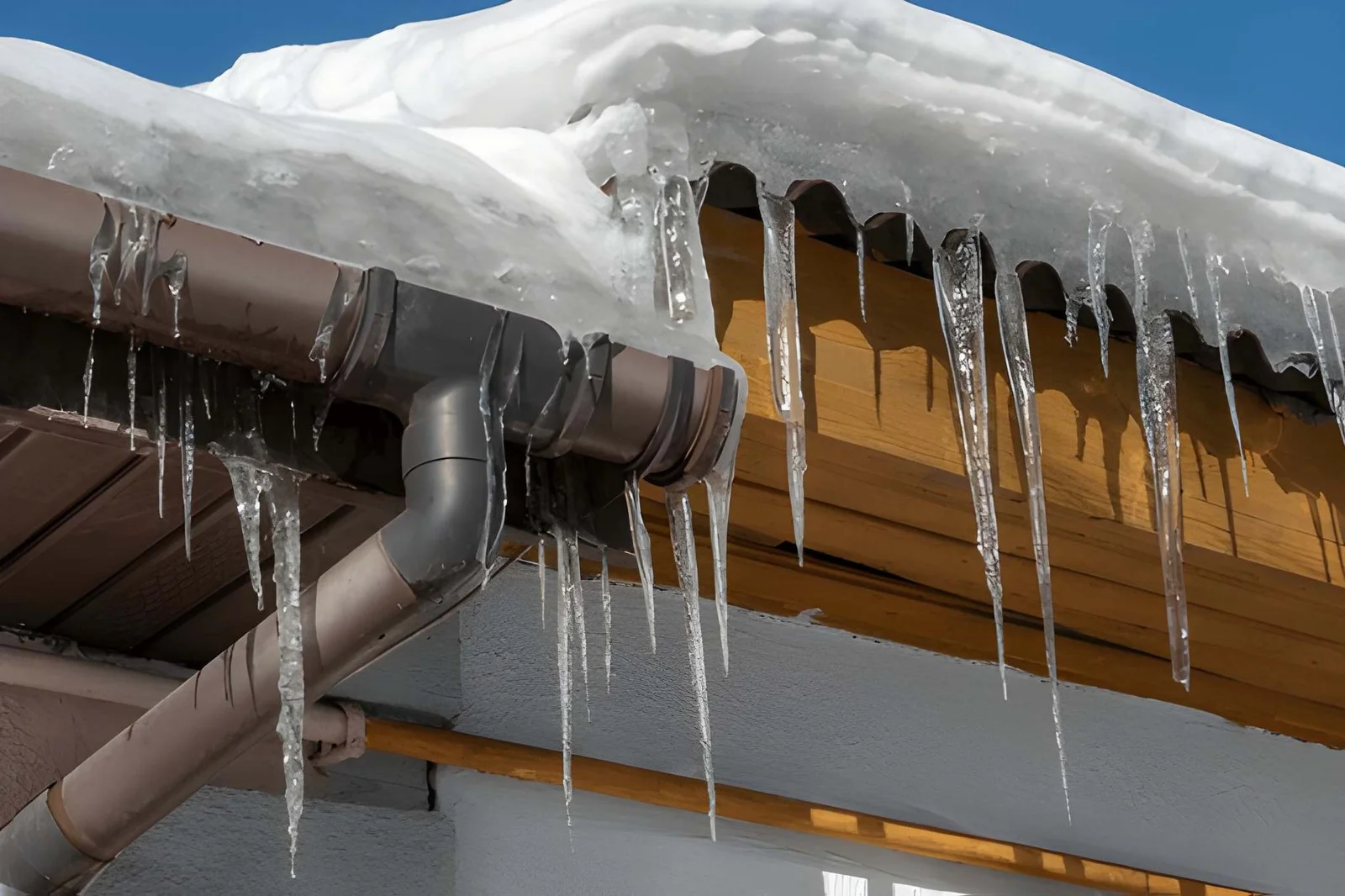
How Should You Prepare Outdoor Pipes for Freezing Weather?
A burst pipe rarely announces itself. You leave for work on a cold morning, the garden tap is quietly frozen solid, and by evening water is running through a wall you can’t see. Frozen water expands, and that pressure can split a pipe or fitting even when the ice looks harmless from the outside.
So how should you prepare outdoor pipes for freezing weather? The steps are simple, cheap, and best done before the first hard frost. This guide covers draining and shutting off outdoor lines, insulating exposed pipes, protecting hose bibs and sprinkler systems, and what to do if a pipe has already frozen. You’ll also see which temperatures call for action and which mistakes cause the most damage, including a few well-meant ones. The tables below summarize tasks, materials, and warning signs so you can work through them in an afternoon. Most of the jobs need basic tools, though some, like sprinkler blowouts, are better left to a professional.
How should you prepare outdoor pipes for freezing weather?
Prepare outdoor pipes by disconnecting and draining hoses, shutting off the indoor valve to outdoor taps, opening the tap to drain remaining water, and insulating exposed pipes. Drain irrigation systems before the first hard freeze. Add heat or let taps drip only for pipes you can’t drain.
What is the step-by-step routine?
| Step | Task | Why it matters |
|---|---|---|
| 1 | Disconnect and store garden hoses | A hose left attached traps water inside the tap |
| 2 | Shut off the indoor valve feeding each outdoor tap | Stops water from refilling the line |
| 3 | Open the outdoor tap to drain the pipe | Leaves less water to freeze |
| 4 | Close the tap once drained (if you have a frost-free spigot, check the manufacturer’s guidance) | Keeps the line sealed from cold air |
| 5 | Cover taps with insulated covers | Slows heat loss |
| 6 | Insulate exposed pipes in garages, crawl spaces, and outer walls | Cold spots freeze first |
Which insulation options work best?
| Material | Best for | Cost | Notes |
|---|---|---|---|
| Foam pipe sleeves | Straight runs of exposed pipe | Low | Easy to cut and fit |
| Foam tap covers | Outdoor taps | Low | Secure them snugly |
| Heat tape or heat cable | Pipes in very cold areas | Medium | Use products approved for the pipe type and follow the instructions |
| Fiberglass wrap | Awkward fittings | Low | Keep it dry |
| Sealing air gaps in walls and sills | Pipes near drafts | Low | Often overlooked, and it helps |
What about sprinklers and irrigation?
| System part | What to do |
|---|---|
| Backflow preventer | Shut off the supply, drain it, and insulate it |
| Sprinkler lines | Drain fully, or have a professional blow them out with compressed air |
| Timers and controllers | Switch to rain or off mode as directed |
| Above-ground valves | Cover them and drain if possible |
Compressed air work can be dangerous at the wrong pressure, so use a licensed irrigation or plumbing professional.
When do pipes actually freeze?
Risk rises when temperatures stay at or below about 20°F (-7°C) for several hours, though exposed pipes can freeze sooner in wind. Water pipes in unheated areas are at the highest risk.
| Condition | Risk level | Action |
|---|---|---|
| Near freezing for a short time | Low | Cover taps, drain hoses |
| Below freezing overnight | Medium | Insulate exposed pipes, let taps drip if needed |
| Several days of hard freeze | High | Drain outdoor lines, add heat to vulnerable areas |
What should you do if a pipe freezes?
| Sign | Response |
|---|---|
| No water or only a trickle | Suspect a frozen pipe |
| Frost on exposed pipe | Open the tap and warm the area gently |
| Bulging or cracked pipe | Shut off the main water valve and call a plumber |
Warm the pipe slowly with a hair dryer or warm towels. Never use an open flame, which is a serious fire risk.
Frequently asked questions
Should you let outdoor taps drip in freezing weather?
Dripping can help on exposed indoor pipes, but for outdoor taps it is better to drain and shut them off.
Do frost-free spigots need protection?
They are designed to resist freezing, but only if hoses are removed. A connected hose can still trap water.
How do you know where the main shutoff is?
Find it before winter. Typical spots are near the water meter, in a basement, or a utility room.
One last thought
I’d do this the same weekend you put the lawn chairs away. It takes about an hour, and nothing about a burst pipe is worth the gamble.
For outdoor pipe ideas for freezing weather must visit https://tipsbydecoratoradvice.com/https-decoratoradvice-com/

Post Comment