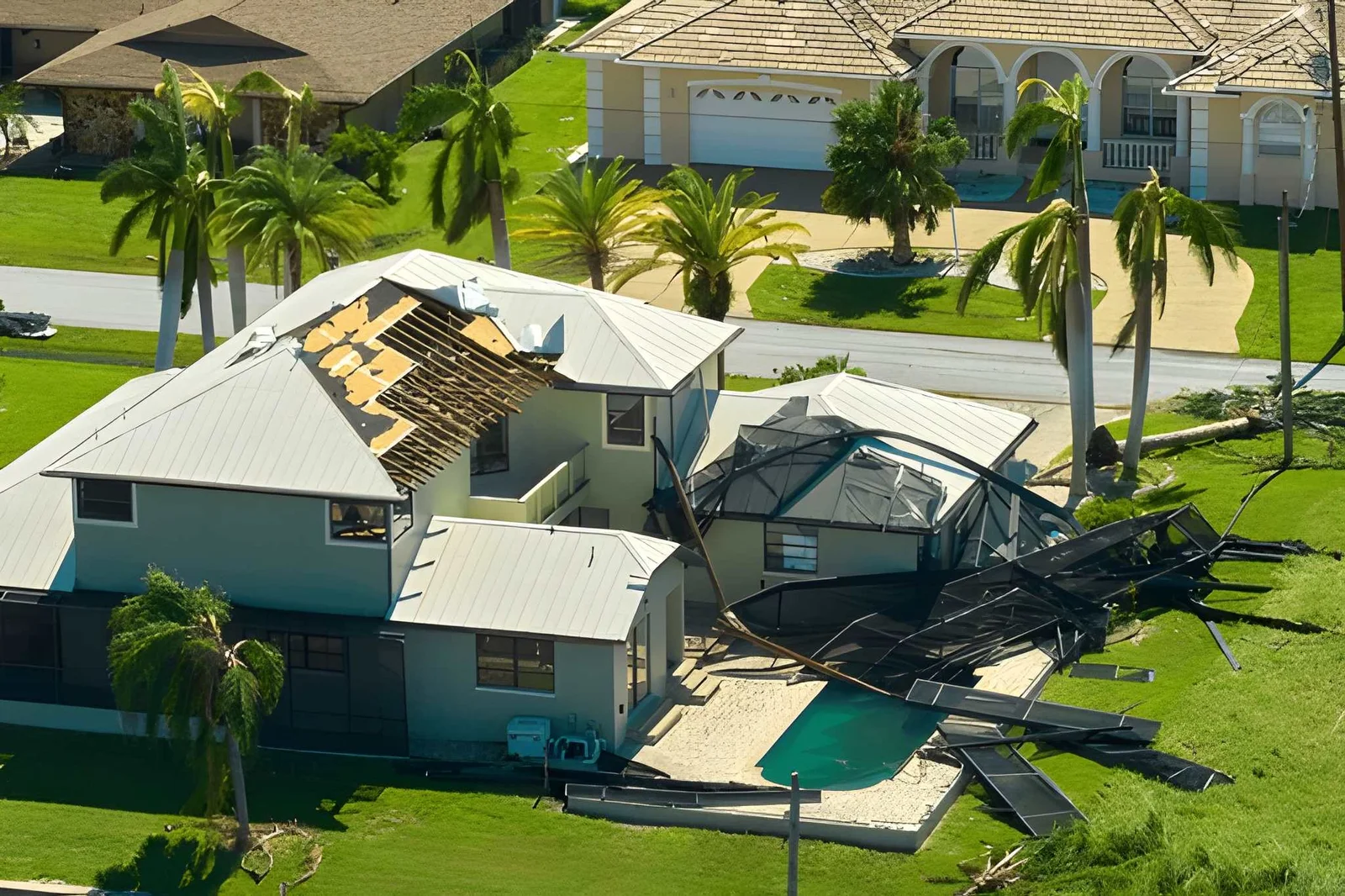
What Should You Inspect After a Severe Storm?
The wind stops, the rain fades, and the quiet afterward feels like relief. It’s also when the real damage tends to hide. A missing shingle, a cracked branch resting on a power line, or water seeping behind a wall may not show up until days later, and by then repairs are bigger and insurance claims are harder.
So what should you inspect after a severe storm? Start with safety, then work from the outside in: roof, walls, windows, yard, and finally the inside of the house. This guide gives you a safe order of inspection, the warning signs that matter, and the cases where you should stay out and call for help. You’ll also see what to photograph for insurance and which temporary fixes are worth doing right away. The tables below turn the advice into a checklist you can follow with a phone and a flashlight. Most checks take under an hour, and none require climbing onto the roof.
What should you inspect after a severe storm?
After a severe storm, first check for hazards like downed power lines, gas smells, and flooding. Then inspect the roof from the ground, gutters, siding, windows, trees, and the foundation. Inside, look for ceiling stains, damp walls, and electrical problems. Photograph everything before cleaning up.
What should you check before anything else?
| Hazard | What to do |
|---|---|
| Downed power lines | Stay far away and report them to the utility or emergency services |
| Gas smell | Leave the building and call the gas provider or emergency services from outside |
| Standing floodwater | Avoid it, since it can hide debris and electrical danger |
| Structural damage | Don’t enter if walls, floors, or the roof look unstable |
| Generator use | Run it outdoors, away from windows, to avoid carbon monoxide |
If anything on this list applies, stop and get help before continuing.
What should you inspect outside?
| Area | What to look for | Urgency |
|---|---|---|
| Roof (from the ground) | Missing, lifted, or cracked shingles; debris | High |
| Gutters and downspouts | Detached sections, blockages, dents | Medium |
| Siding and trim | Cracks, holes, loose panels | Medium |
| Windows and doors | Broken glass, damaged seals, warped frames | High |
| Chimney and vents | Leaning, cracks, missing caps | High |
| Trees and fences | Broken limbs hanging over the house, leaning trunks | High |
| Foundation | New cracks, pooling water | Medium |
Use binoculars for the roof. Climbing a wet or damaged roof is dangerous.
What should you inspect inside?
| Area | Warning sign | What it may mean |
|---|---|---|
| Ceilings | Stains, sagging, bubbling paint | Roof leak |
| Attic | Damp insulation, daylight through boards | Roof breach |
| Walls | Dampness, peeling paint, musty smell | Water intrusion |
| Floors | Warping, soft spots | Flooding or leaks |
| Electrical | Flickering lights, tripped breakers, burning smell | Wiring damage |
| Plumbing | Low pressure, discolored water | Pipe damage |
| Basement | Water, mold smell | Flooding or drainage failure |
Don’t use electrical devices or switches in wet areas. Turn off power at the main breaker only if you can do so safely and the panel is dry.
What should you photograph for insurance?
| Item | Why |
|---|---|
| Wide shots of each damaged area | Shows context |
| Close-ups of specific damage | Documents detail |
| Date-stamped photos or video | Supports your timeline |
| Receipts for emergency repairs | Needed for reimbursement |
| List of damaged belongings | Speeds up claims |
Take photos before moving anything, unless it’s unsafe to leave it.
Which temporary fixes are worth doing now?
| Problem | Temporary action |
|---|---|
| Roof hole | Cover with a tarp, ideally installed by a professional |
| Broken window | Board it up or use plastic sheeting |
| Water inside | Remove it quickly and run fans or a dehumidifier |
| Fallen branches | Clear only what you can move safely |
| Open exposure | Secure doors and windows to prevent theft |
Keep receipts. Temporary repairs are often reimbursable under insurance policies, but check yours.
When should you call a professional?
| Situation | Who to call |
|---|---|
| Gas smell or downed lines | Utility or emergency services |
| Structural concerns | A structural engineer or licensed contractor |
| Roof damage | A licensed roofer |
| Electrical issues | A licensed electrician |
| Water damage or mold | A water restoration specialist |
| Large fallen trees | A professional tree service |
Frequently asked questions
How soon should you inspect after a storm?
As soon as it is safe, ideally once the weather has passed and daylight is available.
Should you call your insurer before repairs?
Yes, report damage promptly and ask what documentation and temporary repairs they require.
Can you inspect the roof yourself?
You can check from the ground with binoculars. Leave climbing to professionals.
One last thought
If you do only one thing right away, take photos. Cleanup erases evidence quickly, and good documentation makes everything that follows easier.
For storm inspection ideas must visit https://tipsbydecoratoradvice.com/decoration-tips-decoradhouse-from-decoratoradvice/

Post Comment