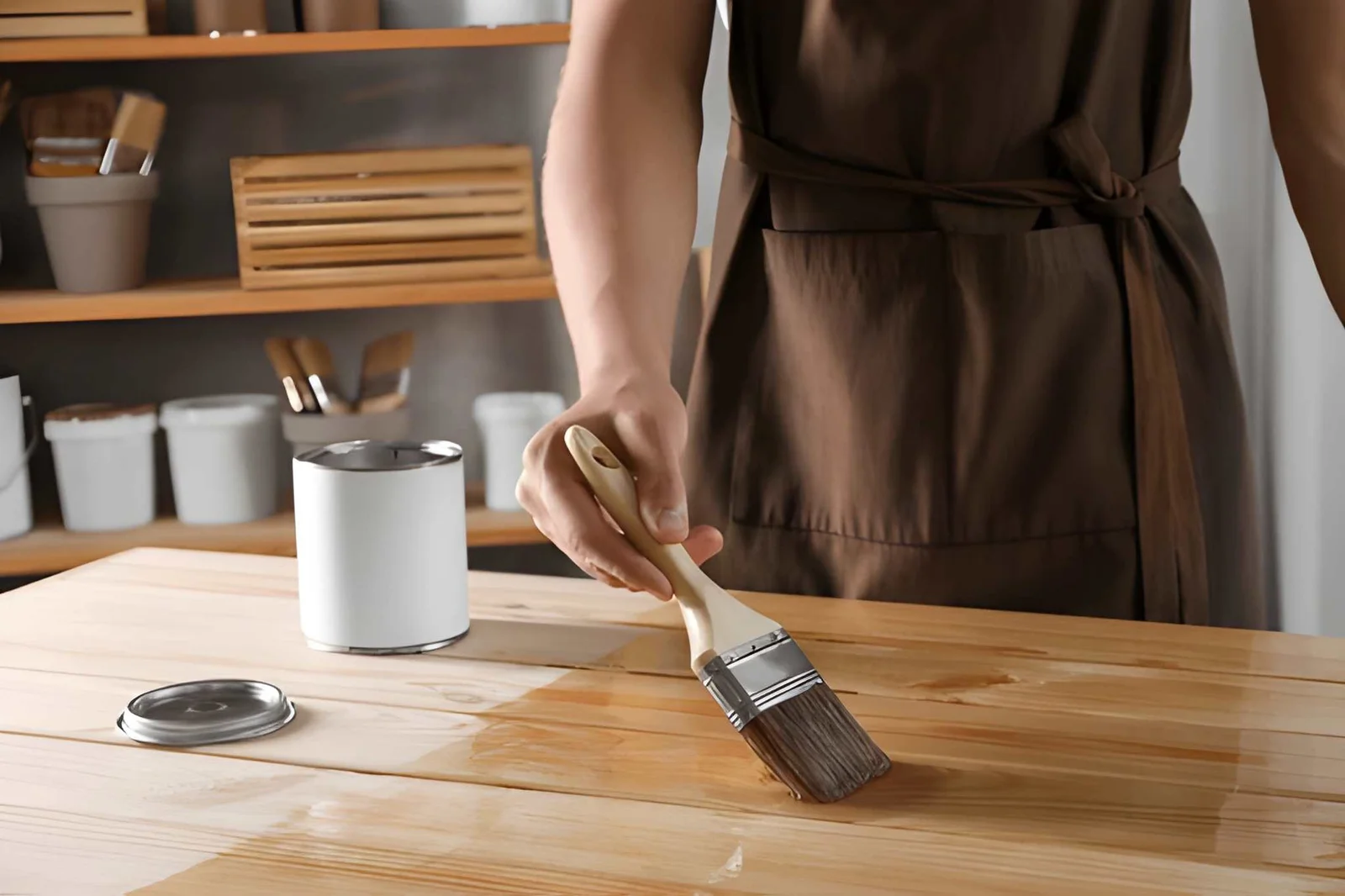
How Can You Protect Wooden Furniture From Seasonal Changes?
Wood never really stops moving. It swells when the air is humid and shrinks when the air is dry, which is why a dining table can be perfect in July and show a hairline crack by January. Drawers stick, joints loosen, and finishes turn cloudy, all because the room’s moisture level changed.
So how can you protect wooden furniture from seasonal changes? You manage humidity, heat, and sunlight, then maintain the finish so moisture can’t pass through unchecked. This guide covers the ideal indoor humidity range, where to place furniture, how to care for it in each season, and which warning signs need attention. You’ll also see how solid wood, veneer, and outdoor pieces differ. The tables below turn the advice into a simple routine. Most steps cost little and take minutes, and they can save you from repairs that cost far more than prevention.
How can you protect wooden furniture from seasonal changes?
Keep indoor humidity steady, ideally around 35% to 55%, and keep wooden furniture away from heaters, vents, radiators, and direct sun. Use a humidifier in dry months, a dehumidifier in humid ones, and maintain the finish with regular cleaning, wax, or oil suited to the piece.
What does each season do to wood?
| Season | Main risk | What to do |
|---|---|---|
| Winter | Dry indoor air from heating causes cracks and shrinkage | Use a humidifier and move furniture away from heat sources |
| Spring | Rising humidity causes swelling and sticking drawers | Ventilate rooms and monitor humidity |
| Summer | Humidity, sunlight, and fading | Use a dehumidifier or air conditioning and close curtains at midday |
| Autumn | Shifting temperatures and the first heating season | Check finishes and prepare for dry air |
What humidity should you aim for?
| Level | Effect on wood |
|---|---|
| Below 30% | Risk of shrinking and cracking |
| 35% to 55% | Generally safe range for most indoor furniture |
| Above 60% | Swelling, warping, and mold risk |
A small hygrometer shows your actual level. Recommendations vary slightly by source, so treat the range as a guide.
Where should you place wooden furniture?
| Location | Problem | Better choice |
|---|---|---|
| Next to a radiator or vent | Heat dries and cracks wood | Keep at least a few feet away |
| In direct sun | Fading and surface drying | Use curtains or UV-filtering film |
| Against an exterior wall in a damp room | Moisture absorption | Leave a gap for airflow |
| In a basement | High humidity | Use a dehumidifier |
| Near a fireplace | Heat and sparks | Maintain safe distance |
How should you care for the finish?
| Task | How often | Notes |
|---|---|---|
| Dusting | Weekly | Use a soft, dry cloth |
| Gentle cleaning | As needed | Use a lightly damp cloth, dry immediately |
| Wax or polish | A few times a year, depending on finish | Test a hidden spot first |
| Oil | Check the manufacturer’s advice | Suits some bare or oiled finishes |
| Coasters and mats | Always | Prevent rings and heat marks |
Avoid harsh chemicals and soaking the wood. Use products suited to the specific finish.
How do different types of wooden furniture compare?
| Type | Seasonal sensitivity | Care tip |
|---|---|---|
| Solid wood | Moves with humidity | Keep humidity steady |
| Veneer | Can bubble or peel in damp conditions | Avoid moisture and heat |
| Antiques | Often more fragile | Consult a conservator for valuable pieces |
| Outdoor furniture | Exposed to rain and sun | Seal, cover, or store in off-seasons |
What warning signs need attention?
| Sign | Possible cause | Action |
|---|---|---|
| Hairline cracks | Dry air | Raise humidity and monitor |
| Sticking drawers | Swelling | Reduce humidity |
| Cloudy finish | Moisture or heat | Wipe, dry, and consider refinishing |
| Warped tabletops | Uneven moisture | Consult a furniture restorer |
| White rings | Moisture trapped in the finish | Try gentle, finish-appropriate treatments |
| Musty smell or spots | Mold | Clean carefully and fix the moisture source |
What mistakes should you avoid?
- Using the heater on full blast near wood. It dries it quickly.
- Skipping humidity control. It matters more than polish.
- Overwatering with cleaners. Moisture can harm the finish.
- Ignoring early cracks. Small ones grow.
Frequently asked questions
What humidity is best for wooden furniture?
Roughly 35% to 55% is a common target for most homes.
Does a humidifier help in winter?
Yes, if indoor air is dry, though avoid pushing humidity too high, which can cause window condensation.
Can you protect outdoor wooden furniture?
Yes, with sealant, covers, and storage during harsh seasons.
One last thought
If I could only buy one thing, it would be a hygrometer. It’s inexpensive, and it shows you what your furniture is actually dealing with.
Must visit https://tipsbydecoratoradvice.com/decoration-tips-decoradhouse-from-decoratoradvice/ for protecting wooden furniture.

Post Comment