How Do Residential Septic Systems Differ From Municipal Sewer Connections?
Flush a toilet in a house on city sewer, and the wastewater leaves your property in seconds. Do the same in a house on a septic system, and it stays on your land, where your tank and soil treat it. That one difference changes who pays, who maintains, and what happens when something goes wrong. Many buyers learn it only after closing, when the first pump-out invoice arrives or a sewer line backs up. So how do residential septic systems differ from municipal sewer connections?
This article explains the practical differences in plain language for US homeowners. You will find a quick answer, a side-by-side table, a maintenance schedule for septic owners, a warning-sign guide, a buyer checklist, and the mistakes that cause costly repairs. It suits buyers, new builders, and anyone on a rural or suburban lot. Read the quick answer first, then use the sections that fit your property.
How Septic Systems and Municipal Sewer Connections Differ
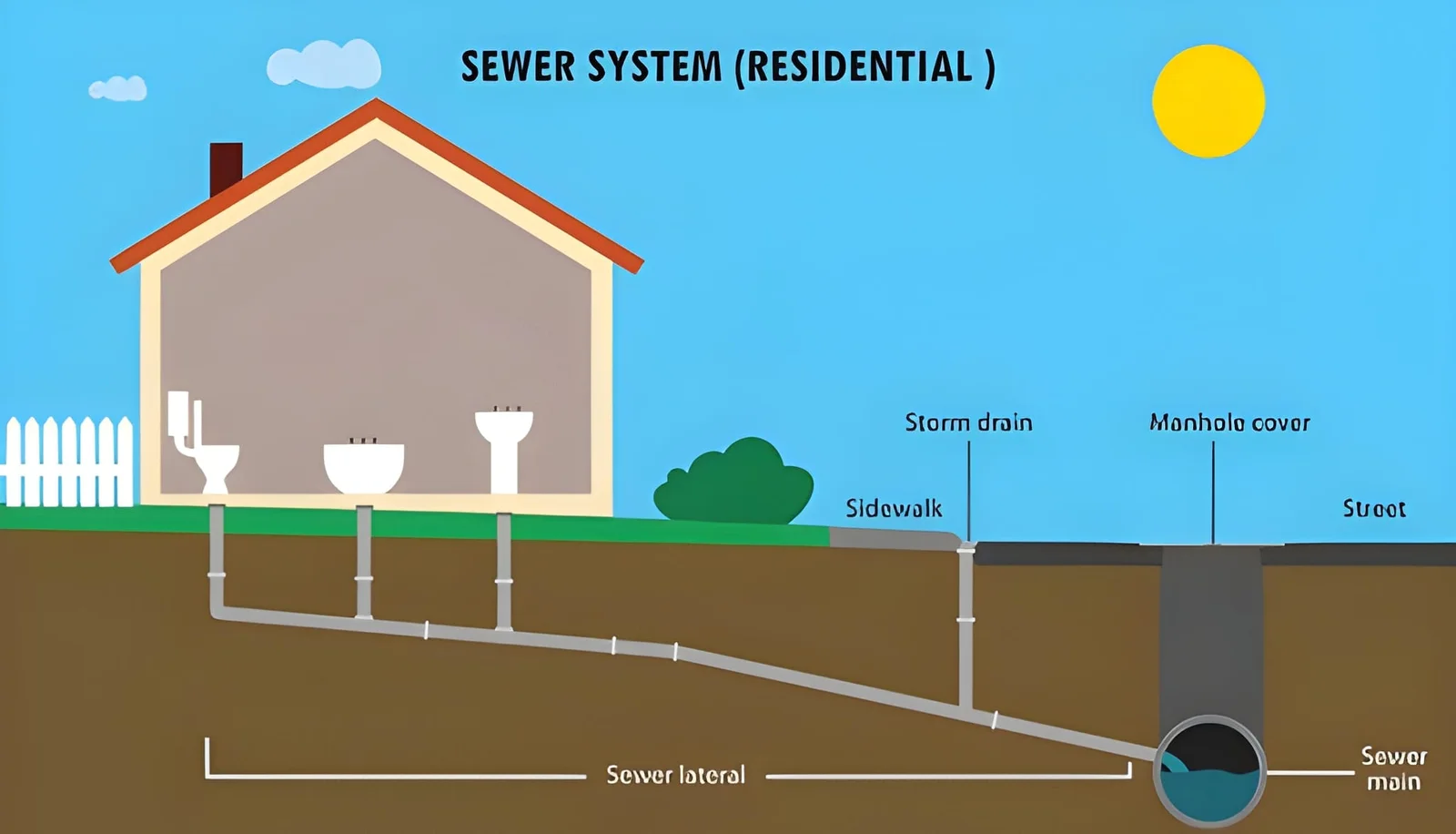
A septic system treats wastewater on your property, while a municipal sewer sends it through public pipes to a treatment plant. In a septic system, wastewater leaves the tank and is discharged into a drainfield for further treatment by the soil. More than 26 million US homes, about one in five households, depend on septic systems.
Side-by-Side Comparison
| Factor | Septic system | Municipal sewer |
|---|---|---|
| Treatment | On your property | At a public treatment plant |
| Ownership | You own and maintain it | City owns the main, you typically own the private lateral |
| Ongoing cost | Inspections and pumping | Regular sewer fees |
| Upfront cost | Install or replace the system | Connection fees where available |
| What goes down drains | Limited, since tank and soil are sensitive | Broader, but wipes and grease still cause clogs |
| Failure impact | Backups, wet yard, groundwater risk | Backups, sometimes from the main |
| Sale | System condition matters | Sewer status is usually simpler |
Ownership rules vary by city, so ask your utility where your responsibility ends.
Septic Maintenance Schedule
Routine maintenance is the responsibility of the property owner, and renters are responsible for proper use of the system.
| Task | Typical interval |
|---|---|
| Professional inspection | Every 1 to 3 years |
| Tank pumping | Every 3 to 5 years, or when solids reach about two-thirds of the tank volume |
| Alternative systems with pumps or parts | Often inspected once a year |
| Records | Keep every receipt and report |
Local health departments may set different rules.
Everyday Habits That Differ
Septic systems need gentler use. Avoid pouring fats, grease, and solids down the drain, spread laundry across the week, and keep vehicles and heavy structures off the drainfield. Skip drain cleaners and chemicals where possible. On city sewer, you still avoid wipes, grease, and anything that clogs, but the system tolerates more water and variety.
Warning Signs
| Sign | Septic | Sewer |
|---|---|---|
| Slow drains throughout the house | Possible full tank or drainfield problem | Possible line blockage |
| Gurgling or odors | Tank or vent trouble | Lateral or main problem |
| Soggy or unusually green ground | Drainfield failure | Rare |
| Backup in the lowest drain | Overloaded system | Blocked main or lateral |
If you see warning signs, stop heavy water use and call a licensed professional.
Buyer Checklist
- Ask which system the house uses, and request records.
- Hire an inspector to open and evaluate the septic tank and drainfield.
- Locate the drainfield and check nothing is built over it.
- Consider a camera inspection of the sewer lateral.
- Ask about local transfer rules, since some areas require septic inspections at sale.
Mistakes to Avoid
The most common mistake is skipping pumping and inspection. Another is flushing wipes, grease, or chemicals. Parking or building on a drainfield is a third error. Ignoring slow drains is common. Finally, don’t assume sewer means no maintenance.
FAQ
Which is cheaper?
It depends on connection fees, repairs, and local rates.
Can I switch from septic to sewer?
Sometimes, if sewer service is available. Ask your utility.
Bottom Line: Septic Means Owner Responsibility, Sewer Means Shared Responsibility
Residential septic systems differ from municipal sewer connections in who treats and maintains wastewater. Septic owners handle inspection, pumping, and careful use, while sewer customers pay fees and manage their lateral. Know which system you have, keep records, and inspect before you buy.
For septic and sewer system ideas must visit https://tipsbydecoratoradvice.com/

Post Comment