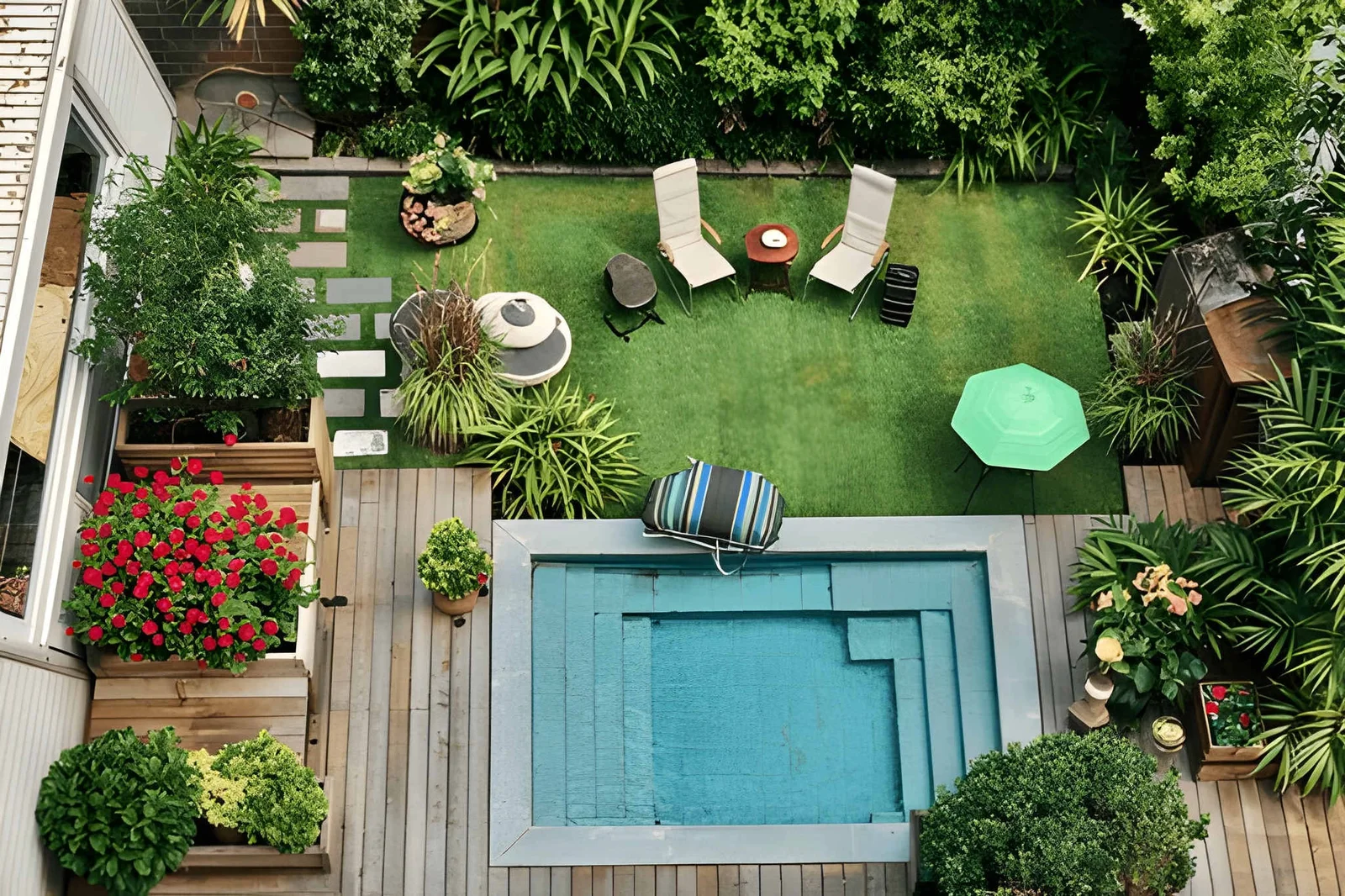
Could Backyard Renovation Decoradyard Transform Your Backyard Forever?
Most backyards in the US are used about 10% as much as they could be. Not because the space isn’t there, but because the space hasn’t been designed for use. A lawn that requires mowing but provides no reason to sit in it. A patio that’s too small for the furniture placed on it. No shade, no lighting, no defined areas for cooking or gathering or quiet. The backyard exists — it just doesn’t invite anyone into it.
A genuine backyard renovation changes that permanently. Not a weekend of buying outdoor furniture and calling it done, but a considered redesign of how the space is structured, what it’s designed for, and what it needs to function across different seasons and different types of use. Done well, a backyard renovation adds significant property value, creates an outdoor living space as functional and comfortable as any room inside the home, and changes how the whole property feels from both inside and outside.
This guide covers what a backyard renovation actually involves, which elements produce permanent transformation versus temporary improvement, realistic costs at different scope levels, the sequencing decisions that determine whether a project succeeds, and the specific features worth investing in versus the ones that look appealing but underdeliver in real use.
What Separates a Real Backyard Renovation From a Surface Refresh
The distinction matters because the investment, timeline, and results are entirely different. Understanding the difference helps you plan at the right level for what you actually want.
| Project Type | What It Involves | Typical Cost | Expected Longevity |
|---|---|---|---|
| Surface Refresh | New furniture, plants, accessories | $500–$3,000 | 2–5 years |
| Soft Renovation | New planting beds, sod, fencing, basic patio | $3,000–$15,000 | 5–10 years |
| Mid-Level Renovation | Hardscape, pergola, outdoor kitchen rough-in | $15,000–$40,000 | 10–20 years |
| Full Backyard Renovation | Complete redesign, all hardscape, built structures | $40,000–$100,000+ | 20+ years |
| Luxury Outdoor Living | Pool, full kitchen, entertainment systems, lighting | $100,000–$300,000+ | Lifetime |
The permanent transformation most homeowners are looking for typically starts at the mid-level renovation — where hardscape, structure, and designed planting work together to create a space that functions independently of what furniture or accessories are placed in it.
What a Backyard Renovation That Lasts Actually Requires
1. Hardscape Before Softscape
The sequencing mistake most backyard renovations make is planting before paving — or worse, laying a patio and then realizing the drainage doesn’t work, the grade is wrong, or the dimensions don’t accommodate the furniture arrangement that was intended. Hardscape is the foundation of any backyard renovation that delivers permanent results, and it needs to come first.
Hardscape includes all permanent hard surfaces: patios, walkways, retaining walls, steps, edging, and structural foundations for pergolas or shade structures. Getting these right requires proper grading for drainage, the right base preparation for the material chosen, and dimensions planned around real furniture rather than hypothetical arrangements.
A patio too small for the table and chairs intended for it is one of the most common backyard renovation disappointments — and it’s entirely avoidable with accurate planning before any ground is broken. The rule that consistently works: build the patio 25–30% larger than you think you need. Outdoor furniture is larger than most people account for, and leaving room to move around it comfortably requires more square footage than the furniture dimensions alone suggest.
2. Shade as a Structural Investment
A backyard without shade is a backyard used in the morning and abandoned by noon. This is the functional failure that turns the most investment-heavy backyard renovation into a space that looks beautiful from the kitchen window and gets used primarily for lawn mowing.
The shade structures worth investing in during a backyard renovation are permanent or semi-permanent: a wood or aluminum pergola, a shade sail on structural posts, an attached covered patio roof, or a freestanding pavilion. These structures integrate with the renovation rather than being placed on top of it, and they provide the kind of shade that actually makes an outdoor space usable across the hottest months of the year.
The investment math is straightforward: a pergola that costs $8,000–$20,000 installed transforms a patio into a room. The same patio without shade is usable for roughly four hours on a summer day. With proper shade it’s usable from morning through evening. That multiplier — in actual hours of use — justifies the cost faster than most homeowners expect.
3. An Outdoor Kitchen or Cooking Zone
The feature that most consistently increases how often a backyard is actually used is a cooking zone — whether that’s a built-in outdoor kitchen with a grill, refrigerator, and counter space, or a simpler permanent grill station with a prep surface and storage. The ability to cook outside without carrying things back and forth from the indoor kitchen removes the friction that keeps most outdoor dining from happening spontaneously.
A full outdoor kitchen in a backyard renovation runs $10,000–$50,000 depending on appliances and materials. A built-in grill station with countertop and storage runs $3,000–$10,000. Even a simple permanent structure with a countertop and a mounted grill at $1,500–$3,000 outperforms a freestanding cart in terms of how often the outdoor space gets used for meals.
The materials that hold up best in outdoor kitchen environments: stainless steel for appliances and surfaces, concrete or porcelain tile for countertops, powder-coated aluminum or stainless for cabinetry frames. Natural stone on vertical surfaces. Avoid wood cabinetry that isn’t specifically rated for exterior exposure — it degrades faster than most homeowners expect regardless of how it’s sealed.
4. Lighting That Extends Evening Use
Backyards without lighting stop functioning at sunset. The backyard renovation investment that extends daily use by four to six hours is a proper lighting plan — not string lights zip-tied to a fence, but a layered system that provides ambient coverage, task lighting for cooking and dining, and accent lighting that makes the space feel designed after dark.
The lighting layers that work together in a successful backyard renovation: path and step lighting for safety and boundary definition, uplighting aimed at trees or architectural features for drama and ambiance, pendant or overhead lighting over dining and gathering areas, and task lighting at the cooking zone. All on separate circuits so intensity can be adjusted for different uses and times of evening.
Low-voltage LED systems are the practical choice for most backyard renovations: energy-efficient, long-lasting, and flexible enough to be expanded as the renovation develops. Smart lighting integration — controlled via phone — adds the convenience that makes elaborate lighting systems actually get used rather than left on one setting permanently.
5. Planting for Privacy and Structure
A backyard renovation without a planting strategy produces a hardscape project surrounded by unaddressed lawn. The planting decisions that make the permanent difference in how a renovated backyard feels are structural ones: trees and large shrubs that provide privacy screening, define the boundaries of outdoor rooms, add shade over time, and give the renovation a sense of maturity that’s impossible to fake with accessories.
The planting approach with the best long-term results for a backyard renovation: privacy screening along property lines with fast-growing evergreens where immediate results are needed, deciduous trees positioned for summer shade and winter light, planting beds that frame hardscape edges and soften the transition between built and natural elements, and ground cover in areas where lawn maintenance is undesirable.
Lawn is the most maintenance-intensive backyard element per square foot and often the least used. Every backyard renovation worth calling permanent reduces lawn area in favor of hardscape, planting beds, or alternative ground cover — all of which require less maintenance and contribute more to the overall function and appearance of the space. The right planting plan for your backyard renovation considers privacy, seasonal interest, maintenance requirements, and how the planting interacts with the hardscape it surrounds.
Backyard Renovation ROI by Feature
| Feature | Average Installation Cost | Estimated Property Value Add | Payback Period |
|---|---|---|---|
| Patio/Hardscape | $5,000–$20,000 | 80–90% of cost | Immediate use value |
| Pergola/Shade Structure | $8,000–$25,000 | 50–80% of cost | 2–5 years |
| Outdoor Kitchen | $10,000–$50,000 | 100–130% in right markets | 3–7 years |
| Landscape Lighting | $3,000–$10,000 | 50–75% of cost | Immediate use value |
| Privacy Planting | $2,000–$8,000 | 70–100% of cost | 3–5 years |
| Pool | $40,000–$100,000+ | 40–70% in most markets | Market dependent |
| Irrigation System | $3,000–$8,000 | Full cost recovery typical | 5–10 years |
FAQ
What is the best first step in a backyard renovation?
Grading and drainage assessment before any other decision. A backyard renovation built on improperly graded ground or with inadequate drainage fails regardless of what’s placed on top of it. Get the grade right first, then design hardscape, then structures, then planting.
How long does a full backyard renovation take?
A mid-level renovation — hardscape, shade structure, basic planting — typically takes four to twelve weeks depending on contractor availability and material lead times. Full backyard renovations with pools, outdoor kitchens, and extensive planting run three to eight months. Planning and design before breaking ground adds one to three months to any timeline.
Does a backyard renovation add value to a home?
Yes, reliably — though the amount varies by market and scope. Outdoor kitchens and quality hardscape in markets where outdoor living is valued year-round return 100% or more of cost in some areas. In markets with short outdoor seasons, the value add is more modest. The use value — how much more the space is enjoyed daily — is consistent regardless of market.
What backyard renovation features have the best return on investment?
Quality hardscape, outdoor cooking capability, and adequate shade consistently produce the strongest combination of property value increase and actual use increase. Pools produce strong returns in specific markets and buyer demographics but add ongoing maintenance costs that offset the value add over time.
Should I hire a landscape architect for a backyard renovation?
For renovations over $20,000, a landscape architect or designer typically pays for themselves through better planning, avoided mistakes, and a result that holds its value longer. For smaller projects, a landscape contractor with a strong portfolio and solid references can execute without a separate design professional.
Bottom Line
A backyard renovation that transforms your outdoor space permanently isn’t a purchase — it’s a sequence of designed decisions made in the right order. Hardscape before softscape. Shade before furniture. Cooking capability before accessories. Lighting before landscaping. Structural planting before decorative planting.
Get that sequence right with adequate investment at each stage and the result is an outdoor space that functions as a genuine extension of your home — used daily rather than admired occasionally, comfortable across more hours and more seasons than an undesigned backyard ever manages, and worth significantly more than what it cost to create. The backyard you’ve been imagining is achievable. It just requires treating the renovation as a design project rather than a shopping trip.
For more backyard renovation must visit https://tipsbydecoratoradvice.com/

Post Comment