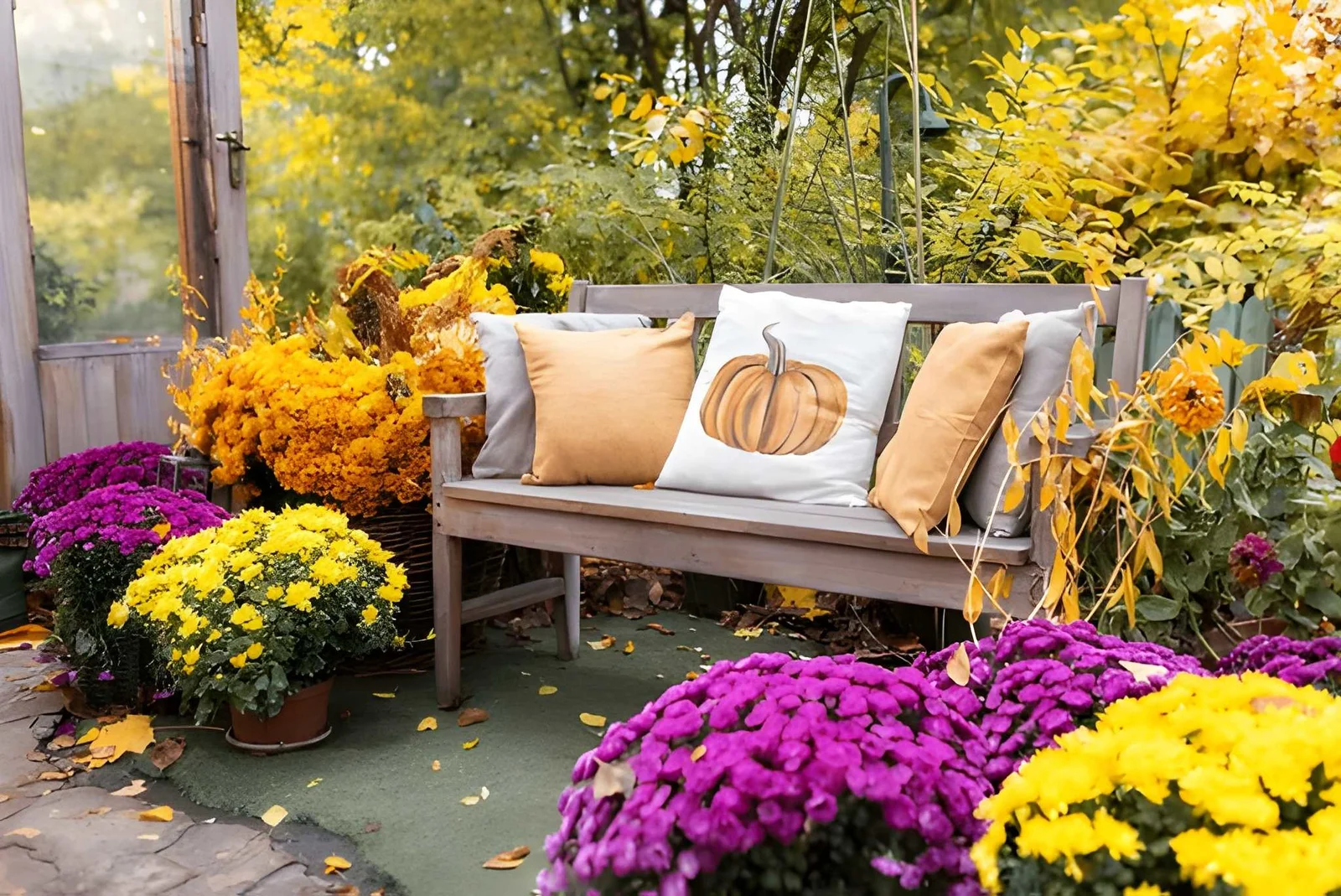
What Makes Garden Ornaments Attractive?
Most gardens have one thing people remember. It might be a mossy stone bird bath at the end of a path, a rusted metal sphere among grasses, or a plain ceramic pot glowing in late sun. It is rarely the most expensive item. It is the one that sits in the right place, at the right size, in the right material. So what makes garden ornaments attractive?
The answer is less about the object and more about its relationship with the space around it. A good ornament gives the eye a place to rest, adds a different texture to the plants, and often gets better with weather. This article explains the factors that make garden ornaments work and how to choose them without cluttering your yard. You will find a quick answer, a table of attractive qualities, a material guide, a placement chart, a simple selection method, and the mistakes that make ornaments look random. It suits small patios and large gardens alike. Read the quick answer first, then use the sections that fit your space.
What Makes Garden Ornaments Attractive?
Garden ornaments are attractive when their scale, material, and placement suit the garden. A good piece contrasts with plants in form or texture, repeats a color or shape elsewhere, and sits where the eye naturally pauses. Natural materials that age well, such as stone, terracotta, and metal, often look better over time.
The Qualities That Make an Ornament Work
| Quality | What it means | Example |
|---|---|---|
| Right scale | Large enough to read, not so large it dominates | Tall urn at a path end |
| Contrast | Differs from the planting in form or texture | Smooth sphere among feathery grasses |
| Material honesty | Looks like what it is | Real stone, not glossy plastic |
| Weathering | Gains character with age | Patina on copper or bronze |
| Repetition | Echoed once elsewhere | Matching pots at two corners |
| Purpose | Adds interest or function | Bird bath, sundial, water bowl |
Contrast does the most work. A rounded stone beside spiky leaves draws the eye, while a green plastic frog among green foliage disappears.
Choosing Materials
| Material | Look | Care note |
|---|---|---|
| Natural stone | Solid, timeless | Heavy, moss adds charm |
| Terracotta | Warm, classic | Can crack in hard frosts |
| Weathering steel | Rusted, modern | Can stain paving as it ages |
| Copper and bronze | Develops green patina | Slow to age, long lasting |
| Concrete | Plain, sculptural | Seal for wet climates |
| Glazed ceramic | Bold color | Check frost resistance |
| Wood | Rustic, soft | Rots without treatment |
If you want pieces in a matching style, you can browse [anchor text] to compare finishes before buying. Climate matters, so ask the supplier whether a piece survives frost, heavy rain, or strong sun in your area.
Where to Place Garden Ornaments
Placement decides whether an ornament looks planned. Think about where people stand and where they look.
| Location | Why it works | Good choices |
|---|---|---|
| End of a path | Gives the walk a destination | Urn, bench, sculpture |
| Center of a bed | Creates a focal point | Sundial, tall planter |
| Beside a doorway | Welcomes visitors | Matching pots |
| In a gap in planting | Rewards discovery | Small sculpture, bird bath |
| Beside water | Reflects light | Stone lantern, bowl |
| Near seating | Gives a close view | Small, detailed pieces |
Odd numbers tend to feel natural, so groups of three often work well. Keep at least one clear sightline free, so the ornament has space around it.
A Simple Selection Method
- Walk the garden. Note where your eye pauses or where a view feels empty.
- Decide the job. Focal point, accent, or function.
- Measure the space. Check height and width before shopping.
- Choose by contrast. Pick a form or texture the planting lacks.
- Test before fixing. Place a box or stand-in in the spot for a few days.
- Repeat once. Echo the color or material somewhere else.
Make Them Look Established
New ornaments can look stiff. Sink bases slightly, surround them with planting, and let moss or patina form. Avoid placing a piece in the exact center of a lawn, since it can look stranded. Soften edges with low plants such as thyme, lavender, or ferns. Group an ornament with a plant that echoes its color, and the pair will look planned.
Safety and Practical Checks
Heavy pieces need a firm, level base so they do not tip. Keep ornaments away from children’s play areas unless secured. Check that tall items are stable in wind. If a piece holds water, empty it in freezing weather to avoid cracking.
Mistakes That Make Ornaments Look Random
The most common mistake is buying on impulse, with no plan for the space. Scale is next: a tiny figure in a large bed vanishes, and an oversize statue in a small yard overwhelms it. Mixing too many styles also confuses the eye, so choose one theme. Overcrowding spoils the effect, since garden ornaments need breathing room. Finally, avoid shiny, brightly colored plastic, which clashes with natural materials.
FAQ
How many garden ornaments should I have?
Fewer than you think. One or two focal pieces per area is usually enough.
What suits a small garden?
Compact, vertical pieces such as a tall pot, a wall-mounted piece, or a small bird bath.
Do garden ornaments need maintenance?
Light cleaning and occasional sealing. Weathered finishes need little care.
Can I use indoor decor outside?
Only if it is made for outdoor use. Indoor items often crack or fade.
Bottom Line
Garden ornaments are attractive when they suit the scale of the space, contrast with the planting, use honest materials, and sit where the eye rests. Test placement before committing, repeat a color or shape once, and let weather add character. A few well-chosen pieces beat a crowded garden.
Must visit https://tipsbydecoratoradvice.com/ for attractive garden ornaments ideas.

Post Comment