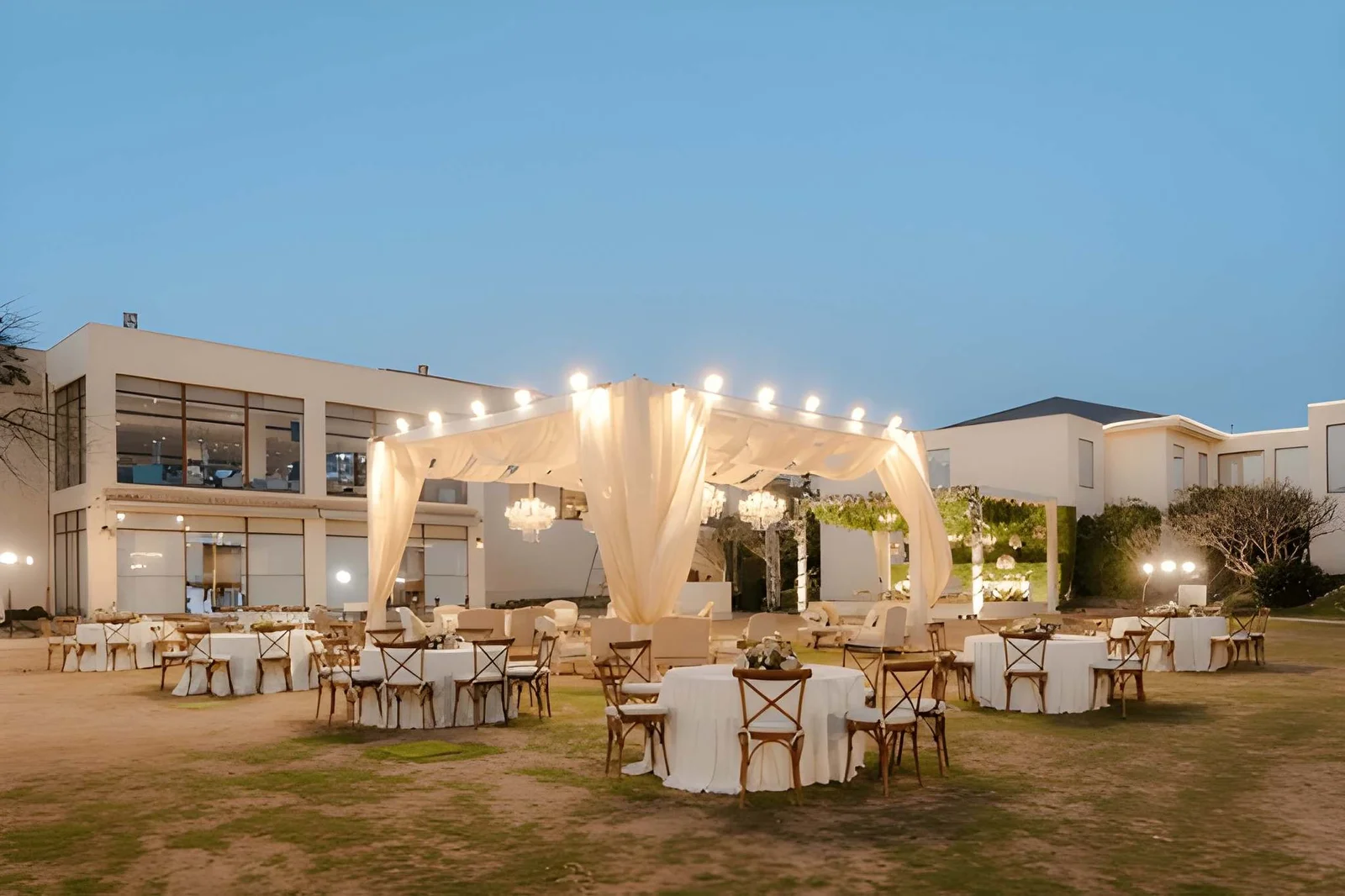
What Makes Outdoor Events Look Magical?
There are outdoor events that people talk about for years. The dinner party in the backyard where the lighting made everything glow. The garden celebration that felt like stepping into a different world. The casual gathering that somehow felt more special than events ten times its budget because every element was in conversation with every other element and the whole thing cohered into something that felt genuinely magical.
And then there are outdoor events that were perfectly fine — well-organized, adequately catered, appropriately decorated — and completely forgettable within a week.
The difference between these two outcomes isn’t primarily money, though budget plays a role. It’s design thinking applied to specific elements that most hosts either overlook or underestimate: the quality of light after dark, the sensory layering that makes a space feel immersive rather than decorated, the moment of arrival that sets the experience’s emotional tone before anyone has found their seat. These are learnable design decisions, and this article names them precisely — for US homeowners who want their outdoor events to produce the magical quality that people remember long after the food has been forgotten.
Why Certain Outdoor Events Feel Magical When Others Don’t
The magical quality of outdoor events is a perceptual phenomenon — it’s what happens when multiple sensory inputs simultaneously exceed everyday experience in ways that the brain registers as extraordinary. A single elevated element (beautiful food, good music) doesn’t produce magic. Multiple elevated elements working together do.
Environmental psychologists describe this as “peak experience” — a moment where the environment, social connection, and sensory richness combine to produce an emotional response that exceeds ordinary pleasurable experience. The design task for outdoor events is to create conditions where peak experience is more likely — through specific, manageable decisions about light, atmosphere, scale, and sensory detail.
| Design Element | Average Outdoor Event | Magical Outdoor Event |
|---|---|---|
| Lighting | Adequate — visible and functional | Atmospheric — warm, layered, creates mood |
| Entry experience | Practical — path to event | Intentional — signals “this is special” immediately |
| Seating arrangement | Functional — fits everyone | Considered — creates social zones and intimacy |
| Table design | Set — plates, glasses, centerpiece | Composed — layers of material, light, and organic life |
| Sound environment | Background noise or music | Curated — music at right volume, natural sounds preserved |
| Scent | Unaddressed | Intentional — flowers, food, fire, or candles |
| Transitions | Abrupt — one area to next | Gradual — spaces blend or reveal progressively |
The Specific Elements That Create Magical Outdoor Events
Lighting: The Single Most Transformative Element
Every outdoor event designer, wedding planner, and event stylist interviewed about what makes outdoor events magical names lighting first. Not because it’s the only important element but because it’s the variable with the highest leverage — the one that changes everything else when it’s done correctly.
The lighting quality that creates magic in outdoor events is warm, layered, and at human scale — the opposite of the functional outdoor lighting most residential properties have. String lights overhead. Candles at table level. Lanterns along pathways. Fire in a pit or fireplace. These multiple light sources at different heights create the contrast — bright pockets against receding darkness — that the brain processes as dramatic, atmospheric, and beautiful.
The specific effect: warm light at human scale makes faces look their best, food look most appealing, and the surrounding darkness feel like a frame for the illuminated space rather than an absence. This is why outdoor events held at twilight and into the evening consistently outperform those held exclusively in daylight — the darkness becomes a design element.
| Lighting Type | Height | Warmth | Effect on Outdoor Events |
|---|---|---|---|
| String lights (overhead canopy) | Above head height | Very warm (2200–2700K) | Creates ceiling, defines space, most magical single addition |
| Pillar candles on tables | Eye level when seated | Warm — flame | Intimate, social — faces lit beautifully |
| Lanterns along pathways | Ground to knee height | Warm | Journey quality — arrival and movement defined |
| Fire pit or fireplace | Ground level | Warm — flame | Gathering point, movement, primal attraction |
| Uplighted trees or plants | Ground, directed up | Warm (2700K LED) | Drama and scale — landscape becomes theatrical |
| Fairy lights in trees/bushes | Variable | Very warm | Stars brought to ground level — magical directly |
The Entry Experience: Setting the Emotional Tone Before Anyone Arrives
The most underdesigned element in most outdoor events is the approach — the experience from the street or front door to the event space itself. Most hosts focus entirely on the destination (the table, the seating area, the focal event space) and leave the journey to chance.
Magical outdoor events typically have a deliberate entry sequence that shifts the emotional register from everyday to exceptional before guests have seen the main event. A lantern-lit pathway through a garden. Floral arrangements at the threshold. A first glimpse of candlelit tables through an archway or gate. The sound of music just audible before the space becomes visible. Any of these creates an arrival moment that tells guests: this is different from ordinary life.
The principle is narrative — outdoor events that feel magical have a story that begins at arrival and builds through the evening. The entry is the opening line. It needs to set the tone that everything that follows will sustain.
Table Design: The Space Where Guests Spend the Most Time
For seated outdoor events, the table is where guests spend the majority of their time and where design investment produces the most sustained return. The difference between a table that’s set and a table that’s composed is the difference between adequate and memorable.
A composed table for outdoor events layered materials at different heights: linen or texture at the base, tableware that has visual weight and character, candles or low floral arrangements that don’t block sightlines, a mix of heights and textures that rewards examination from seated position.
| Table Element | Minimal Approach | Magical Approach |
|---|---|---|
| Table covering | Single cloth, one color | Layered — base cloth + runner + individual textiles |
| Centerpiece | Single floral arrangement | Multiple elements — florals + candles + organic material |
| Candles | Taper candles (standard) | Pillar candles at varied heights + votives for warmth |
| Place settings | Standard — plate, glass, cutlery | Added individual detail — card, small object, herb sprig |
| Natural material | None | Fresh herbs, leaves, fruit, moss, stone as table elements |
| Height variation | Flat — everything at table level | Varied — some elements elevated, some at table surface |
The Sensory Layers Beyond Vision
Outdoor events that feel truly magical are almost always multi-sensory experiences — not just visually considered but addressing scent, sound, and touch in ways that reinforce the visual atmosphere.
Scent: The most powerful memory trigger available to event design — and the most consistently overlooked. Fresh flowers with actual fragrance (garden roses, lavender, jasmine, sweet peas) rather than purely visual flowers. Wood smoke from a fire pit. Herbs crushed underfoot on a pathway. The scent of food cooking over an open flame. Each of these contributes to the sensory immersion that distinguishes a memorable event from a pleasant one.
Sound: The relationship between music volume and natural sound is one of the subtlest and most important sound decisions for outdoor events. Music that’s loud enough to fill silence but quiet enough to allow conversation produces the right balance. Preserving natural sounds — wind through trees, distant water, birdsong at twilight — rather than overwhelming them with amplification creates a sound environment that feels like it belongs outdoors rather than transported from an indoor venue.
Touch: The temperature of the evening, the texture of seating materials, the weight of quality glassware — these tactile elements either support or undermine the event’s atmosphere. Blankets or throws available when temperatures drop signal care and preparation. Quality linen napkins rather than paper alternatives communicate seriousness. The physical experience of the event should match its visual quality.
Making Outdoor Events Magical on Different Budgets
| Budget Level | Highest-Impact Element | What to Prioritize | What to Skip |
|---|---|---|---|
| Under $200 | String lights | Warm canopy overhead + candles on tables | Elaborate florals — wildflowers in bottles equally beautiful |
| $200–$500 | Lighting + tablescaping | String lights + layered table + lantern pathways | Professional florals — market flowers work |
| $500–$1,500 | Full atmosphere | Above + professional florals + fire element + entry design | Band/DJ — curated playlist equal quality |
| $1,500–$5,000 | Production quality | Lighting rig + floral design + styled seating + catering | Nothing — at this level all elements should be considered |
| Over $5,000 | Complete production | All elements professionally designed and executed | N/A |
Frequently Asked Questions
What single element makes the biggest difference to how magical outdoor events feel?
Lighting — specifically, string lights creating an overhead canopy above the primary event space. This single addition changes the spatial quality of the event from an outdoor area to an outdoor room, creates the warm atmospheric light that makes everything and everyone look their best, and produces the after-dark transformation that guests consistently describe when they remember why an event felt special. Cost: $25 to $80 in materials for most residential spaces.
How do you make an outdoor event feel magical without a large budget?
Prioritize candles and string lights over florals and catering upgrades. The lighting quality of an event has more influence over how magical it feels than the food quality, the floral budget, or the entertainment — and lighting is the most accessible element to improve significantly at low cost. Twenty pillar candles and a string light canopy transform an outdoor dinner more dramatically than the same budget spent on premium catering.
What time of day should outdoor events start for the best magical effect?
Timing the event to include the golden hour (the hour before sunset) and transition into twilight and evening produces the most magical lighting conditions. Natural light during golden hour creates flattering, warm illumination. The transition to artificial light — candles, string lights, fire — as darkness falls creates a natural drama that no amount of daytime lighting design can replicate. Events that start mid-afternoon and end at sunset miss the outdoor events’ most atmospheric hours.
How do you make a small backyard outdoor event feel special?
Intimate scale is an advantage rather than a limitation for outdoor events. Define the space clearly with string lights overhead and candles at table level, which creates enclosure that makes small spaces feel intentional rather than cramped. Invest in table design rather than landscape — the table is where guests will be looking. Add one signature sensory element (fragrant flowers, a fire pit, a signature scent from candles) that’s memorable.
Do outdoor events need professional designers to feel magical?
No — the principles that create magical outdoor events are learnable and applicable by motivated homeowners. String lights require no design expertise to install. Candles require no design expertise to place. Layered tablescaping requires attention and care rather than professional training. The investment is primarily in quality of observation — noticing what’s missing (lighting, scent, sensory texture) and addressing it deliberately rather than defaulting to the functional minimum.
The Bottom Line
Magical outdoor events share a consistent set of design characteristics that have nothing to do with unlimited budget or professional production. Warm, layered lighting that creates atmosphere rather than visibility. A deliberate arrival experience that sets emotional tone before guests see the main event. Tables that reward examination from every position at every moment of the evening. Sensory layers beyond the visual — scent, sound, and tactile quality — that create immersive rather than merely pleasant experiences.
Each of these is accessible to US homeowners hosting outdoor events at any scale. The magic isn’t expensive — it’s attentive. It’s the result of asking what the experience feels like, not just what it looks like, and making specific decisions to ensure the feeling matches the intention.
Must visit https://tipsbydecoratoradvice.com/ for making outdoor events magical.

Post Comment