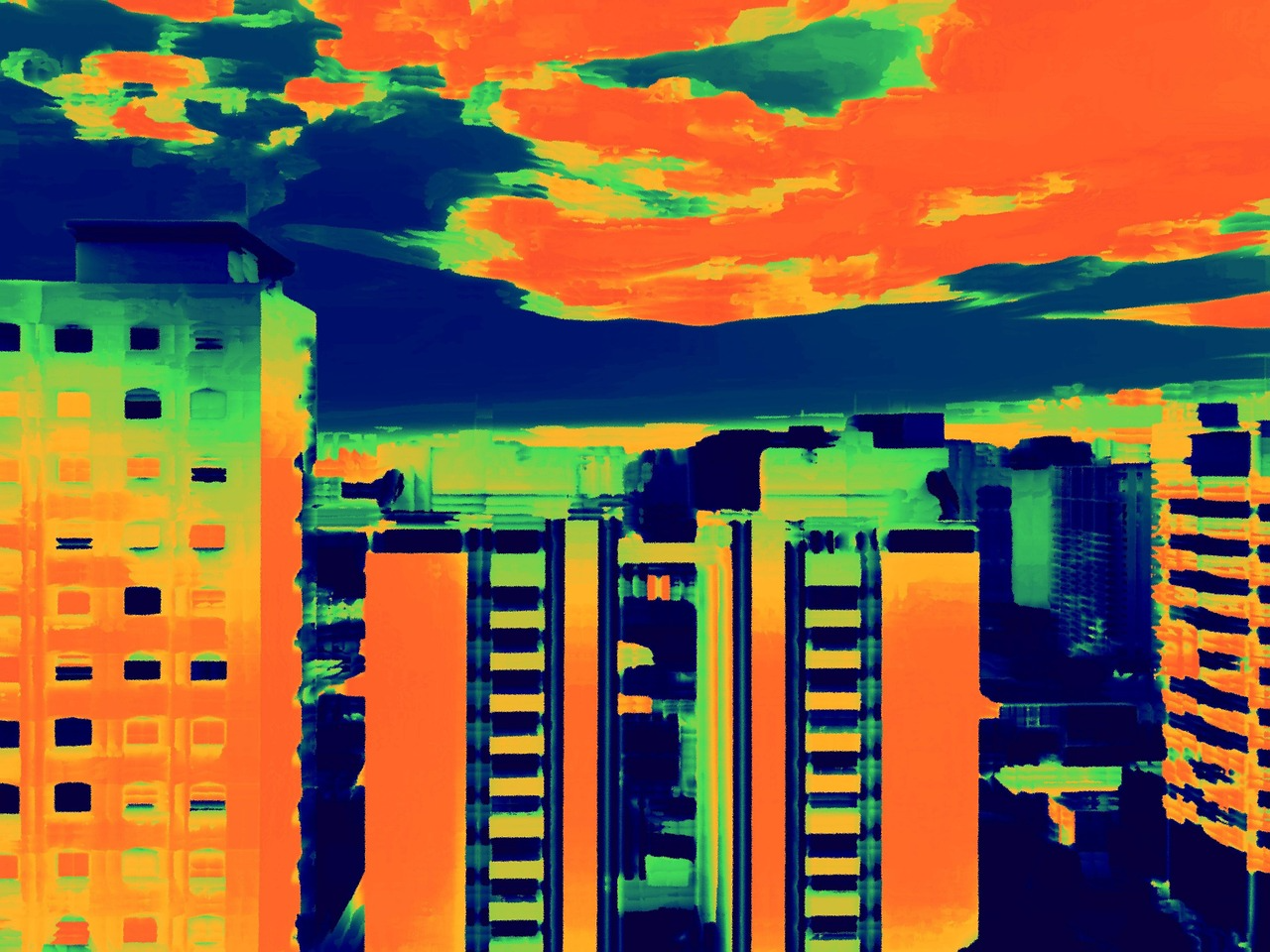
How Can Thermal Imaging Reveal Problems Behind Building Surfaces?
A water stain on a ceiling is the end of a long story. The leak started weeks earlier, wicked into insulation, and traveled before it ever touched paint. By the time you see it, the damage is wide. Thermal imaging promises to shorten that gap by showing temperature patterns on walls, ceilings, and roofs that your eyes cannot. But marketing often oversells it, and many people think the camera sees through walls. So how can thermal imaging reveal problems behind building surfaces, and where does it fall short?
This article explains what the camera actually measures, the conditions that make a scan useful, how to read common patterns, and why a good inspector always confirms what the image suggests. You will find a quick answer, a pattern table, a timing guide, a list of limits, a short buyer checklist, and the mistakes that lead to false alarms. It suits homeowners, buyers, and landlords across the US. Read the quick answer first, then use the sections that fit your situation.
How Can Thermal Imaging Reveal Problems Behind Building Surfaces?
Thermal imaging reveals problems behind building surfaces by showing surface temperature differences caused by what lies underneath. Wet materials, missing insulation, air leaks, and overheating wiring change how a surface heats or cools. The camera measures temperature only, not moisture, mold, structure, or air, so findings are clues that need confirmation.
What the Patterns Can Suggest
| What you see | Possible cause | Confirm with |
|---|---|---|
| A cooler, blob-shaped patch, strongest near a source | Moisture | Moisture meter |
| Streaks or tails along edges | Air leakage | Blower door test or smoke pencil |
| Cold bands between studs | Missing or settled insulation | Opening a small inspection hole |
| Hot spot at an outlet or breaker | Loose connection or overload | Licensed electrician |
| Cold lines along ducts | Missing duct insulation | Direct visual inspection |
Damp areas change temperature more slowly than dry areas and are cooled by evaporation, which is why wet spots stand out.
When Scans Work Best
| Goal | Condition needed |
|---|---|
| Insulation and energy loss | Published standards call for an inside and outside difference of about 18°F for at least three hours |
| Active moisture damage | No large temperature difference is required if the water is evaporating |
| Air leaks | A pressure difference, often created with a blower door |
| Electrical hot spots | Equipment under normal load |
Heating season mornings, before sun warms the walls, often give the clearest images.
What Thermal Imaging Cannot Do
| Limit | Why it matters |
|---|---|
| It cannot see through walls | Marketing that implies it can is misleading |
| It cannot confirm mold | It reads temperature, not biology |
| It struggles on shiny surfaces | Low-emittance metal surfaces may not image accurately |
| It cannot prove moisture alone | All infrared data should be verified by independent means, such as a moisture meter or a visual check |
The Scan-Shape-Confirm-Open Method
- Scan each room systematically in stable conditions.
- Note the shape of every anomaly, plus indoor and outdoor temperatures.
- Confirm with a moisture meter or other direct measurement.
- Open a small inspection hole or use a borescope if the cause is still unclear.
If you want products for repair afterward, such as insulation or sealants, wait until you have confirmed the cause.
Choosing an Inspector
Look for formal thermography certification, such as Infrared Training Center levels or InterNACHI’s infrared program. Ask for a sample report showing thermal and normal photos, temperature readings, and clear recommendations. Be wary of reports that say moisture was “confirmed by infrared” without a meter reading.
Safety Note
Never open an electrical panel yourself. Hot spots on wiring need a licensed electrician. If you suspect mold, hire a qualified professional before disturbing materials.
Mistakes to Avoid
The most common mistake is trusting a single image. Another is scanning at the wrong time, with little temperature difference. Scanning shiny or recently wetted surfaces without context is a third error. Ignoring weather and sun can create false patterns. Finally, don’t treat a thermal image as a diagnosis.
FAQ
Can I use a phone thermal camera?
It can help you spot issues, but it is less sensitive than professional equipment.
Is thermal imaging part of a standard home inspection?
Often it is an add-on. Ask your inspector.
Bottom Line: Treat the Image as a Clue
Thermal imaging reveals problems behind building surfaces by showing where temperature patterns change. Scan under the right conditions, confirm with direct measurements, and use certified professionals. The camera narrows where to look; it does not give the final answer.
For thermal imaging ideas must visit https://tipsbydecoratoradvice.com/

Post Comment