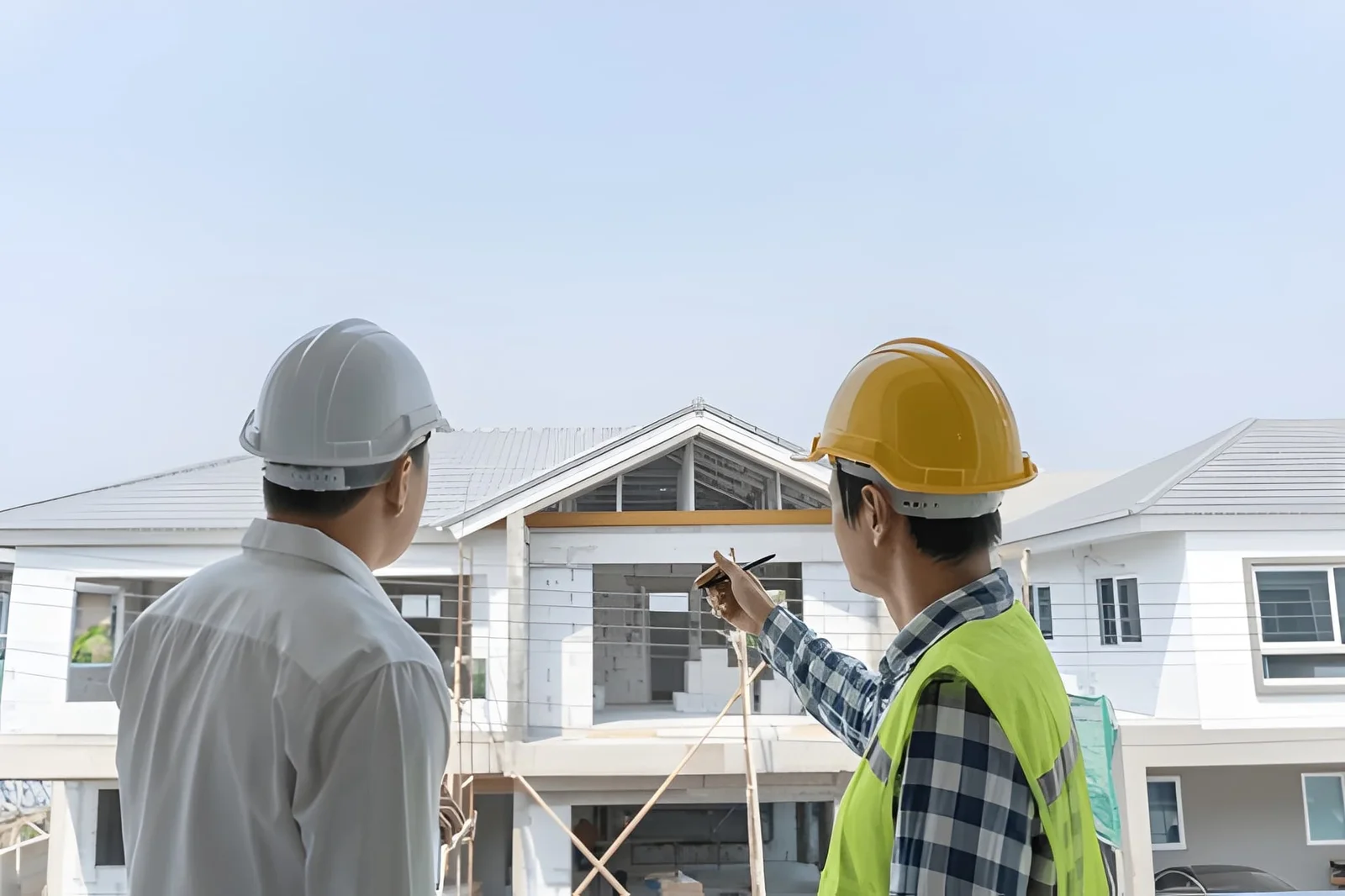
How Do Building Control Inspections Work During Residential Construction?
Many first-time builders think an inspection is a single visit at the end. It is not. Inspectors check the work in stages, and the stage that matters most is the one you are about to hide. Pour concrete over an unapproved footing, close a wall over unchecked wiring, or hang drywall too early, and you may have to tear it out. So how do building control inspections work during residential construction in the United States?
In the US, this process is usually run by the local building department or code enforcement office, and most people call the visits “building inspections.” This article explains the sequence, how to request each visit, what inspectors look for, and what to do if you fail. You will find a quick answer, a stage table, a step-by-step process, a preparation checklist, a mistake list, and a short FAQ. It suits owner-builders, remodelers, and anyone hiring a contractor. Read the quick answer first, then use the sections that fit your project.
How Do Building Control Inspections Work?
Building control inspections check residential work at set stages, before each part is covered. Inspectors verify compliance with safety standards, adopted building codes, and approved plans, and your permit may list extra inspections. You request each visit, wait for approval, then continue. A final inspection happens after completion and before the building is occupied.
Typical Inspection Sequence
Exact lists vary by city and county, and your permit sets the real requirements.
| Stage | What is checked | Timing rule |
|---|---|---|
| Footing and foundation | Depth, width, reinforcement, forms | Before concrete is poured |
| Framing and sheathing | Structural framing, connections, bracing | Before insulation |
| Rough-in (plumbing, electrical, mechanical) | Systems installed inside open walls | After framing, before covering |
| Insulation | Installed correctly, meets energy requirements | Only after framing and rough-ins pass |
| Final | Completed work, safety devices, fixtures | After the trade finals are approved |
The International Residential Code, Section R109, covers the types of inspections, and local governments adopt their own versions.
How Each Inspection Works
- Confirm readiness. The work for that stage must be complete and accessible.
- Request the visit. Many departments want at least 24 to 48 hours of notice, by phone or online portal.
- Be on site or reachable. Some departments ask the contractor or owner to attend the final.
- Receive the result. Typical outcomes are approved, approved with corrections, or failed.
- Fix and reinspect. Correct each item, then request another visit.
- Keep the paperwork. Save the approved cards and reports for your records and for any future sale.
Some offices schedule weekday inspections only, and at least one county handles requests the next business day, so build in a few days.
Pass the First Time: Preparation Checklist
| Task | Why |
|---|---|
| Have approved plans and the permit on site | Inspectors compare work to plans |
| Leave work uncovered and accessible | They cannot approve what they cannot see |
| Complete all work for that stage | Partial work often fails |
| Clear debris, and provide a safe ladder or access | Safety and visibility |
| Label panels, shutoffs, and test points | Speeds up the visit |
| Ask questions before you pour or cover | Local departments often invite questions before concrete or covering work |
Common Reasons for Failed Inspections
| Problem | Typical fix |
|---|---|
| Footing size or rebar differs from plans | Correct before concrete |
| Missing fire blocking or bracing | Add, then reinspect |
| Plumbing or electrical not secured | Fix supports and connections |
| Missing smoke or CO alarms at final | Install and test |
| Work covered before approval | May need to open the wall |
Mistakes to Avoid
The most common mistake is covering work before it is approved. Another is skipping the permit, which can cause fines or trouble at sale. Don’t assume a private home inspector replaces the city inspector. Don’t ignore correction notices either. Finally, do not move in before final approval where required.
FAQ
Can I do the work myself?
Many places allow owner-builders, but you still need the permit and inspections.
What if I fail?
Fix the items listed and request a reinspection. Fees vary.
Bottom Line: Treat Inspections as Checkpoints
Building control inspections during residential construction work best when you plan around them. Request each visit early, keep work open until approved, and keep records. Check with your local building department, since stages and rules vary.
Must visit https://tipsbydecoratoradvice.com/ for building inspection ideas.

Post Comment