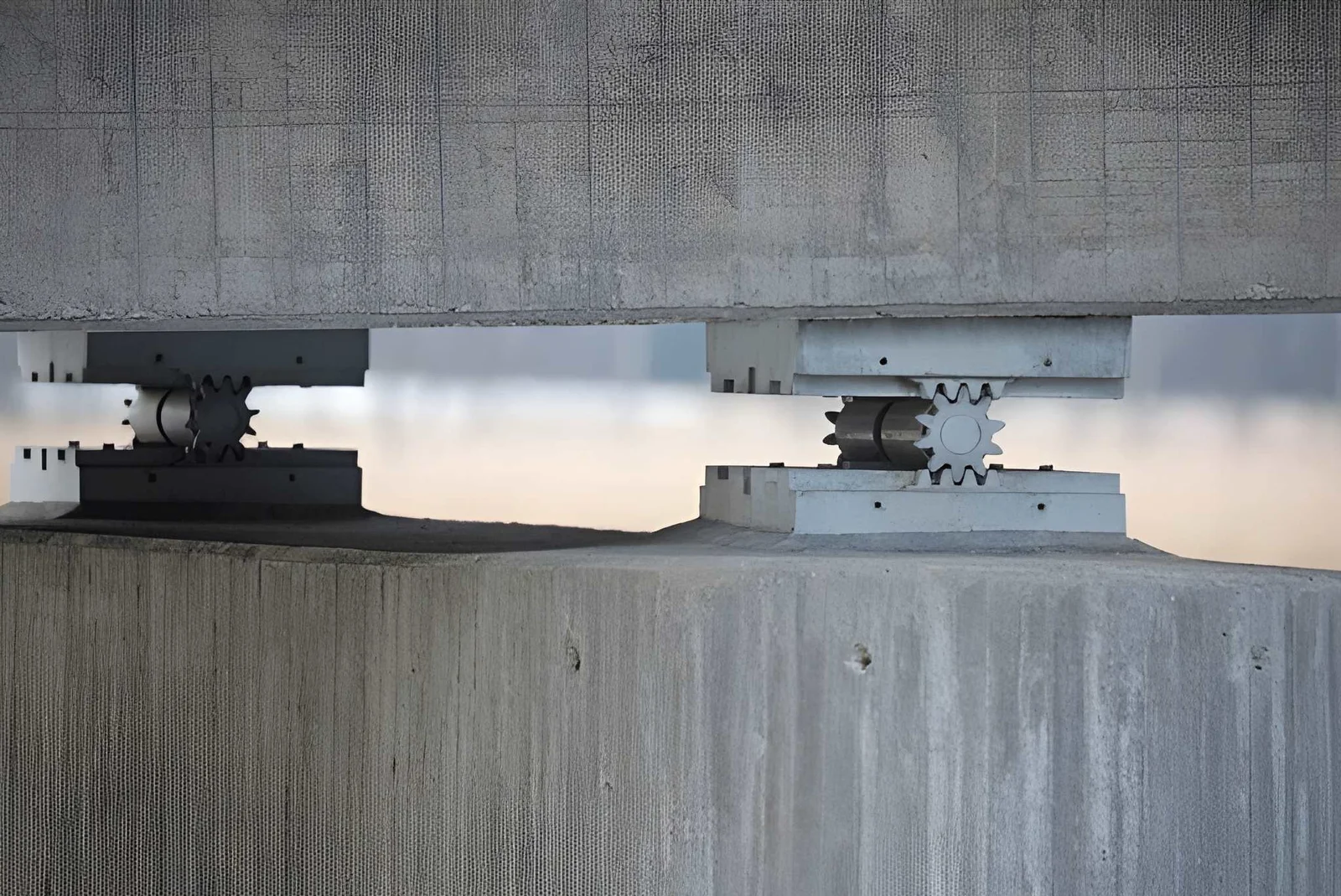
Why Are Expansion Joints Important in Residential Concrete Structures?
Concrete looks permanent, yet it moves all the time. It shrinks as it cures, swells and contracts with temperature, and presses against anything that holds it still. A driveway slab that butts tightly against a garage floor has nowhere to go when the summer sun heats it, so the pressure goes into the concrete. The result is a crack, a heaved corner, or a chipped edge on the house. So why are expansion joints important in residential concrete structures?
They give concrete a safe place to move. A joint is a planned gap that takes the stress, so the slab, the foundation, and the walls do not. This guide explains what expansion joints do, how they differ from control joints, where they belong around a home, and how to spot trouble early. You will find a quick answer, a joint comparison table, a placement guide, a failure-signs table, a maintenance note, and the mistakes that cause cracked flatwork. It suits owners, builders, and anyone planning a driveway, patio, or garage slab. Read the quick answer first, then use the sections that fit your project.
Why Are Expansion Joints Important?
Expansion joints are important because they separate concrete from other fixed elements, so each part can move without pushing on the other. Without them, thermal movement can crack slabs, damage foundations, and break edges. They work alongside control joints, which only guide where shrinkage cracks form.
Joint Types Compared
Many people use “expansion joint” for every joint. The names matter, because each joint does a different job.
| Joint | Depth | Job |
|---|---|---|
| Control joint | About one-quarter of slab thickness, often spaced 10 to 12 feet apart | Directs shrinkage cracks to planned lines |
| Expansion or isolation joint | Full depth, filled with compressible material | Lets slabs move independently |
| Construction joint | Varies | Marks where one pour stops and the next starts |
Note that some sources say expansion joints are more common on large commercial work and often not required for residential slabs, so what your project needs depends on layout and local practice.
Where Expansion Joints Belong at Home
| Location | Why a joint helps |
|---|---|
| Driveway meeting the garage slab | Two slabs move at different rates |
| Slab against the house foundation | Prevents pressure on the wall |
| Around posts, columns, and steps | Fixed objects restrain the slab and concentrate stress |
| Patio meeting a pool deck or walkway | Separate pours need room to move |
| Between large pours | Long slabs gather movement |
The filler should run from the bottom of the slab up to the surface. A partial-depth joint is just a control joint.
Control Joint Spacing
For a typical 4-inch residential slab, common guidance places control joints about 8 to 12 feet apart and keeps panels close to square. Long, skinny panels tend to crack across the narrow side.
Signs Your Joints Are Failing
| Sign | What it may mean |
|---|---|
| Crack running parallel to a wall | Slab pressing on the foundation |
| Chipped or spalled edges at the joint | Joint closed up or filler failed |
| Heaved or lifted slab corner | No room for expansion, or soil movement |
| Gaps with weeds or water | Filler missing or degraded |
| Random cracks between joints | Control joint spacing too wide or too shallow |
Maintenance Tips
Clean debris from joints each spring and fall, and check filler and sealant. Replace damaged material with a product designed for the joint width and your climate. In freezing regions, keeping water out of joints reduces freeze-thaw damage. Never fill a joint with rigid mortar or concrete.
Mistakes to Avoid
The most common mistake is pouring a slab tight against a wall with no isolation material. Another is skipping joints to get a smoother look. Cutting control joints too shallow or too late is a third error, since cracks form first. Don’t ignore small gaps either. Finally, don’t copy a joint layout from a different slab. Thickness, soil, and climate change the plan.
FAQ
Do I need expansion joints in a patio?
Usually where it meets the house or another slab. Ask your contractor to mark joints on the plan.
Can I add joints later?
Control joints can sometimes be cut, but fixing a slab that is already pressing on a wall takes professional advice.
Bottom Line: Expansion Joints Give Concrete Room to Move
Expansion joints are important in residential concrete because they absorb movement that would otherwise crack slabs and stress foundations. Use them where concrete meets fixed structures, pair them with control joints, and maintain the filler. Check with your local building department and a qualified contractor before you pour.
For expansion joint ideas must visit https://tipsbydecoratoradvice.com/

Post Comment