How to Get Your Garden Ready for Fall?
The first cold night usually arrives without warning. Basil turns black, a hose left outside splits at the joint, and the tender pots you meant to move are suddenly at risk. Fall feels like the garden winding down, but it is really the most useful month of the gardening year. Soil is still warm, rain returns, and the work you do now decides how the garden looks next spring. So how can you get your garden ready for fall?
The answer depends on one date: your average first frost. Count backward from it and the jobs fall into a sensible order instead of one exhausting weekend. This article gives you that order. You will find a quick answer, a countdown table, a plant-or-wait guide, a cleanup guide that protects wildlife, a short safety note, and the mistakes that cost gardeners plants. It suits beds, lawns, containers, and vegetable plots in cold and mild climates. Read the quick answer first, then use the sections that fit your garden.
How Do You Get Your Garden Ready for Fall?
To get your garden ready for fall, find your average first frost date, then work backward. Plant bulbs, perennials, and shrubs while soil is warm, feed and overseed the lawn early, protect tender plants before frost, and mulch once the ground cools. Clean up selectively, since some debris shelters wildlife.
The Frost-Date Countdown
Look up your local average first frost, which your regional extension service or weather service can supply.
| Time before first frost | Priority tasks |
|---|---|
| 6 to 8 weeks | Overseed and feed the lawn, divide perennials, plant shrubs and trees |
| 3 to 4 weeks | Plant spring bulbs once soil cools, sow cool-season crops, test soil |
| 1 to 2 weeks | Move tender pots indoors, harvest tender crops, drain and store hoses |
| Frost forecast | Cover remaining plants, bring in houseplants, drain irrigation lines |
| After a hard frost | Mulch beds, cut back spent plants, clean and store tools |
Plant Now or Wait?
| Plant | Fall action | Why |
|---|---|---|
| Spring bulbs | Plant when soil cools | Roots form before winter |
| Trees and shrubs | Plant early fall | Warm soil, cooler air |
| Perennials | Divide or plant early | Time to establish |
| Lawn | Overseed early | Seed germinates in warm soil |
| Tender annuals | Remove after frost | They will not survive |
| Spring-flowering shrubs | Prune after they bloom | Buds form in summer and fall |
If you want to be sure what your soil needs, a basic soil test costs little and shows nutrient and pH gaps before you add anything.
Clean Up, but Not Too Much
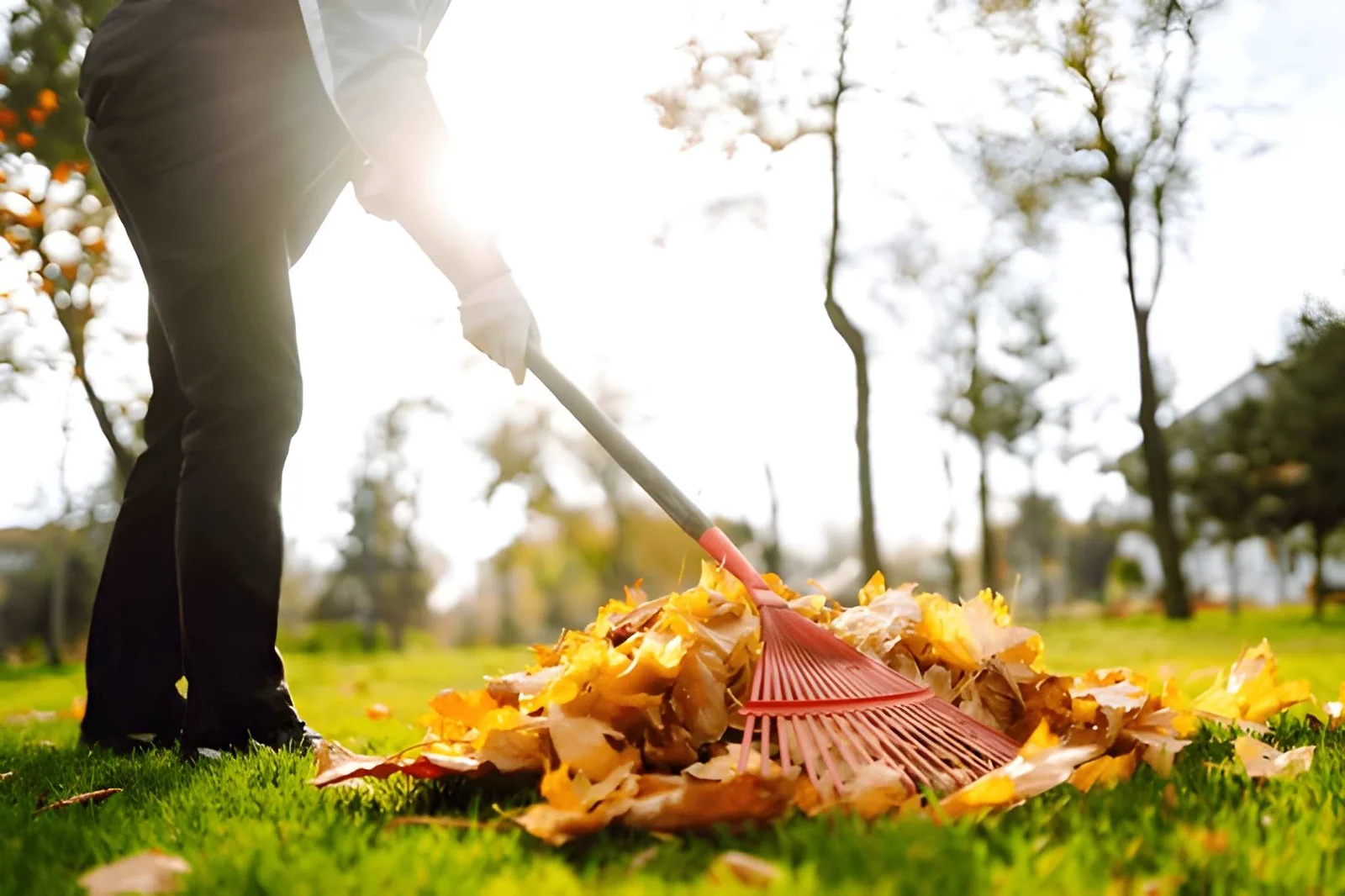
A tidy garden is not always a healthy one. Remove diseased foliage and weeds, and put diseased material in the trash, not the compost. Leave sturdy stems and seed heads standing where you can, since insects overwinter inside them and birds feed on the seeds. Rake leaves off the lawn, then use them as mulch or compost on beds. Spread about 2 to 3 inches of mulch around plants, keeping it off the stems.
Safety Note
Wear gloves, and use a sturdy ladder on level ground for tree work. Call a qualified arborist for large branches or anything near power lines. Store fertilizer, chemicals, and fuel out of reach of children and pets.
Mistakes to Avoid
The most common mistake is cutting everything to the ground, which removes habitat and can expose crowns to cold. Another is heavy pruning too late, which pushes tender new growth that frost kills. Piling mulch against trunks invites rot and rodents. Forgetting to drain hoses and taps risks split pipes. Finally, watering stops too soon. Evergreens and new plantings need deep watering until the ground freezes.
FAQ
When should I start getting my garden ready for fall?
Start about six to eight weeks before your first frost date.
Can I plant in fall in a warm climate?
Yes. Fall is often the best planting season, since roots grow in mild weather.
Should I fertilize in fall?
Lawns often benefit from an early-fall feeding. Avoid feeding woody plants late, and follow soil test results.
Bottom Line
To get your garden ready for fall, plant while soil is warm, protect tender plants before frost, and clean up with restraint. Match each task to your first frost date, and let a short, ordered plan do the work. Your spring garden will thank you.
Must visit https://tipsbydecoratoradvice.com/https-decoratoradvice-com/ for garden fall ideas.

Post Comment