How to Maintain Your Lawn During Dry Weather?
Brown patches appear first along the driveway, then the whole lawn turns the color of straw. Many people panic and soak it every evening, which wastes water and often makes the lawn weaker. Others do nothing, then find the grass has died instead of resting. The difference comes down to one decision most guides skip: do you want to keep the lawn green, or let it sleep? So how can you maintain your lawn during dry weather?
Grass has a built-in survival mode called dormancy. A dormant lawn looks dead but is alive at the crown, and it can recover when rain returns. The right care depends on which path you choose. This article explains both and shows how to measure your watering, adjust your mowing, and protect the lawn from damage while it is stressed. You will find a quick answer, a decision table, a watering guide, a mowing and care chart, and the mistakes that kill grass. It suits most home lawns, though grass types and local rules vary. Read the quick answer first, then use the sections that fit your lawn.
How Do You Maintain Your Lawn During Dry Weather?
To maintain your lawn during dry weather, water deeply and rarely, early in the morning, and mow higher than usual. Skip fertilizer and heavy foot traffic. If water is limited or restricted, let the lawn go dormant, then give it a small drink every few weeks to keep the crowns alive.
Keep It Green or Let It Sleep?
| Choice | Best when | Effort | Watch for |
|---|---|---|---|
| Keep green | Water is available and allowed | Regular deep watering | Higher water use, local restrictions |
| Dormancy | Water is limited or restricted | Occasional light watering | Weeds, foot traffic damage |
Whichever you pick, stay consistent. Switching back and forth stresses the grass more than either option.
Water Smarter
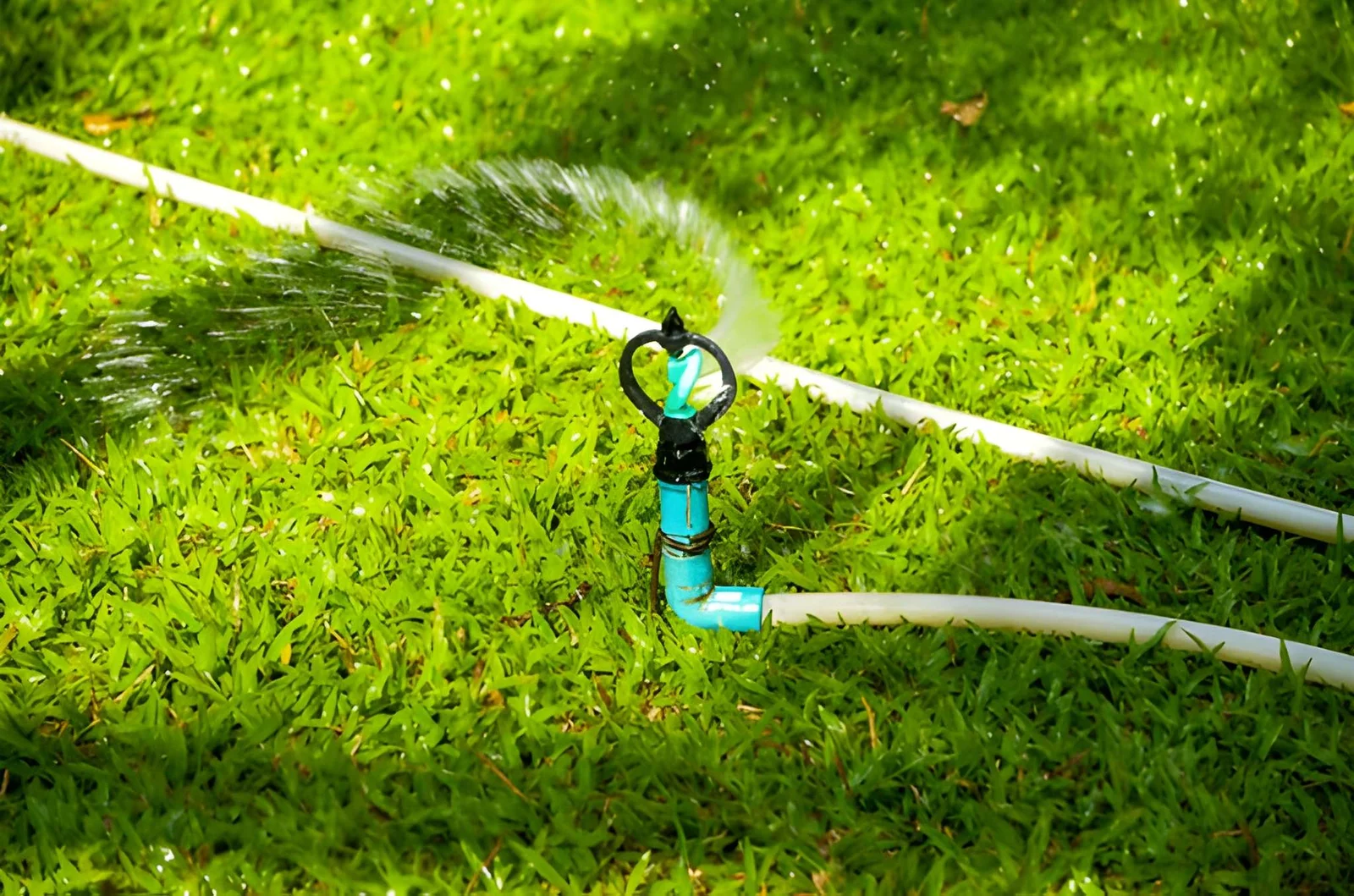
Measure instead of guessing. Place a few empty tuna cans on the lawn, run the sprinkler, and time how long it takes to collect about an inch. That tells you the run time for one deep watering.
| Situation | Guideline |
|---|---|
| Keeping green | About 1 inch of water per week, in one or two sessions |
| Dormant lawn | Roughly a quarter inch every two to three weeks, as extension services often advise |
| Best time | Early morning, to limit evaporation |
| Sprinkler check | Fix gaps so water lands on grass, not pavement |
These are common guidelines. Grass type, soil, and climate change the numbers, so check advice from your local extension service and any watering rules.
Mowing and Care Chart
| Task | What to do | Why |
|---|---|---|
| Mowing height | Raise the blade, often to 3 to 4 inches for cool-season grass | Taller grass shades soil and roots |
| Frequency | Mow less, never take more than a third of the blade | Reduces stress |
| Clippings | Leave them on the lawn | Returns moisture and nutrients |
| Fertilizer | Skip during drought | Pushes growth the grass cannot support |
| Traffic | Keep it light | Dry grass snaps and thins |
| Blades | Sharpen them | Clean cuts lose less water |
Signs Your Lawn Needs Help
Step on the grass. If the blades spring back, it still has moisture. If your footprints stay flat, it needs water. A lawn that is brown but whose crowns are firm and pale usually recovers. A lawn that pulls up like loose carpet may have died or be infested with grubs.
Mistakes to Avoid
The most common mistake is light daily watering, which keeps roots shallow. Another is watering at midday, when much of it evaporates. Cutting grass short is a third error, as it exposes soil and roots to heat. Fertilizing a stressed lawn can burn it. Finally, don’t ignore local rules. Many areas restrict outdoor watering in dry spells.
FAQ
How long can a lawn survive without water?
Many lawns can stay dormant for a few weeks and recover. The time depends on grass type and temperature.
Should I overseed during a drought?
Wait until cooler, wetter weather, when seed can establish.
Bottom Line: Maintain Your Lawn During Dry Weather With a Plan
To maintain your lawn during dry weather, decide between green and dormant, water deeply when you do water, mow high, and avoid fertilizer and traffic. Measure with the tuna can test, and follow local rules. Most lawns bounce back when you protect the crowns.
For maintaining lawn ideas must visit https://tipsbydecoratoradvice.com/

Post Comment