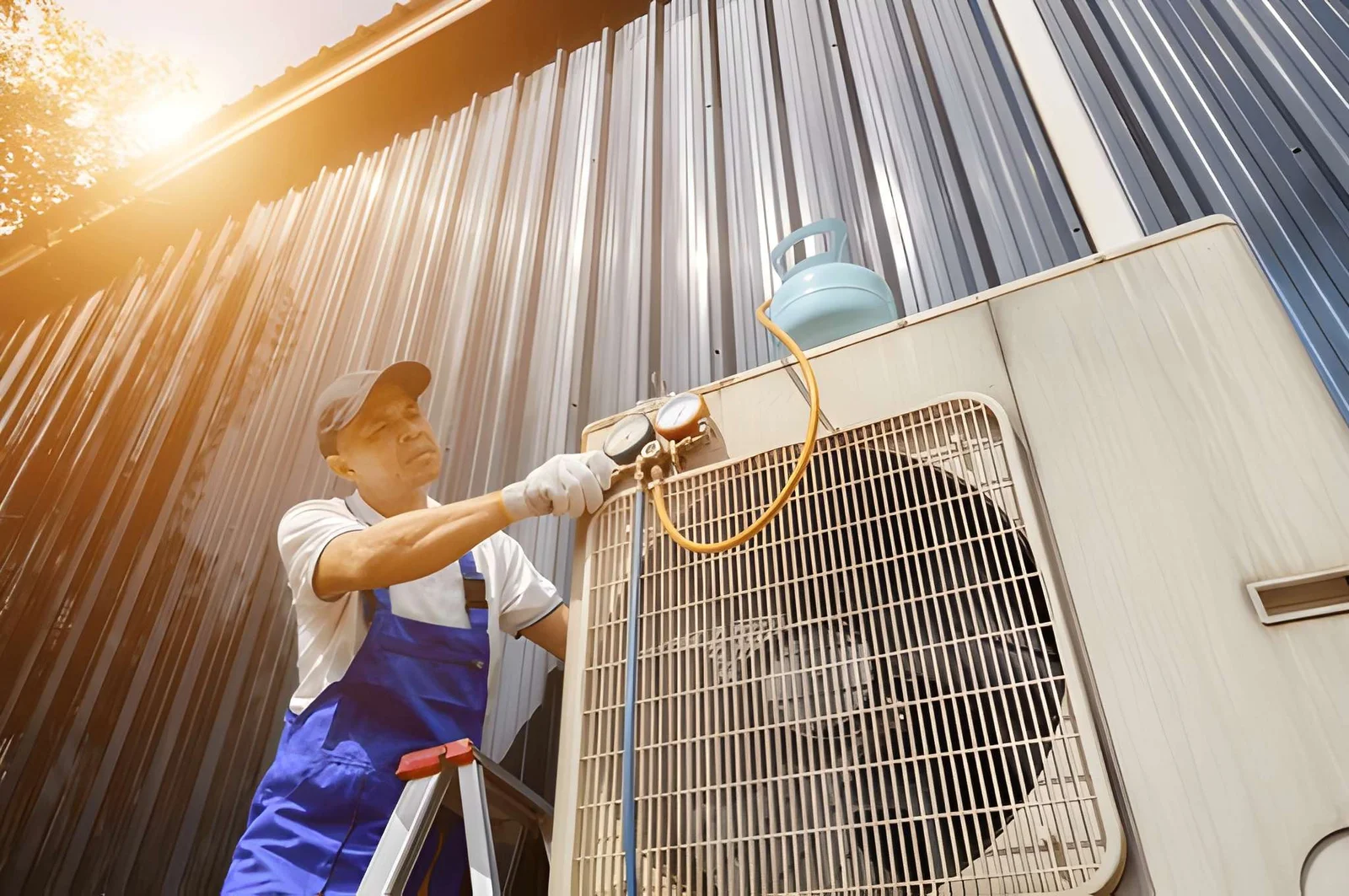
When Should You Service Your Heating and Cooling Systems?
Heating and cooling systems fail at the worst possible time. The furnace dies during the first hard freeze, or the air conditioner quits in a heat wave, and every technician in town is booked for a week. The cruel part is that most of these failures give warnings months earlier. A dirty filter, a weak airflow, or a strange noise in the shoulder season is easy to ignore when the house is comfortable. So when should you service your heating and cooling systems?
The short answer is before you need them, not after they break. Each system has a best window, and a few signs mean you should not wait. This article gives you the timing, the checklist, and the red flags. You will find a quick answer, a timing table, a split between what you can do and what needs a professional, a warning-signs list, a safety note, and the mistakes that cost the most. It suits houses and apartments with central, ducted, or heat pump systems. Read the quick answer first, then use the sections that fit your home.
When Should You Service Your Heating and Cooling Systems?
Service your heating system in early fall, before the first cold weather, and your cooling system in spring, before the first hot spell. Heat pumps, which do both jobs, benefit from a check twice a year. Book early, since technicians fill up fast. Replace filters between visits.
Timing by System
| System | Best service window | Why |
|---|---|---|
| Furnace or boiler | Early fall | Catches faults before heavy use |
| Air conditioner | Mid to late spring | Ready before the first heat wave |
| Heat pump | Spring and fall | Works year-round |
| Ductless mini-split | Spring, plus filter cleaning during use | Filters clog quickly |
| Wood or gas fireplace | Before first use each season | Safety and venting |
What You Can Do and What Needs a Professional
| Task | DIY? | Frequency |
|---|---|---|
| Replace or clean air filters | Yes | Every one to three months in heavy use |
| Clear leaves and debris from outdoor units | Yes | Seasonally |
| Check vents are not blocked | Yes | Each season |
| Test thermostat and batteries | Yes | Twice a year |
| Inspect heat exchanger and burners | No | Annually |
| Check refrigerant, coils, and electrical parts | No | Annually |
| Test for carbon monoxide leaks | No | Annually for fuel-burning systems |
Never open sealed parts or handle refrigerant without proper qualification, and keep gas appliance work with licensed technicians.
Signs You Should Not Wait
| Warning sign | What it may mean |
|---|---|
| Weak airflow | Clogged filter, blocked duct, or fan trouble |
| Strange noises | Worn parts or loose components |
| Uneven rooms | Duct problems or an undersized system |
| Rising bills with no change in use | Reduced efficiency |
| Frequent cycling on and off | Control or sizing problem |
| Odd smells or visible leaks | Mechanical fault, call promptly |
Safety Note
If you smell gas, leave the house and call your gas company or emergency number from outside. Install carbon monoxide alarms near sleeping areas, test them regularly, and replace them when they expire. A fuel-burning appliance should be checked annually.
Mistakes to Avoid
The most common mistake is waiting for the first cold or hot day to call, when waiting lists are longest. Another is skipping filter changes, which strains the system and cuts airflow. Ignoring small noises is a third error. Using the wrong filter size or rating can also restrict airflow, so follow the manufacturer’s guidance. Finally, check your warranty, because some require regular professional servicing to stay valid.
FAQ
How often should I service my heating and cooling systems?
Most systems benefit from at least one professional check a year, and heat pumps from two.
Is servicing worth it on a new system?
Yes. It protects warranty terms and catches installation issues early.
Bottom Line: Service Before the Season, Not During It
Service your heating and cooling systems in the shoulder seasons, early fall for heat and spring for cooling. Change filters between visits, watch for warning signs, and keep carbon monoxide alarms working. A booked appointment now is far cheaper than an emergency call later.
Must visit https://tipsbydecoratoradvice.com/ for heating and cooling system services.

Post Comment