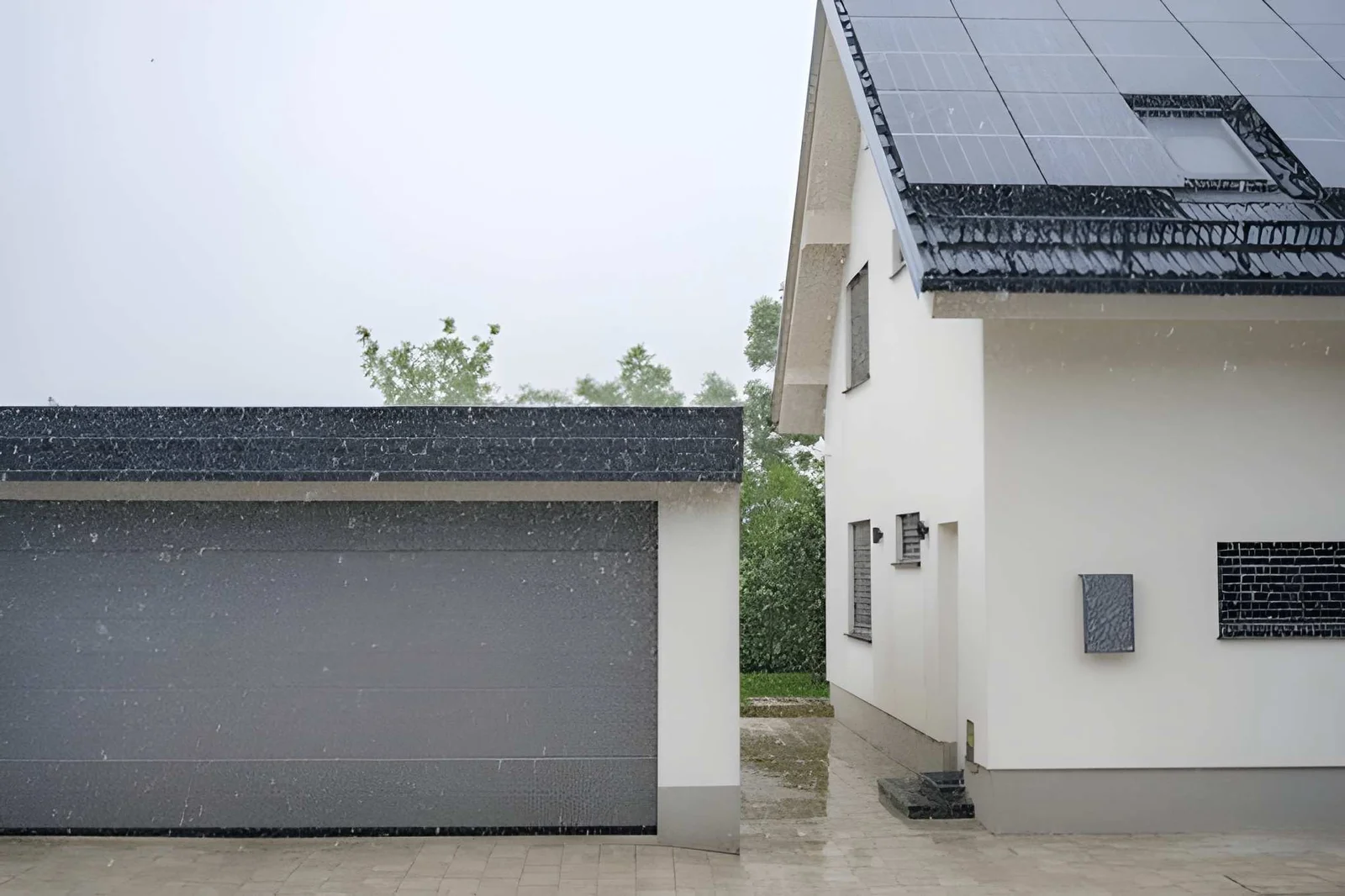
How Can You Protect Your Home During Heavy Rain?
Heavy rain rarely announces how much damage it will do. Most homes cope with an ordinary shower. Then a storm drops a lot of water in an hour, and it finds every weak spot: a clogged gutter overflowing at the wall, a downspout emptying beside the foundation, a window seal that failed quietly last year. By the time a stain appears on the ceiling, the water has been working for a while. So how can you protect your home during heavy rain?
The good news is that most protection happens before the storm. A few checks of the roof, gutters, drainage, and openings catch the usual failures, and a short plan for the day itself keeps people safe. This article gives you a practical order of work. You will find a quick answer, a table of weak spots, a pre-storm checklist, a storm-day plan, an after-storm check, and the mistakes that make water damage worse. It suits houses and apartments. Read the quick answer first, then use the sections that fit your home.
How Do You Protect Your Home During Heavy Rain?
To protect your home during heavy rain, clear gutters and downspouts, check the roof and window seals, make sure water drains away from the foundation, and move valuables off low floors. On the day, avoid floodwater and electrical hazards, and follow local warnings.
Where Water Gets In
| Weak spot | What goes wrong | Quick check |
|---|---|---|
| Gutters and downspouts | Blockages cause overflow at the wall | Clear leaves, check joints |
| Roof | Missing or lifted tiles, failed flashing | Look from the ground or ask a roofer |
| Windows and doors | Worn seals let rain in | Look for gaps, stains, drafts |
| Foundation and ground | Water pools against walls | Ground should slope away |
| Basement and vents | Water enters through low openings | Check air bricks, wells, drains |
| Walls | Cracks or damaged render absorb water | Look for damp patches |
Protect Your Home During Heavy Rain: Before the Storm
| Task | Why |
|---|---|
| Clean gutters and test downspouts | Stops overflow and wall damage |
| Extend downspouts away from the house | Keeps water off the foundation |
| Reseal gaps around windows and doors | Blocks leaks |
| Clear outdoor drains and gullies | Lets water escape |
| Raise valuables and electronics | Reduces loss if water enters |
| Check sump pump and backup power | Pumps need power to work |
| Photograph rooms and note insurance details | Helps with claims later |
Roof work is dangerous. Hire a qualified roofer instead of climbing up yourself.
On the Day
- Follow local warnings. Evacuate if authorities tell you to.
- Stay out of floodwater. It can hide debris and carry contamination.
- Avoid electrical risk. If water reaches outlets or appliances, switch off power at the main only if you can do so safely and dry. Otherwise, call the utility or an electrician.
- Use sandbags to divert, not seal. Place them to guide water away from doors.
- Keep a kit ready. Torch, charged phone, documents, medication, and water.
After the Storm
| Check | Action |
|---|---|
| Ceilings and walls | Look for stains, bulges, or drips |
| Roof and gutters | Note damage, arrange repairs |
| Basement or crawl space | Pump out slowly, ventilate |
| Electrics | Have wet systems checked before use |
| Mold | Dry within a day or two, clean small patches carefully |
| Records | Photograph damage and contact your insurer |
Mistakes to Avoid
The most common mistake is waiting until the storm arrives. Another is ignoring small gutter problems, since a minor blockage becomes an overflow in heavy rain. Pointing downspouts at the foundation also causes trouble. Don’t try to seal a door with plastic and tape and expect it to hold. Finally, never wade through floodwater to check on belongings.
FAQ
Does home insurance cover heavy rain damage?
Cover varies by policy and by cause, such as flood versus storm. Read yours before storm season.
How often should I clean gutters?
At least twice a year, and after storms or leaf fall.
Bottom Line
To protect your home during heavy rain, fix the weak spots early, direct water away from the walls, and plan for safety on the day. Document your property and know your insurance. Preparation is far cheaper than repair.
Must visit https://tipsbydecoratoradvice.com/https-decoratoradvice-com/ for protection ideas during heavy rain.

Post Comment